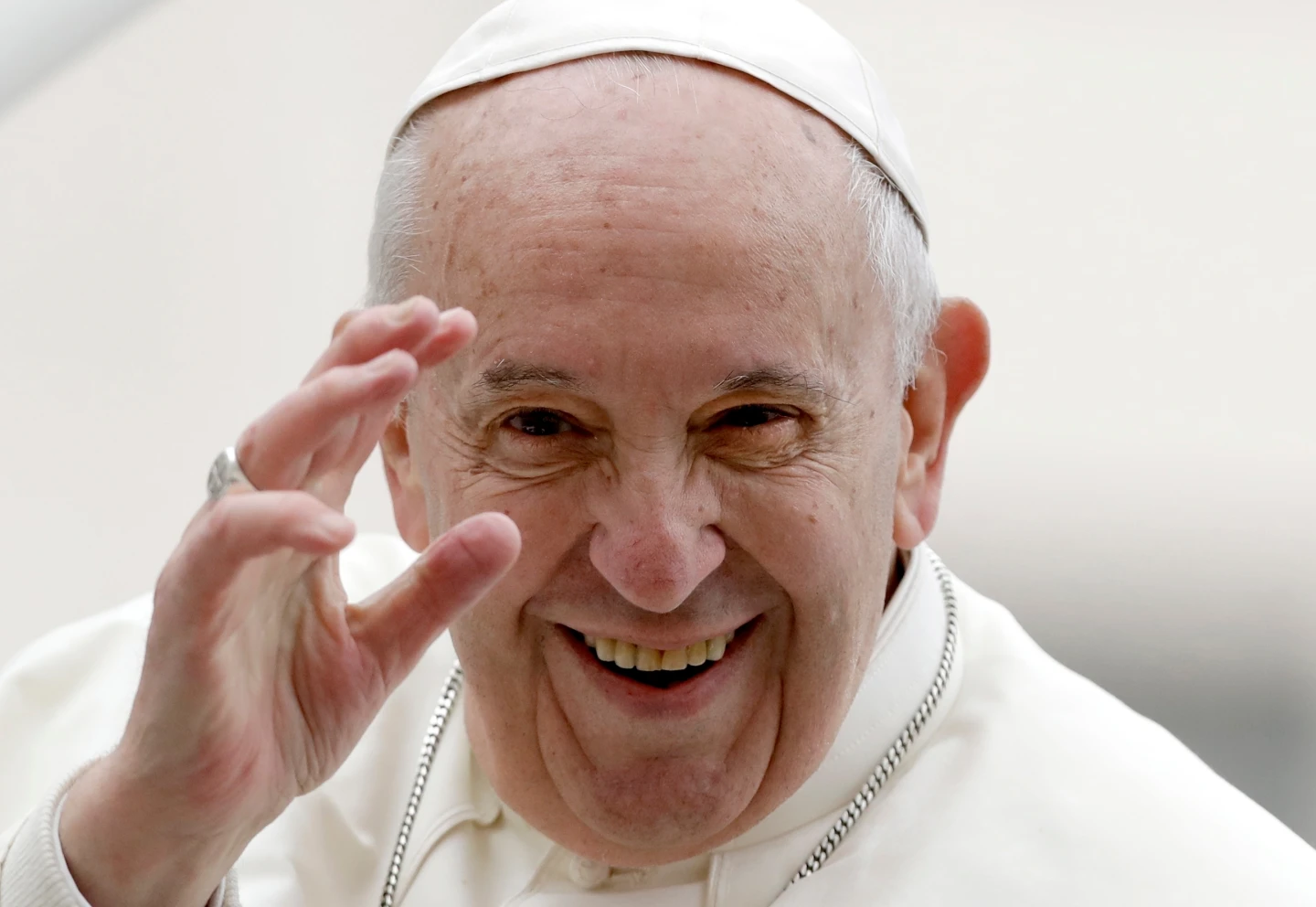
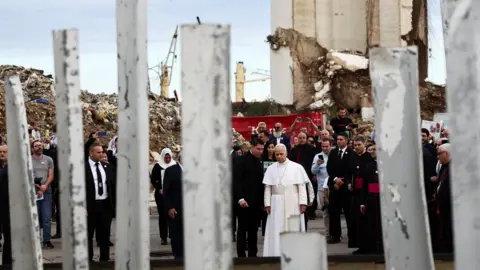
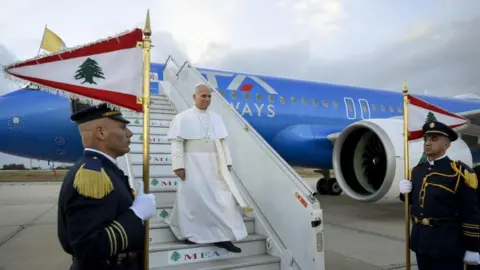
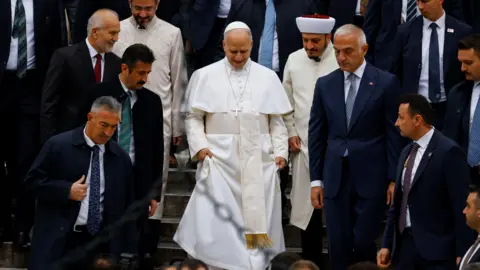
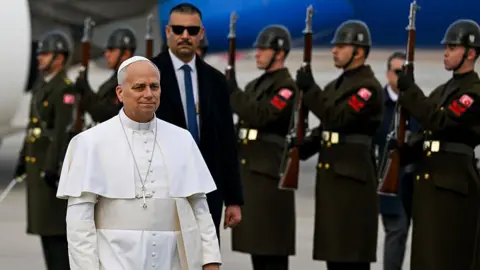
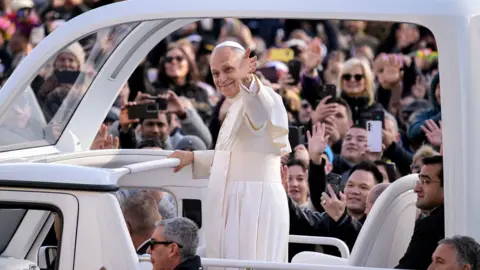
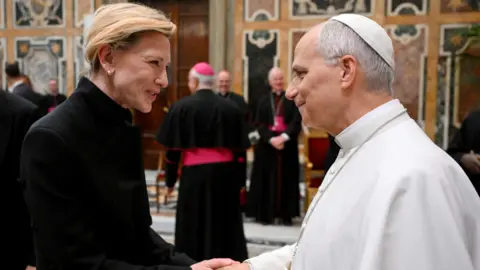
Pope Leo XIV, the first papal figure hailing from the United States, conducted his inaugural Mass in the Sistine Chapel on Friday, resonating with the essence of community and solidarity with "ordinary people." He expressed a fervent commitment to combat social injustices, focusing on the needs of the marginalized, including the poor and migrants, and emphasized the church's mission to mend societal wounds through outreach.
The election of Cardinal Robert Francis Prevost, originating from Chicago, marks a pivotal point for American representation within the Roman Catholic Church, yet many cardinal electors underscored his extensive history of service in Peru and influential roles within Vatican offices as more significant than his American heritage. Cardinal Robert McElroy, the new archbishop of Washington, D.C., indicated that discussions surrounding Cardinal Prevost's nationality were minimal, stressing that the conclave sought to amplify the Christian faith rather than replicate American electoral dynamics.
Supporters and cardinals alike see in Pope Leo XIV a continuation of the social principles championed by his predecessor, Pope Francis. Although noted as less flamboyant and charismatic, Leo XIV projects a strong determination towards fostering a "synodal" church, encouraging more input from laypeople. This approach aims at not only enriching spiritual life but actively involving parishioners in a shared journey toward healing and reconciliation within the Catholic community. Advocates hope his papacy will maintain the momentum for social advocacy while nurturing a sense of belonging among believers worldwide.
The election of Cardinal Robert Francis Prevost, originating from Chicago, marks a pivotal point for American representation within the Roman Catholic Church, yet many cardinal electors underscored his extensive history of service in Peru and influential roles within Vatican offices as more significant than his American heritage. Cardinal Robert McElroy, the new archbishop of Washington, D.C., indicated that discussions surrounding Cardinal Prevost's nationality were minimal, stressing that the conclave sought to amplify the Christian faith rather than replicate American electoral dynamics.
Supporters and cardinals alike see in Pope Leo XIV a continuation of the social principles championed by his predecessor, Pope Francis. Although noted as less flamboyant and charismatic, Leo XIV projects a strong determination towards fostering a "synodal" church, encouraging more input from laypeople. This approach aims at not only enriching spiritual life but actively involving parishioners in a shared journey toward healing and reconciliation within the Catholic community. Advocates hope his papacy will maintain the momentum for social advocacy while nurturing a sense of belonging among believers worldwide.