A coalition of European nations has reiterated the importance of including Ukraine in peace talks with Russia. This unified stance comes amidst upcoming meetings between US President Donald Trump and Russian President Vladimir Putin, with Ukrainian President Volodymyr Zelensky emphasizing that any agreements made without Ukraine are inherently detrimental to peace efforts.
European Allies Unite for Ukraine: Emphasizing Inclusion in Peace Talks
European Allies Unite for Ukraine: Emphasizing Inclusion in Peace Talks
European leaders assert that any discussions regarding peace with Russia must include Ukraine, rejecting negotiations that sideline Kyiv.
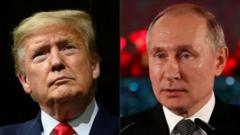
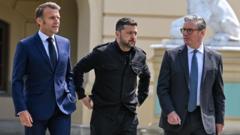
The wave of support for Ukraine from European allies comes as they stress the necessity for Kyiv's involvement in potential peace negotiations with Russia. A joint statement from leaders in the UK, France, Italy, Germany, Poland, Finland, and the European Commission was released prior to President Trump's scheduled summit with President Putin in Alaska. It underscores that "international borders must not be changed by force" and that Ukraine will always have the freedom to determine its own future.
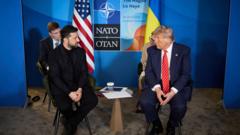
Zelensky has made it clear that any agreements made without Ukraine's input would essentially be “dead decisions.” While Trump has suggested the possibility of a trilateral meeting that would include Zelensky, he has also expressed intentions to initially meet with Putin alone, raising concerns over the transparency and inclusiveness of the discussions.
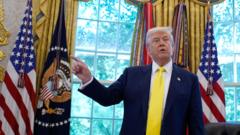
In response to Trump's comments about potential territorial compromises to achieve peace, Zelensky reiterated the necessity of fair terms, firmly rejecting any notion of rewarding Russia for its wartime actions. He advocates for a legitimate resolution that respects Ukraine's sovereignty and emphasizes the importance of European security as intertwined with Ukraine's situation.
European leaders are acutely aware of their diminishing influence in shaping the outcomes of US-Russia negotiations. French President Emmanuel Macron voiced the necessity for European representation in discussions, aligning with Zelensky’s perspective that the end of the war should be just and secure for all involved parties.
On the diplomatic front, US Vice-President JD Vance recently held discussions in the UK with key Ukrainian aides, further emphasizing that any successful and lasting peace agreement must prioritize Ukrainian involvement. As the complex dynamics of the conflict continue, European nations remain steadfast in their military, diplomatic, and financial support for Ukraine, symbolizing a united front against aggression.
Zelensky has made it clear that any agreements made without Ukraine's input would essentially be “dead decisions.” While Trump has suggested the possibility of a trilateral meeting that would include Zelensky, he has also expressed intentions to initially meet with Putin alone, raising concerns over the transparency and inclusiveness of the discussions.
In response to Trump's comments about potential territorial compromises to achieve peace, Zelensky reiterated the necessity of fair terms, firmly rejecting any notion of rewarding Russia for its wartime actions. He advocates for a legitimate resolution that respects Ukraine's sovereignty and emphasizes the importance of European security as intertwined with Ukraine's situation.
European leaders are acutely aware of their diminishing influence in shaping the outcomes of US-Russia negotiations. French President Emmanuel Macron voiced the necessity for European representation in discussions, aligning with Zelensky’s perspective that the end of the war should be just and secure for all involved parties.
On the diplomatic front, US Vice-President JD Vance recently held discussions in the UK with key Ukrainian aides, further emphasizing that any successful and lasting peace agreement must prioritize Ukrainian involvement. As the complex dynamics of the conflict continue, European nations remain steadfast in their military, diplomatic, and financial support for Ukraine, symbolizing a united front against aggression.