
In brief
Air quality in Delhi has reached alarming levels, with pollution soaring to "very poor" and "severe" categories, prompting urgent concerns from health experts.
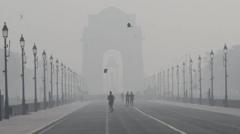
The capital city of India is grappling with hazardous air quality, categorized as "very poor" and even "severe" in recent days, according to pollution data. Last week, levels of fine particulate matter (PM 2.5) soared to 25-30 times higher than the World Health Organization's (WHO) recommended limits in various locations. Experts predict a further deterioration in air quality due to adverse weather conditions, the burning of crop residues in nearby states, and the use of firecrackers during the upcoming Diwali festival.Every winter, Delhi along with several northern Indian cities experiences extreme air pollution, leading to the closure of schools and businesses alike. On Monday, PM 2.5 levels reached alarming heights of 350 micrograms per cubic metre in certain areas. The air is classified as "very poor" when PM 2.5 readings hover between 300 and 400, while readings above 400 are termed "severe."A variety of factors contribute to the smog that envelops Delhi every year, including smoke from crop stubble burning by farmers in Punjab and Haryana, vehicular emissions, dust, and low wind speed. Farmers argue they need better financial and technical support to find alternatives to crop burning, but existing government initiatives have fallen short. With Diwali approaching, the smoke from firecrackers exacerbates the pollution crisis. Although the Delhi government has imposed a ban on the manufacture, storage, and sale of fireworks, similar bans in previous years have proven ineffective as people find ways to acquire fireworks from other regions. Efforts to combat the situation have included the implementation of the Graded Response Action Plan (GRAP), which prohibits the use of coal, firewood, and diesel generators for non-emergency purposes.In a bid to improve air quality, authorities have advised residents to limit outdoor activities, curb construction operations, and utilize public transportation to minimize vehicle emissions. The Delhi government has also deployed water tankers on roads to address the dust issue. With public health at stake, residents are urged to remain vigilant and take precautionary measures against the severe pollution levels plaguing their city.


