
In brief
The South African government's aggressive measures against illegal gold mining have led to a humanitarian crisis as around 4,000 miners remain trapped underground with limited access to food and water. While authorities aim to apprehend the miners, the conditions have drawn criticism and raised questions about human rights.
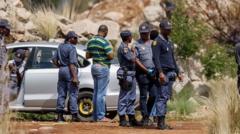
In a bold move to crack down on illegal mining, the South African government has implemented a severe measure that has resulted in an estimated 4,000 gold miners hiding underground in Stilfontein, North West province, facing a food and water blockade. Known as "zama zama" – meaning "take a chance" in Zulu – these illegal miners have been evading law enforcement for about a month, complicating authorities’ attempts to manage the situation. The government’s strategy aims to compel the miners to resurface and face arrest, with around 1,000 already apprehended.The reasons behind their illegal activities are multi-fold, including the dire economic conditions that push many undocumented individuals from neighboring countries, like Lesotho and Mozambique, to seek survival in abandoned mines. Local mining jobs have diminished, leaving many vulnerable, and the black market for gold provides a desperate means for these miners to support their families. Reports indicate that some miners can spend months underground, where a small economy has developed, providing food and basic supplies.Community pressure for the authorities to provide aid has continued to grow. However, Minister in the Presidency Khumbudzo Ntshavheni firmly stated, "We are not sending help to criminals," emphasizing a tough stance against illegal operations with the initiative dubbed Vala Umgodi, or "Close the Hole." This unyielding approach has garnered mixed reactions from the public, as some citizens voiced support for the government's decisive measures, while others expressed concern for the miners’ human rights and essential needs.Conditions underground have become increasingly perilous, and organizations like the South African Human Rights Commission are stepping in to investigate claims regarding the deprivation of basic necessities. Community members like Thembile Botman have reported terrifying experiences during recent rescue attempts, revealing the stark realities faced by those caught in the crossfire of law enforcement and desperation.While the government strives to combat the burgeoning illegal mining sector, which is estimated to cost South Africa millions annually, there are fears that their tactics could lead to a grave humanitarian crisis. With many miners fearing for their safety, the question arises: what are the ethical implications of poverty-driven illegal mining in a country still grappling with socio-economic issues?



