
In brief
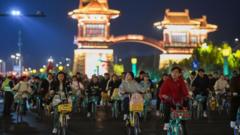
A fun-filled quest for dumplings initially celebrated by local authorities spiraled into chaos as an overwhelming number of cyclists descended upon Kaifeng, leading to gridlock along major roads and public backlash.
Article Text:In a surprising turn of events, a social media initiative aimed at boosting local tourism in Kaifeng metamorphosed into a major traffic incident, as thousands of cyclists rode through the night from Zhengzhou in search of soup dumplings. The viral trend, encouraged by local state media, initially saw the prospect of rejuvenating Kaifeng's economy, but it quickly became the source of frustration for many as the roads became choked with cyclists.What started in June as a spontaneous adventure by four university students aiming to sample guantangbao—traditional soup dumplings—soon escalated into a much larger movement. The idea of a “Night Ride to Kaifeng” captured the attention of many young individuals from Zhengzhou, leading to a massive participation that left major highways blocked and police scrambling to manage the situation.Authorities had expected an uptick in visitors and had even planned for additional traffic control and discounts for college students, but the sheer volume of cyclists overwhelmed the infrastructure. Eyewitnesses reported that a trip that usually takes an hour stretched to three hours, with numerous cyclists having to abandon their bikes due to excessive congestion.While many set out in high spirits, aiming for a carefree night reminiscent of their college days, the reality was starkly different upon arrival in Kaifeng. Many cyclists found themselves unable to secure transportation or accommodation due to the overwhelming demand spurred by the unexpected influx of visitors. Frustrated travelers voiced their regrets on social media platforms, lamenting their inability to enjoy the experience they had sought.As public amenities were pushed to their limits, major bike rental companies urged riders to consider alternative modes of transportation to avoid similar situations in the future. Concurrently, universities began enforcing restrictions and requested students to remain on-campus to manage any further disruptions tied to the trend.The local authorities’ response included a crackdown on cycling lanes and patrols to avoid larger gatherings, a common practice in China when it comes to maintaining public order. However, some participants expressed hope that such adventurous escapades would continue to resonate with young people as an essential outlet for stress relief amidst a competitive and challenging job market.As this unprecedented event showcases how social media can inspire communal experiences, it also highlights the complexities of urban planning and safety in the face of rapidly evolving trends.


