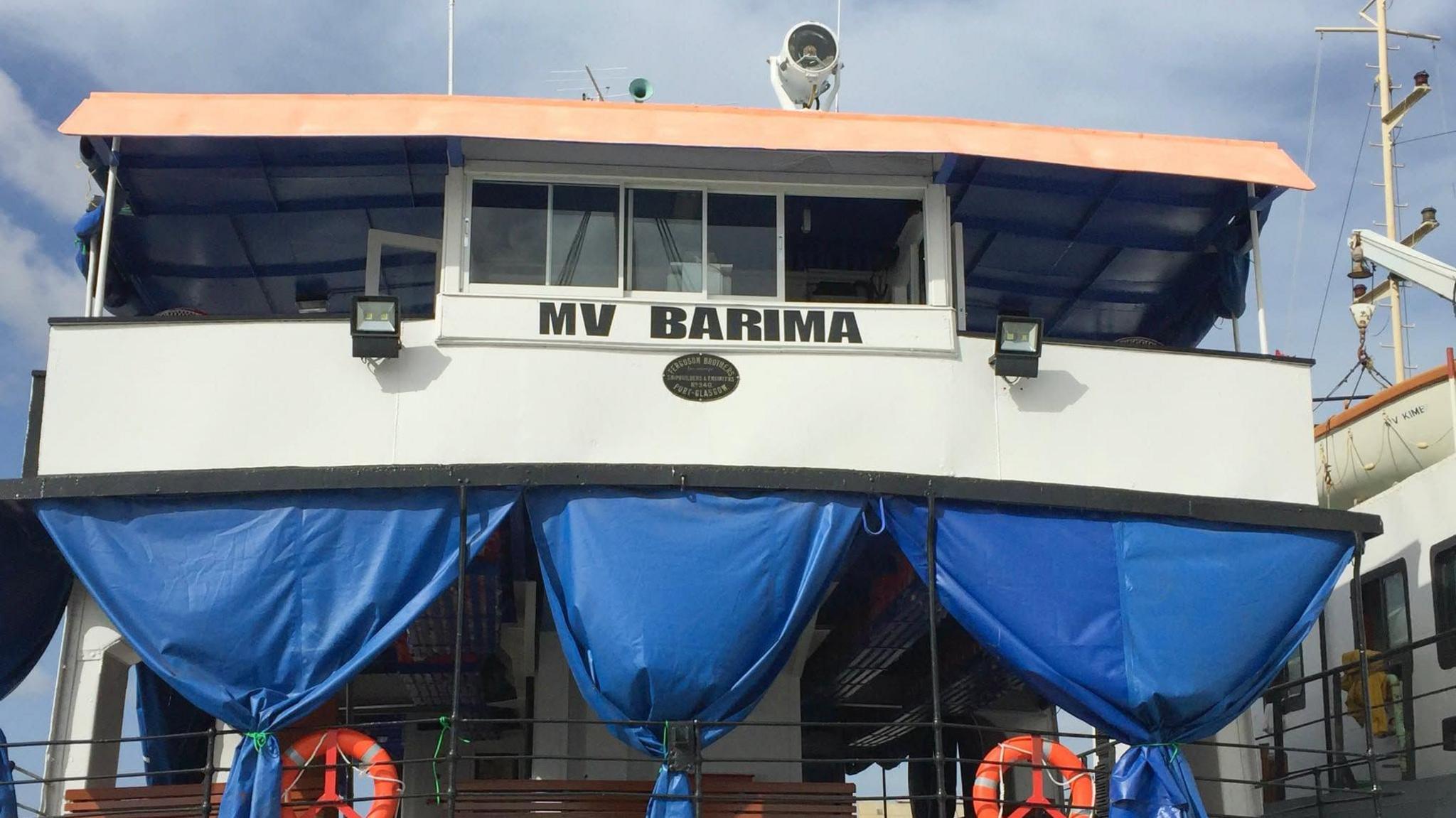
For over a year, the MV Barima has been a staple of Guyana’s riverine travel, a 40‑metre vessel that ferried commuters between Georgetown and Port Kaituma. On the night of July 19, it capsized mere kilometres off the coast of Iron Punt, leaving 108 of its 116 passengers stranded.
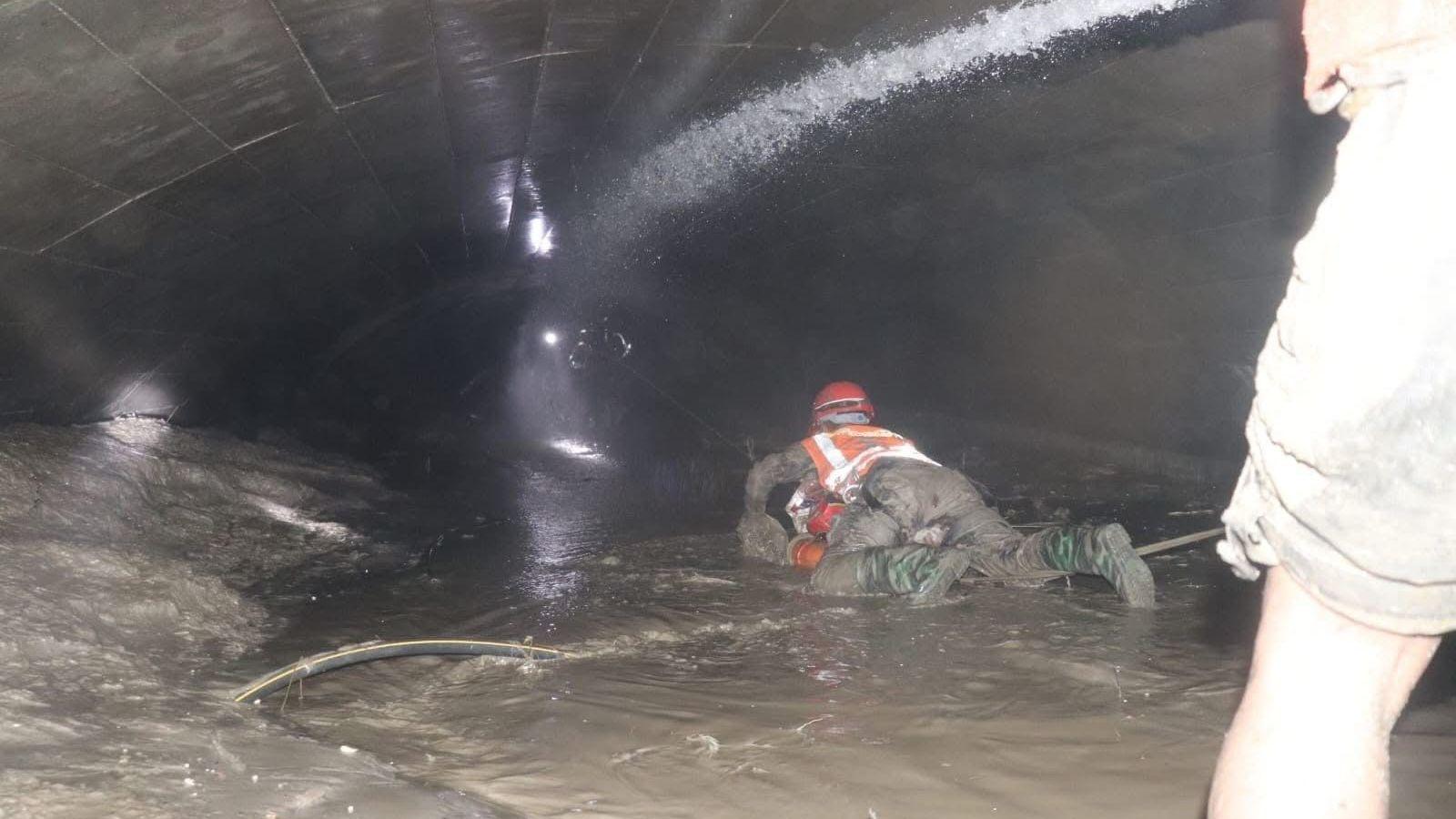
The distress signal was received at 23:01 local time, and the Public Works Minister, Juan Edghill, immediately ordered an urgent search operation involving both state and private boats. The government has yet to confirm whether the remaining passengers can be rescued or if the vessel is beyond saving.
Edghill highlighted that the MV Barima was equipped with 250 life jackets, two rigid lifeboats and six inflatable lifeboats – a standard configuration for a ferry of its age. Despite these provisions, only eight individuals have been located, underscoring the speed and severity of the disaster.
Prime Minister Mark Phillips is reportedly directing the official response, with calls for a transparent investigation into what precipitated the capsizing. Local maritime safety watchdogs are under scrutiny to determine whether mechanical failure or operational missteps played a role.
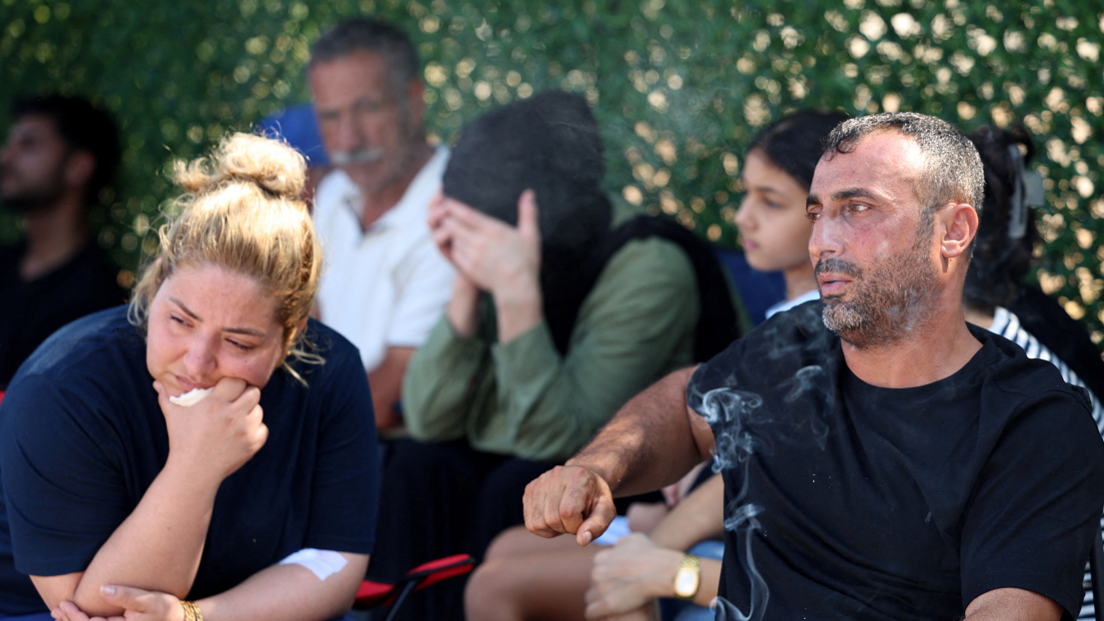
The impact of the tragedy extends beyond the immediate loss of life. Families grieving in Georgetown are demanding stricter safety protocols, while fishing communities along the coast fear ongoing disruptions to transport routes. The government has pledged to provide immediate support to affected families and to review riverine transport regulations.
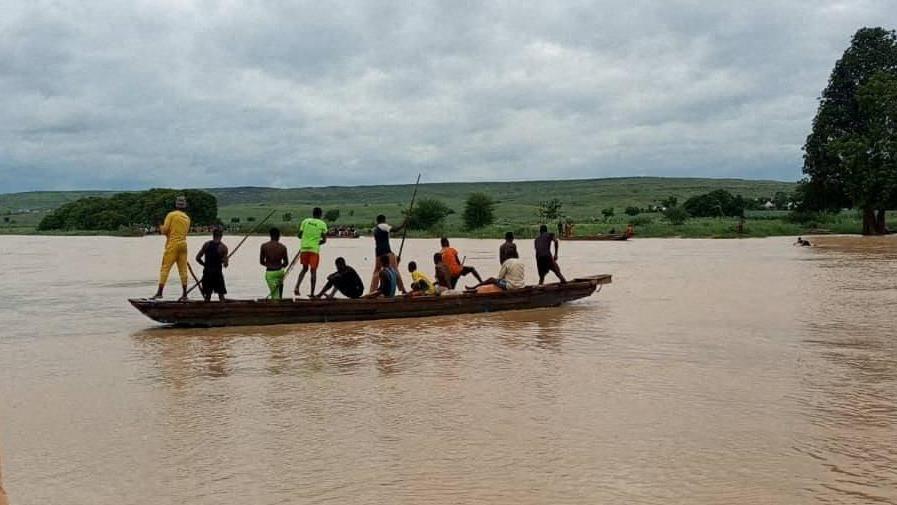
As rescue teams continue to comb the waters of the Rupununi River, the nation remains on edge. The incident has become a focal point in Guyana’s broader campaign to modernise its aging fleet and improve emergency response infrastructure.