
In brief
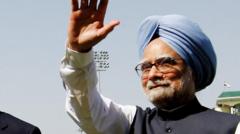
As India mourns the passing of former Prime Minister Manmohan Singh, his influence on the country's trajectory sparks discussions across the nation. Singh, who served from 2004 to 2014, is celebrated as a key figure in India's economic liberalisation, architecting policies that have uplifted millions. His tenure marked a significant era in shaping both the economy and democracy of the world's largest democracy. This article examines five transformative moments in Singh’s career that left an indelible mark on the lives of over a billion Indians.
Economic TransformationSingh’s appointment as Finance Minister in 1991 emerged during a dire financial crisis that threatened India's economy. With foreign reserves dwindling, Singh spearheaded substantial reforms aimed at deregulating the economy. This included measures such as reducing import tariffs and initiating the privatization of state-owned enterprises. His bold declarations in parliament, asserting the inevitability of change, propelled India into an era of rapid economic growth. As Prime Minister, he continued to fortify these reforms, significantly reducing poverty and establishing India as one of the fastest-growing economies in the world.A Reluctant Yet Resolute LeaderDespite initial reluctance, Singh rose to become a prominent political figure when he was nominated as Prime Minister in 2004, following Sonia Gandhi's unexpected withdrawal from leadership. Critics labeled him a puppet of the Gandhi family, yet he remained steadfastly focused on governance. Under his leadership, the Indian economy thrived, averaging a GDP growth of approximately 8% during his first term. While allegations of corruption marred his second term, Singh maintained his integrity, asserting that history would deliver a fairer judgement of his legacy.Advancements in Education and RightsSingh’s government was instrumental in enacting pivotal laws that advanced civil rights in India. His administration introduced the Right to Information Act, enhancing governmental accountability, and launched employment guarantees for rural citizens. Notably, he established the Right to Free and Compulsory Education, reducing dropout rates among children. Additionally, his advocacy for the Aadhar system has transformed public welfare by promoting financial inclusion.An Apology for Past WrongsIn a landmark move, Singh publicly apologized in 2005 for the anti-Sikh riots of 1984, acknowledging the profound injustices faced by the Sikh community. This act was unprecedented for a sitting Prime Minister and highlighted Singh's commitment to reconciliation and healing, setting a tone for responsible leadership in addressing historical grievances.Strengthening Ties with the USIn 2008, Singh negotiated a pivotal nuclear agreement with the United States that aimed to end India’s diplomatic isolation. Despite facing significant pushback on the grounds of sovereignty, Singh championed the deal, emphasizing the need for energy sustainability as the nation progressed. This agreement not only reshaped international relationships but also positioned India as a crucial player in global affairs.As India reflects on Singh's legacy, it is clear that his decisions have significantly shaped the economic landscape and social fabric of the nation, leaving a hope for continued progress in the years to come.
