In brief
The recent murder of UnitedHealthcare CEO Brian Thompson has led to an unexpected phenomenon: a disturbingly enthusiastic support for the alleged perpetrator, Luigi Mangione. This response, driven by frustrations with the U.S. healthcare system and dangerous idolization of criminality, raises urgent questions about societal values and the normalization of violence in discourse.
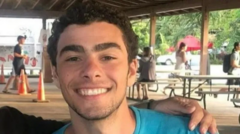
In the wake of the murder of UnitedHealthcare CEO Brian Thompson, the online reaction has taken a striking turn, unveiling a troubling culture surrounding the suspect, Luigi Mangione. As the shooting incident ignited flames of existing frustrations with the healthcare system, many young individuals gathered in New York City for a lookalike contest celebrating Mangione—a signal of the intense social media obsession surrounding him just days after the crime. Though sparsely attended, this gathering highlighted a growing fixation that has flooded platforms such as TikTok and Etsy, where the suspect is being painted as a folk hero amidst grievances against the U.S. healthcare system. Cultural critic Blakely Thornton noted that Mr. Mangione’s conventional attractiveness contributes significantly to this online adoration, further blurring the lines between celebrity and criminality.The fallout of Thompson's death underscores the anger directed at private health insurers in the U.S. As narratives about Mangione proliferated across social media, hashtags like #EatTheRich and #FreeLuigi transformed into symbols of discontent, gathering thousands of interactions and reflections of a deeper societal frustration. This troublesome trend has not gone unnoticed—experts warn that it indicates a movement towards normalizing political violence.While some voices defend their support for Mangione through the lens of anti-establishment sentiment, others firmly condemn the violence. Political leaders emphasize that such acts will only lead to an unsafe society where ideologies advocate for vigilante justice.The case has inspired vehement debate around the treatment of victims and the troubling glorification of violence. Critics lament that the public's collective outrage towards the healthcare industry has overshadowed the tragedy surrounding Thompson's murder, leaving his legacy insufficiently recognized. Thompson's colleagues remember him as "one of the good guys," which adds an unsettling layer of complexity to the events as the healthcare debate rages on.Despite the chaos, the manifestation of anger and violence surrounding this event serves as necessary introspection into America's healthcare policies and the public's emotional turmoil, urging a deeper conversation about healing and reform rather than idolization of alleged criminals. As discussions continue, it remains critical to weigh the consequences of glorifying violence against the call for accountability in a complex and often painful healthcare landscape.