
In brief
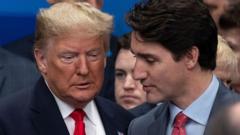
In a significant diplomatic move, Canadian PM Justin Trudeau flew to Florida to meet with President-elect Donald Trump, seeking to mitigate threats of a 25% tariff on Canadian products. The meeting, which was not on Trudeau's official agenda, focused on the economic implications of the proposed tariffs, emphasizing the potential negative impact on both nations.
Canadian Prime Minister Justin Trudeau landed in Florida on Friday evening to engage in discussions with President-elect Donald Trump at his Mar-a-Lago estate. This visit comes in response to Trump's recent threats to impose a 25% tariff on goods imported from Canada, a move that could have far-reaching consequences for the Canadian economy. The Prime Minister's office has not officially commented on the matter, and the visit was not outlined in Trudeau's public schedule, suggesting a degree of urgency. Prior to this meeting, the two leaders had conversed by phone regarding trade relations. Although Trudeau's agenda included stops in Prince Edward Island, the necessity of this face-to-face dialogue reflects serious concerns regarding Trump's trade policies, particularly those affecting Canada and Mexico.Trudeau highlighted the importance of the US-Canada relationship during public remarks, noting past successes in trade agreements and labor collaboration between the two nations. "We rolled up our sleeves and were able to create jobs on both sides of the border," Trudeau stated, expressing optimism about productive discussions with Trump during their dinner meeting. In addition to Trudeau, Minister of Border Security Dominic LeBlanc accompanied him on this trip. Reports indicate that dinner guests included Trump’s key nominees, such as Howard Lutnick for commerce secretary and Mike Waltz for national security adviser, underlining the significance of this gathering amid shifting economic policies.In light of potential tariffs, Trudeau organized an emergency meeting on Wednesday with provincial leaders, indicating a united front under the "Team Canada" approach. Provincial leaders have expressed concerns, noting that the tariffs could devastate vital sectors, particularly oil and gas, and automotive industries.Amid concerns about border safety and maintaining strong trade ties, both leaders face the challenging task of navigating these economic stakes. Historical data shows a stark contrast in migrant apprehensions, with significantly fewer incidents at the northern border compared to the southern, yet officials on both sides recognize the need for improvements in border security.As the Canadian government works to counter Trump's tariff threats, the potential effects loom large—impacting not only Canadian workers and businesses but also raising concerns about increased prices for American consumers, complicating a fragile economic landscape.
