
In brief
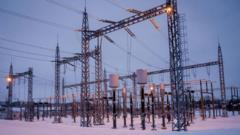
In a historic shift, the Baltic states have successfully disconnected from Russia's electricity network and integrated into the European Union's power grid. This planned move, initiated back in 2007, has been accelerated by increasing geopolitical tensions following Russia's invasion of Ukraine in 2022.
The chief of the EU, Ursula von der Leyen, heralded this transition at a ceremony held in Vilnius, Lithuania, stating, "Today, history is made. This is freedom, freedom from threats, freedom from blackmail." Polish President Andrzej Duda also emphasized the importance of the moment, indicating it symbolizes a significant step towards security and resilience for the region. Historically connected via the Brell power grid, largely managed by Russia, the Baltic nations had faced vulnerability. Since 2022, they have refrained from purchasing electricity from Russia, yet the Brell tie had kept them somewhat reliant on Moscow for energy needs. Vigilance was urged by Von der Leyen as she addressed possible retaliatory actions from Russia. The Baltic region has recently seen a rise in suspected sabotage incidents involving key energy infrastructure. Over the last year and a half, at least 11 underwater cables have been compromised, underlining the threats they confront. Lithuanian President Gitanas Nauseda called for sanctions against Russia's so-called "shadow fleet," allegedly linked to some of these incidents. In reaction to growing concerns, NATO has initiated a new patrol mission, named Baltic Sentry, to bolster regional security. The complete transition to the EU's energy grid required substantial investment, amounting to approximately 1.6 billion euros, predominantly contributed by the EU. The disconnection from the Russian power grid occurred over a short two-day period, marking a definitive end to Post-Soviet energy dependence. Ukrainian Energy Minister German Galushchenko praised the significance of this event for Europe.
