
In brief
In the wake of devastating massacres in El Geneina, Sudan, a UN delegation witnessed the stark realities of a war-torn community plagued by hunger and violence. Survivors recount their traumatic escapes and desperate pleas for aid as they navigate a humanitarian crisis marked by ethnic cleansing and famine.
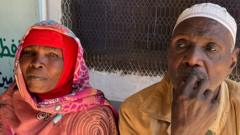
The town of El Geneina, once vibrant, now resembles a haunting shadow of its former self, with its abandoned buildings echoing the stories of unspeakable horror and despair. The bustling markets and lively homes have been replaced by charred remnants, splintered doors, and shattered dreams, reflecting the violent events that unfolded during the war that erupted 19 months ago. UN Under-Secretary-General for Humanitarian Affairs, Tom Fletcher, marveled at the ghostly landscape as he embarked on his first visit since the conflict of Sudan began. His observations highlighted a shocking humanitarian catastrophe — one of the worst in modern history, according to UN experts. This area of West Darfur pays witness to rampant violence, sexual assaults, and the looming threat of famine, especially for the Musalit community targeted by the paramilitary Rapid Support Forces (RSF) in what human rights organizations deem ethnic cleansing.Fletcher's visit was made possible through complex negotiations with warring factions led by General al-Burhan and General Hemedti, yet the struggle continues for the people of El Geneina. Accounts of violence are stark—survivors share tales of family members murdered, homes turned to ash, and an ongoing battle for survival characterized by famine and fear. Refugees fleeing to Chad describe how their lives were irrevocably altered, with many losing children to the brutality of armed forces and leaving behind everything that once marked a normal life.Inside a sprawling refugee camp just over the border in Chad, the displaced people of El Geneina shared heart-wrenching narratives of their exodus. A 14-year-old girl, defying her age with wisdom beyond her years, recounted how she and her family barely escaped death at the hands of armed men. “We had to hide by day and journey at night, always in fear,” she said, a demonstration of the desperate survival strategies they were forced to adopt amidst the chaos. Amidst bleak realities, reports of utter deprivation emerged; families who once relied on agriculture now found their crops destroyed, their livestock stolen, and their stomachs echoing with hunger. A vibrant community reduced to shadows, where survival hinges on minimal assistance, a community elder emphasized their requests for basic needs—food, water, and education—falling on deaf ears or lost amid other global crises.As the UN delegation moved deeper into the area, the challenges surrounding humanitarian aid became clear. Local NGOs described the uphill battle they face in providing assistance, navigating bureaucratic hurdles imposed by both the SAF and RSF as they strive to care for those trapped in this dire situation. The urgency of action is stark, with fears that the world’s attention is shifting to other conflicts, leaving Sudan’s plight an afterthought.Fletcher's visit signals a crucial moment for the people of El Geneina, who await meaningful intervention. As he meets with international bodies, the community remains hopeful yet realistic in their expectations, seeking the urgent support necessary to address what they describe as the toughest crisis on earth, one that needs the world's gaze and compassion before it's too late.


