In brief
The explosion occurred while victims tried to prevent others from scooping fuel, sparking calls for improved safety measures.
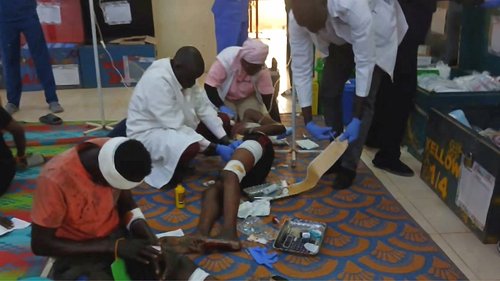
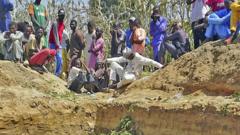
In a heartbreaking incident in Nigeria's northern Jigawa state, farmer Mustapha Majiya is mourning the loss of nearly 50 family members due to a tragic explosion involving an overturned fuel tanker. This catastrophe, which transpired late Tuesday night, has been described as one of Nigeria’s most lethal tanker incidents in recent years.Majiya specifically lost his two nephews, Nuradeen Rabiu, 16, and Dini Babalo, 17. They perished while attempting to deter others from approaching the dangerously overturned tanker that offered free petrol. Eyewitnesses recall the scene as chaos ensued, with villagers rushing to gather fuel as flames erupted into the night sky. The total death toll from the explosion has reached over 170, with many victims burnt beyond recognition, and an additional 100 individuals suffering from serious injuries.The accident was triggered by poor visibility on the unlit road where the tanker overturned after losing control upon encountering another vehicle. In the midst of rampant fuel shortages and soaring petrol prices—over 500% since the removal of subsidies—local residents saw this as an opportunity, recklessly gathering fuel despite warnings. The tragedy was compounded by the loss of another local figure, Jamilu Maigaji, who died also in the explosion.Nigeria's pattern of frequent tanker explosions has drawn attention to urgent calls for better safety protocols and transportation methods. Transporting petroleum predominantly by road has been criticized as outdated, with experts advocating for the development of freight rail systems as safer alternatives. The Federal Road Safety Corps reported over 1,500 tanker accidents in 2020 alone, highlighting a need for political will and effective implementation of safety standards.In response to the Jigawa tragedy, the Nigerian Senate has urged the National Orientation Agency to launch a public awareness campaign regarding the dangers associated with fuel tanker accidents. Vice-President Kashim Shettima emphasized the significance of enhancing preventative measures during a visit to the National Road Safety Advisory Council.Despite assurances from the government regarding investigations and support for affected families, skeptics remain, citing a history of rare prosecutions and compensation for victims of similar accidents. “The community is in mourning,” said Mr. Majiya, reflecting on the collective grief and urging for substantial changes to enhance citizens' safety. As the nation collectively grieves the losses in Majia town, the outcry for protective measures and accountability from the government grows louder.