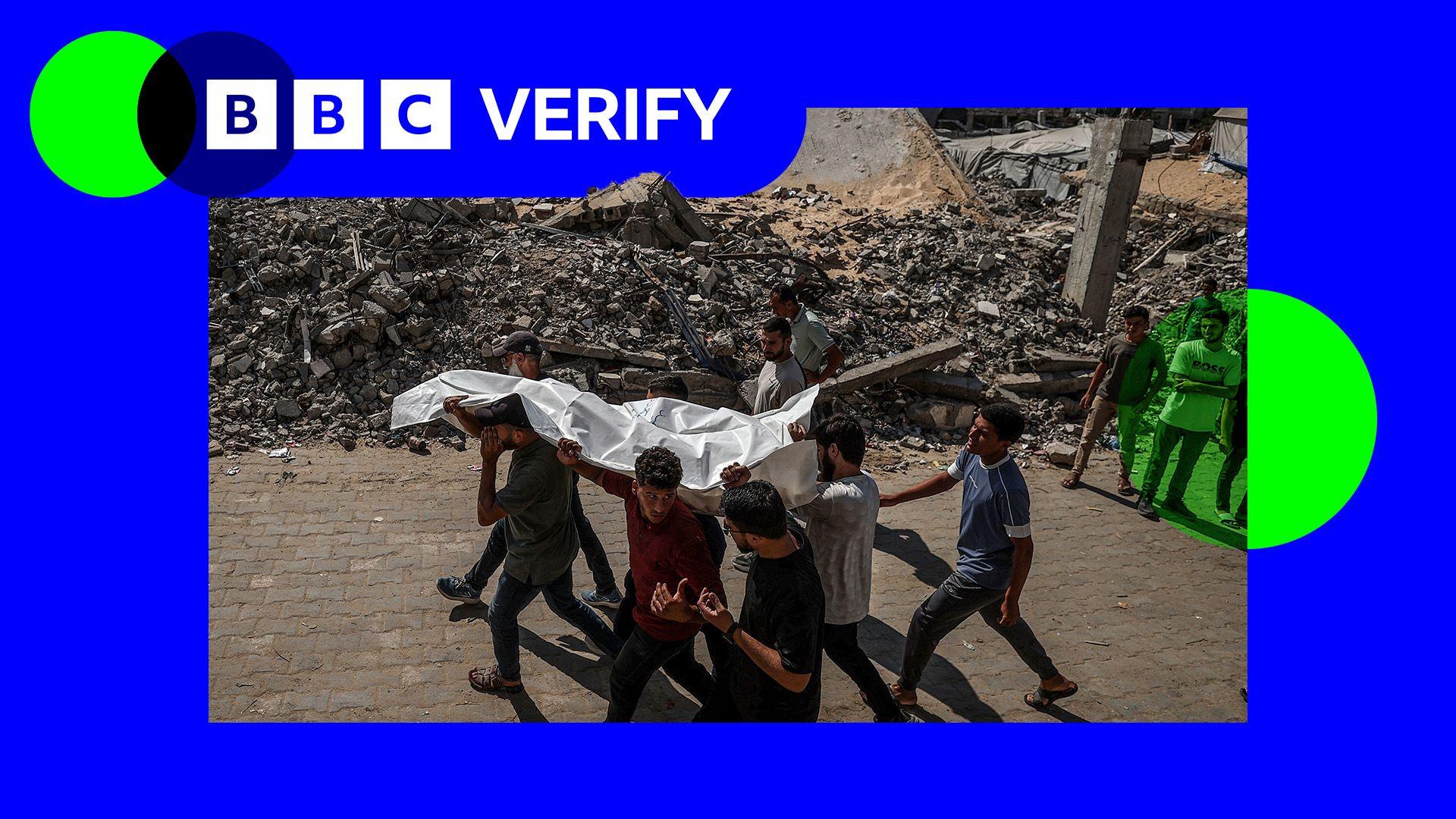
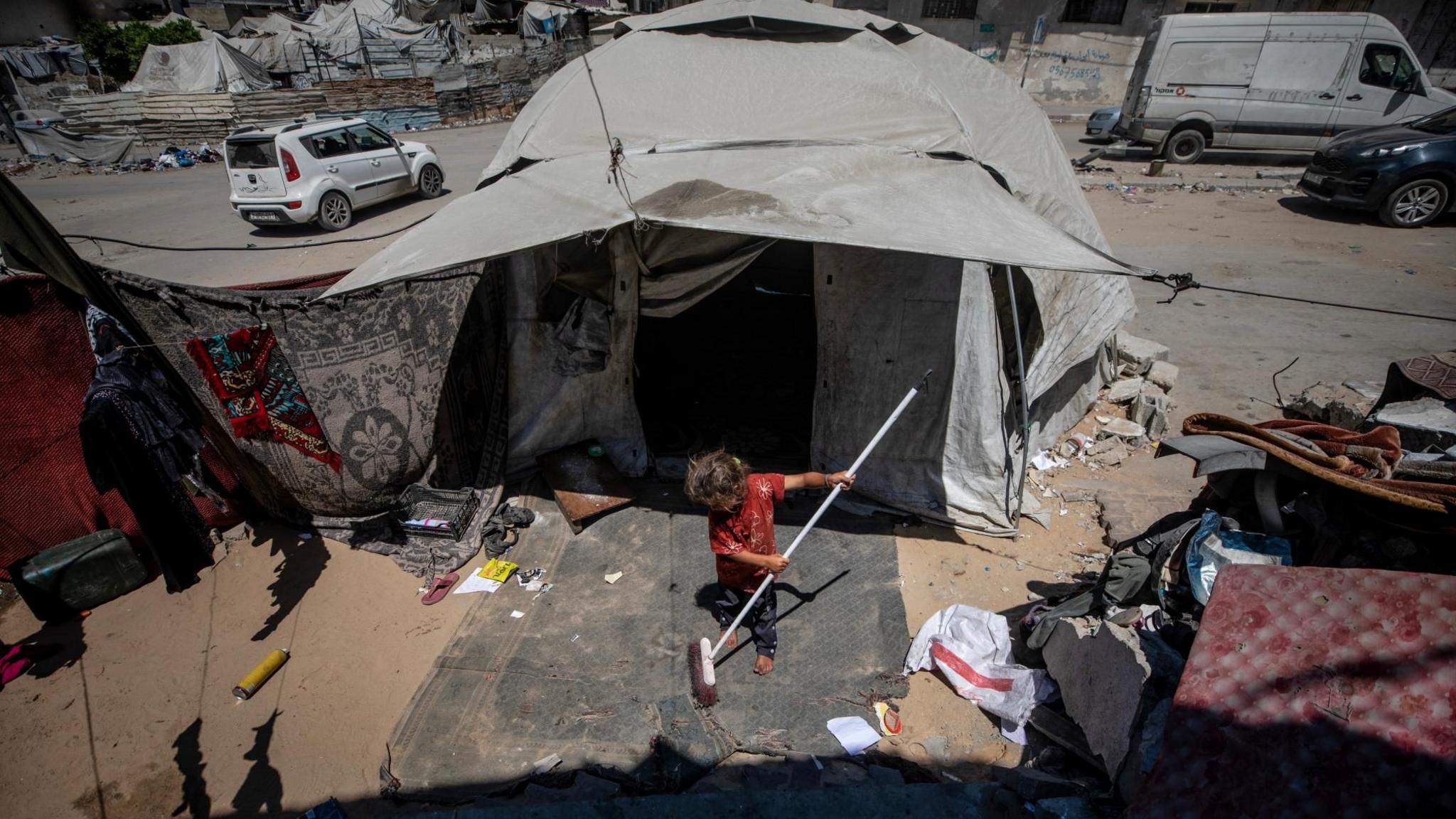
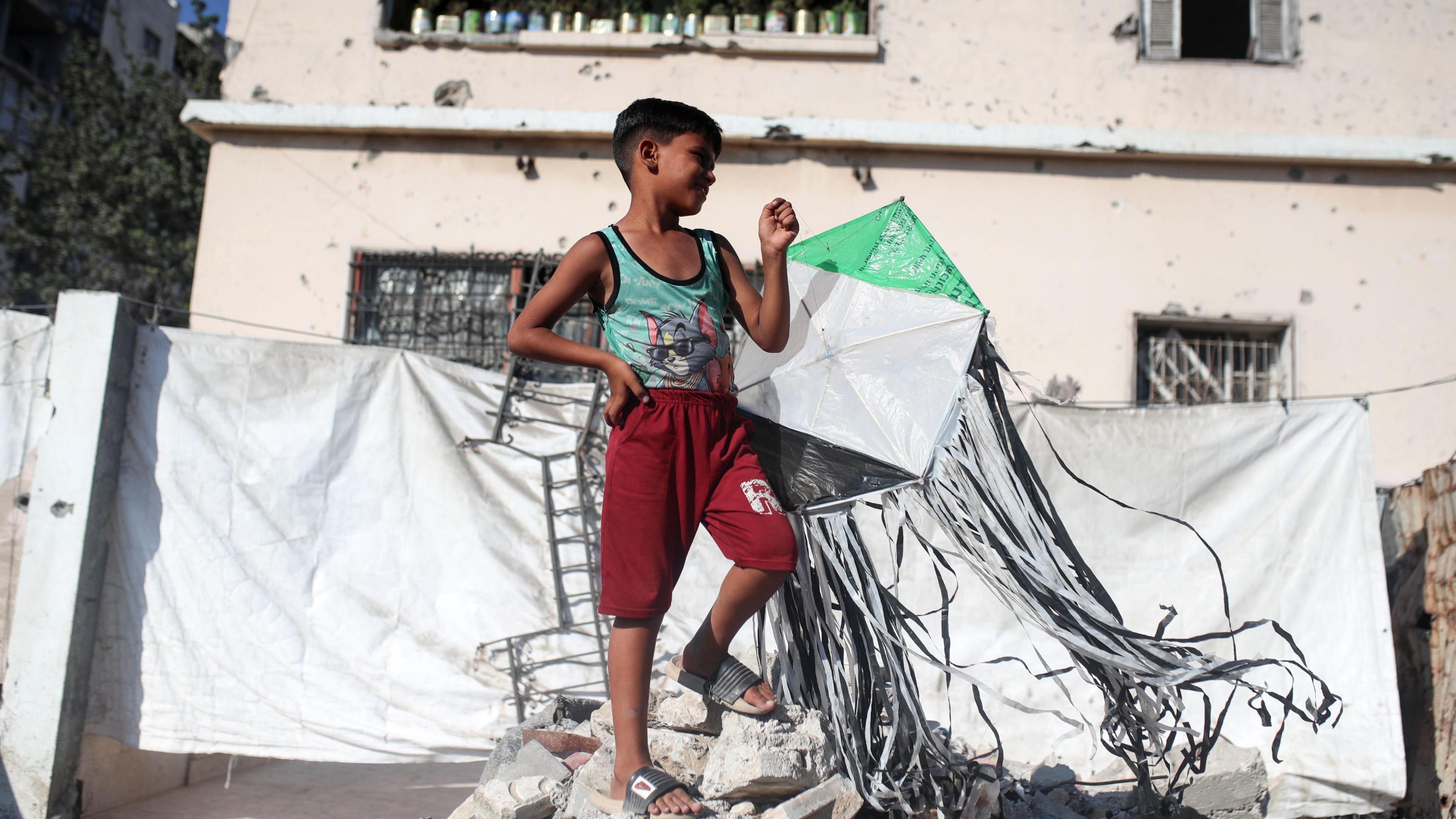
In late July a dramatic escalation of the Gaza war turned a childhood into a medical marathon for six‑year‑old Raseel al‑Balawi. After an Israeli helicopter blew up the tent she shared with her family in al‑Mawasi camp, the child was taken to a makeshift field hospital where surgeons faced dwindling supplies and the urgency of a brutal infection.
Since the strike, Raseel has undergone more than 20 surgical procedures, ranging from debridement and wound care to partial amputations. Each operation is a critical fight against ongoing infections that threaten to turn a survivable injury into a life‑threatening condition.
Israel’s military spokespersons maintain there is no record of the strike against the camp, yet they have issued statements expressing regret at civilian casualties. The conflicting narratives underline the chaotic information environment in conflict zones.
BBC Eye Investigations followed Raseel for months, documenting her medical journey as the ceasefire that had briefly eased the bombardment frays. The reporter’s footage reveals overwhelmed hospitals, nurses directing scarce supplies, and the psychological strain carried by children who keep returning for treatment.
Doctors in Gaza face an unprecedented strain: medical equipment is scarce, clean water is limited, and the volume of wounded patients has surged beyond any previously experienced crisis. Their efforts become a race against time and a fight for survival for children like Raseel.
The story of Raseel’s repeated surgeries is not just a personal tragedy; it is a stark illustration of how armed conflict turns everyday lives into continuous medical emergencies. Her ongoing struggle reflects the broader crisis faced by thousands of Gazan children caught in one of the world’s most enduring humanitarian disasters.