
In brief
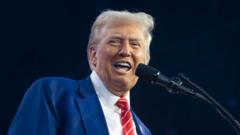
Amid a mix of humorous remarks and serious claims, Trump suggests regaining control over strategic territories, highlighting trade tensions and national security interests.
In recent developments, President-elect Donald Trump’s comments about Greenland and the Panama Canal have captured attention, pointing to a possible pivot in US foreign policy. Originally running on a promise to focus on domestic affairs and avoid foreign conflicts, Trump’s recent statements indicate a desire to assert control over these strategically important regions.During a conservative conference in Arizona, Trump expressed dissatisfaction with Panama Canal fees charged to US ships, labeling them as "ridiculous" and "highly unfair." Historically, the Panama Canal was controlled by the US until its return to Panama following a treaty in the 1970s. Trump threatened that if these fees were not addressed, he would push for the canal’s return to US sovereignty, although he offered no specifics on how that might be executed.Experts point out that the control of the Panama Canal aligns closely with US national security interests. Will Freeman of the Council on Foreign Relations emphasized that the canal is vital for ensuring trade routes and military logistics, particularly in the context of rising tensions with China, which has a significant economic presence in Panama and navigates the canal second only to the US.Panama's leadership has firmly rejected Trump’s assertions, reiterating that the canal remains a vital part of their nation. President José Raúl Mulino has made it clear that the area is not for sale.In addition to talks about the Panama Canal, Trump reignited his earlier aspirations concerning Greenland, stating that US control over the territory is vital for national security and global freedom. Greenland, an autonomous territory of Denmark, is rich in resources and has strategic significance in the Arctic region, which is becoming increasingly contested by global powers like Russia and China. The Prime Minister of Greenland, Múte B Egede, responded unequivocally, affirming that the territory "is not for sale and we will not be for sale."As Trump prepares to take office on January 20, the international community is left wondering how these declarations of intent might shape global trade relations and diplomatic interactions. While tensions are already evident, the future of US foreign policy under Trump's leadership may lean heavily on its historical use of coercive tactics, a strategy that has previously yielded mixed results on the world stage.

