In brief
Southern California is currently facing a critical wildfire crisis exacerbated by climate change, which has intensified the historical conditions that lead to such disasters.
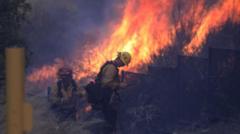
The wildfires raging across Southern California are fueled by a combination of factors, primarily strong winds, lack of rain, and the escalating impacts of climate change, according to experts. Researchers indicate that as the climate continues to warm, the frequency of "fire weather" days—conditions prime for wildfire outbreaks—also increases. The region is currently experiencing severe drought conditions following a particularly warm summer, leaving the landscape vulnerable to dangerous fires. The Santa Ana winds, which can reach speeds of 60-70 mph, are intensifying the situation. These strong, dry winds blow from the area's interior toward the coast, with this month's high wind event being reported as the worst in over a decade.The winds are rapidly desiccating the land, and while they are strongest at the beginning of these fire outbreaks, they leave behind parched vegetation that will contribute to prolonged burn times. Instead of remaining on mountainous terrain, recent fires have shifted down to populated valleys, escalating the potential for human-related ignition sources.Daniel Swain, a climate researcher at UCLA, highlighted the complications this poses for public safety, noting that these areas are less prepared for pre-emptive power shut-offs, necessary to mitigate wildfire risks. California's drought, which persisted for over a decade, recently ended two years ago, followed by wet conditions that allowed for excessive shrub and tree growth—making for highly flammable material. However, an extremely hot summer has given way to a dry autumn and winter. Downtown Los Angeles has seen only 0.16 inches of rain since October—over four inches less than average—adding to the fire risks.The implications of climate change extend beyond California, with many regions globally witnessing an increase in fire weather days and longer fire seasons. The state's diverse topography further complicates wildfire containment, causing fires to burn more ferociously in steep areas filled with naturally fire-prone shrub vegetation.While scientists have noted a striking increase in both the duration and severity of wildfire seasons in California in recent decades, quantifying the specific influence of climate change on recent wildfires necessitates further investigation, as cautioned by Professor Stefan Doerr from Swansea University’s Centre for Wildfire Research.