
In brief
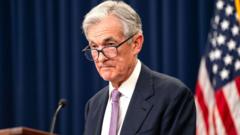
In a recent press conference, Federal Reserve Chairman Jerome Powell firmly addressed lingering speculation regarding his job security in light of Donald Trump's impending presidency. While announcing a reduction in the Fed's key interest rate to a range of 4.5%-4.75%, Powell declared he would not resign if Trump requested it, clarifying that such action is "not permitted under law." Trump has previously expressed intentions to influence the central bank's policies, specifically regarding his proposed tax cuts and tariffs, which have raised concerns over inflation and government borrowing.
Powell's responses came amid heightened scrutiny of the Fed and its actions in response to rising prices. Following significant rate hikes last year that led to the highest borrowing costs seen in over two decades, the central bank has recently adopted a more cautious approach, cutting rates in the hopes of stabilizing inflation, which has recently begun to show signs of easing.Despite the challenges ahead, Powell stated that it is too early to gauge how the new administration's policies might impact the economy or guide the Fed’s decisions. In light of Trump's history of criticism targeting Powell, the Chairman reiterated his commitment to his term, which runs until 2026, and stressed that confusion surrounding future economic conditions complicates further predictions on interest rate adjustments.As the Fed's recent rate cuts signal an attempt to nurture the economy amidst volatile conditions, experts highlight potential market ramifications of Trump's fiscal policies, which could complicate the Fed's approach moving forward. Given ongoing discussions about the limits of government intervention and the Fed's independence, Powell's statements underscore the delicate balance between economic policy and regulatory oversight.

