
In brief
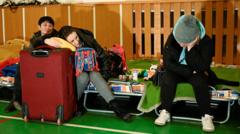
In a move that has sparked outrage, Slovakia’s Prime Minister Robert Fico recently announced plans to cut back financial support for over 130,000 Ukrainian refugees as relations between Slovakia and Ukraine deteriorate following Kyiv's cessation of a crucial gas pipeline. The pivotal pipeline, which had been a primary supplier of Russian natural gas to Central Europe for years, was turned off on January 1, leading to a significant expected loss of transit revenues for Slovakia. Fico has condemned Ukraine's actions, labeling them as "sabotage."
Currently, there are an estimated 130,530 Ukrainian refugees residing in Slovakia, according to the UN's refugee agency (UNHCR). The situation has prompted Fico, who has previously engaged in discussions with Russian President Vladimir Putin, to consider halting electricity exports to Ukraine and substantially reducing financial assistance to Ukrainian refugees. He stated that Slovakia has taken measures to safeguard against energy shortages but pointed out that Ukraine's decision to cut off gas supplies could lead to significant financial losses for Slovakia totaling about 500 million euros. In response to Slovakia’s threats, Ukrainian President Volodymyr Zelensky accused Fico of aligning with Moscow and undermining Ukraine's struggle against the ongoing invasion. Zelensky condemned Fico's stance, asserting that it would only bring more hardship to the Ukrainian people. Amid these tensions, Poland has offered support to Ukraine, should Slovakia proceed with its plans to cut electricity, reinforcing the relationship between neighboring countries in seeking stability. The European Commission has indicated readiness for these developments, asserting that the EU has prepared for alternate energy supplies, aiming to mitigate the impact on nations like Moldova, which is already grappling with shortages. As the region navigates this complicated web of geopolitical interests and humanitarian responsibilities, the dialogue continues, weighing the significance of solidarity against the backdrop of energy security.

