In brief
In San Francisco’s Duboce Triangle, a luxury apartment listed for almost $3 million attracted buyers who offered shares of OpenAI and Anthropic instead of cash. The influx of high‑earning AI employees has catapulted citywide median home prices to $1.76 million, up 19 % year‑on‑year. Economists point to the surge in tech wages, large stock‑sales and limited housing supply as key drivers, while some residents feel the market is being skewed by “AI money.” Despite rising prices, layoffs and a transition to mature tech firms may temper the boom, but for now bidding wars are common and many can only afford homes by selling shares or moving elsewhere.
AI wealth is making San Francisco’s houses astronomically pricey
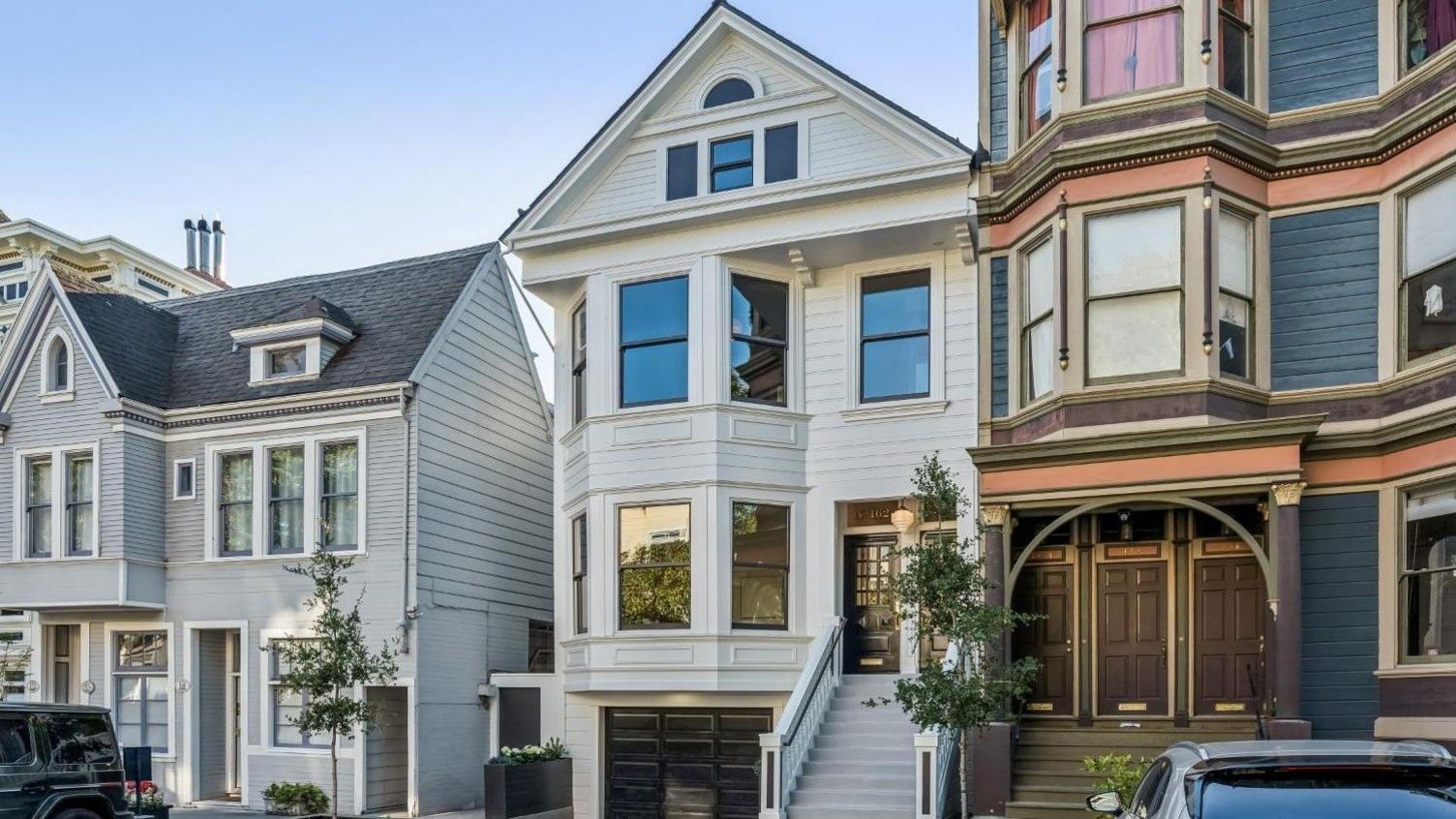
On a tree‑lined street in the Duboce Triangle, a three‑bedroom apartment in a renovated Edwardian house is on the market for $2.99 million. The seller is willing to accept shares of OpenAI or Anthropic in lieu of cash.
The offer has drawn attention from a young OpenAI employee who is currently renting in the city and wants to ask his employer about a possible share transfer. The move mirrors the larger trend: last October more than 600 OpenAI staff sold $6.6 billion of shares, and $6 billion worth of Anthropic shares have been traded.
Redfin chief economist Daryl Fairweather notes that property prices have jumped since the launch of ChatGPT. The median sale price in San Francisco reached a record $1.76 million in May 2026, a 19 % rise from the previous year and far above the national median of $400,000.
The trend is driven by the high salaries and bonuses paid to top AI talent, and the flexibility to cash in on stock options. Economists say that the current AI boom is still early, but the influx of wealth is already pushing prices beyond what the city’s supply can sustain.
Real‑estate agents describe a “crazy” market: buyers—many from the AI world—are engaging in bidding wars and paying millions above asking price. Once‑listed homes are now closer to market value to trigger the auction effect.
For families not in the tech sector, the price surge forces them to move north or pay larger mortgages. Two families bought move‑in‑ready single‑family homes, one financed by an AI employee’s share sale and the other relying on a traditional mortgage.
As AI giants prepare for public listings later this year, the question remains: will the affordable‑housing problem worsen, or will layoffs and a shift to less specialised roles moderate the market? The answer will shape San Francisco’s future for all its residents.