A 97‑year‑old survives Assam floods on a banana raft
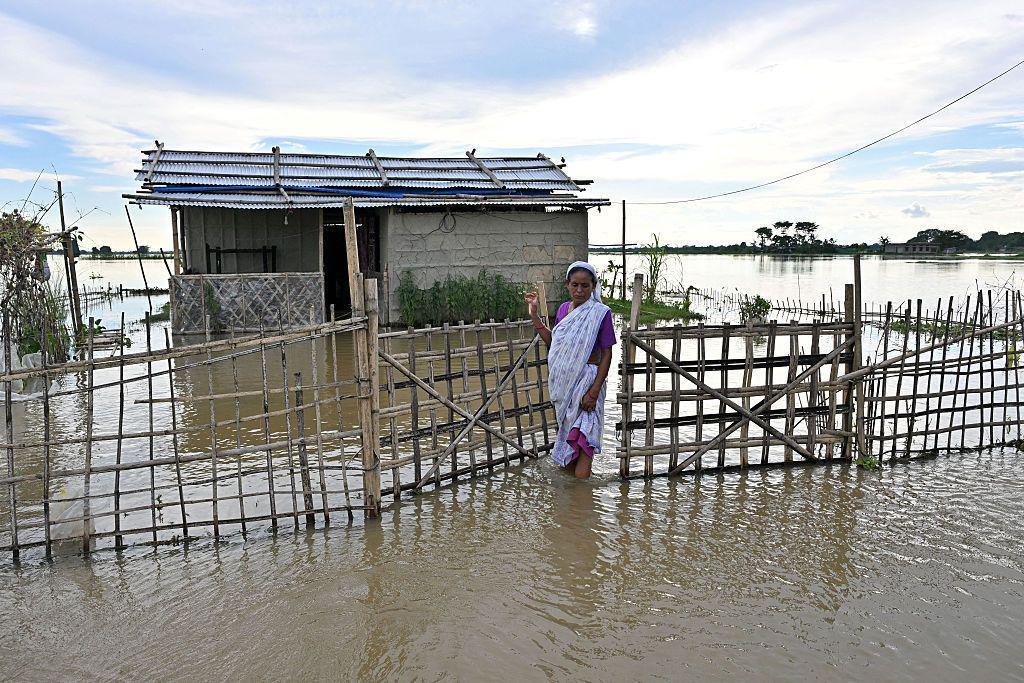
At just after midnight on 19 July, floodwaters surged through Charing village in Assam, the northeastern state of India. Lokada Duarah, 97, who could no longer walk, was lifted onto a banana‑trunk raft by her wife Bornali and her husband and dragged across the jaws of the Brahmaputra’s tributaries to a safe spot on a highway.
Within hours, Lokada’s family had reached a relief camp located some 12 miles from their home. The water had risen to over five feet inside their single‑storey, eight‑room house, forcing the family to abandon the house almost a day after the flood began.
Bornali, once a journalist, had turned to animal husbandry in 2016 and was named Assam’s "Best Livestock Farmer" in 2019. Her farm counted 300 goats, 500 ducks and 1,000 chickens—everything that was almost completely destroyed by the floods. She said that no livestock in the region is insured, and the loss of her animals, house, furniture, laptops and a large collection of books brought a near‑total economic crisis.
Over the five days at the camp, there was no electricity or mobile connectivity, and the government supplied only a basic relief kit of rice, lentils and cooking oil. Strangers at the camp offered food and help and treated the few surviving goats and sick ducks.
Experts say the flood is part of a pattern of increasing severity and frequency on the Brahmaputra basin, driven by widening river channels, deforestation, mining and new roads that alter the region’s hydrology. The 2004 flood alone killed 251 people and affected 12 million people in the state.
Baruah is back in Charing, staying at a neighbour’s house while plans to rebuild take shape. She says she will not leave the village, because the cost to move far from her roots is beyond her means. She is already thinking of raised foundations, emergency platforms and securing water and food supplies.
"No, we will learn to coexist with the floods. If we regain our economic and mental strength, life will return to how it was before," she said, showing a cautious optimism that despite the tragedy, the community will adapt and survive.