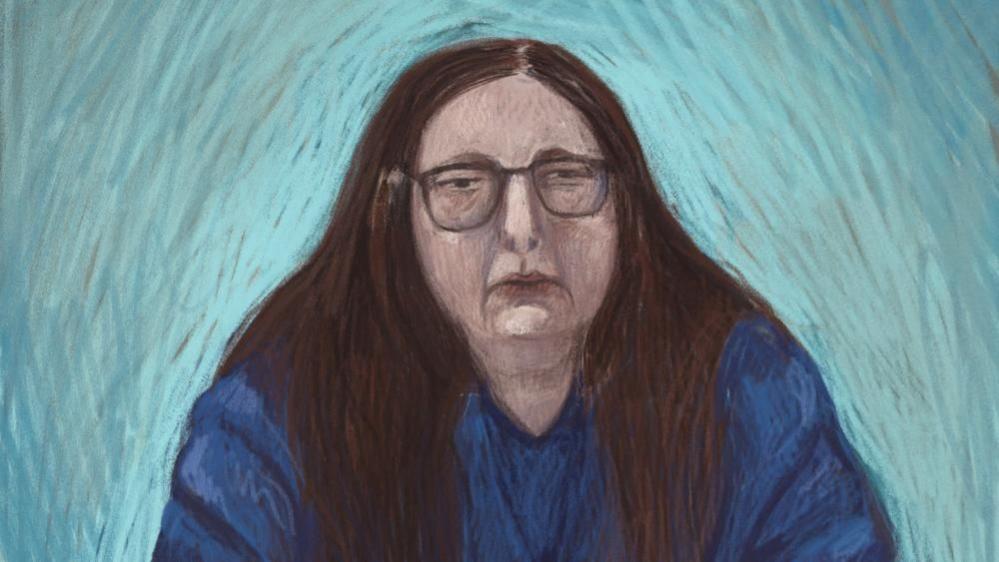
A Year Later: Erin Patterson’s Appeal Stirs Legal and Public Debate
The Melbourne‑based murderer who served a life sentence for poisoning three family members in 2023 has filed a full appeal, claiming that the original trial was riddled with procedural errors, questionable evidence and potential jury bias.
Case Background and Key Claims
Erin Patterson was convicted after a lunch in Leongatha, where she served death cap mushroom‑laden beef Wellington to her in‑laws, brother‑in‑law and the wife of her husband’s friend, all of whom later died of poisoning.
In court, she maintained that the deaths were accidental and that she had no intent to kill. Yet the jury found her guilty of slander and assault on a duty of care.
The defence’s appeal rests on seven grounds. They contest that mobile‑phone location data, suggesting a “death cap” hot spot, was improperly admitted and that social media posts were irrelevant and prejudicial.
They also argue that physically‑based evidence—such as photos of Patterson’s mushroom–foraging hobby—was wrongly excluded, lessening the argument that the poison was accidental.
Jury Deliberation Concerns
The defence alleges a fundamental irregularity: the jury had to share a hotel with prosecution witnesses and journalists due to room shortages. This, they claim, violated the expectation of isolated deliberation, potentially compromising the verdict.
Prosecution’s Counter‑Appeal
The Department of Public Prosecutions took the unusual step of appealing the sentence, arguing that a 33‑year parole window is “manifestly inadequate” given the seriousness of her crimes.
Justice Christopher Beale had, in his sentencing plea, acknowledged the harsh prison conditions Patterson had faced, including prolonged solitary confinement, which the prosecution argues factor into a longer pre‑parole period.
What Happens Next?
The Court of Appeal’s decision is expected in months, and could result in a retrial, an outright acquittal, or an extended parole timeline. A successful prosecution appeal could see Patterson condemned to life without parole.
The outcome will be scrutinised by both legal experts and a global audience that has followed the case closely, as it touches on fundamental questions of justice, media influence and the fairness of high‑profile trials.