In brief
In the eastern German state of Saxony‑Anhalt, 35‑year‑old Tobias Rausch of the far‑right Alternative for Germany (AfD) was elected speaker of the state parliament, a position the party has never held since World War II. Rausch secured the post with the backing of nine MPs from other parties, despite the AfD falling short of an outright majority in the recent election. The vote sent shockwaves through German politics, with protestors outside the chamber holding slogans like “Never again is now.” The election also prompted the Greens’ leader to declare that a line has been crossed, calling the moment a watershed. The AfD’s rise to power in Saxony‑Anhalt has increased concerns over its pro‑Russian, anti‑immigrant and anti‑LGBT positions, and its leaders’ ambitions for the state premier role.
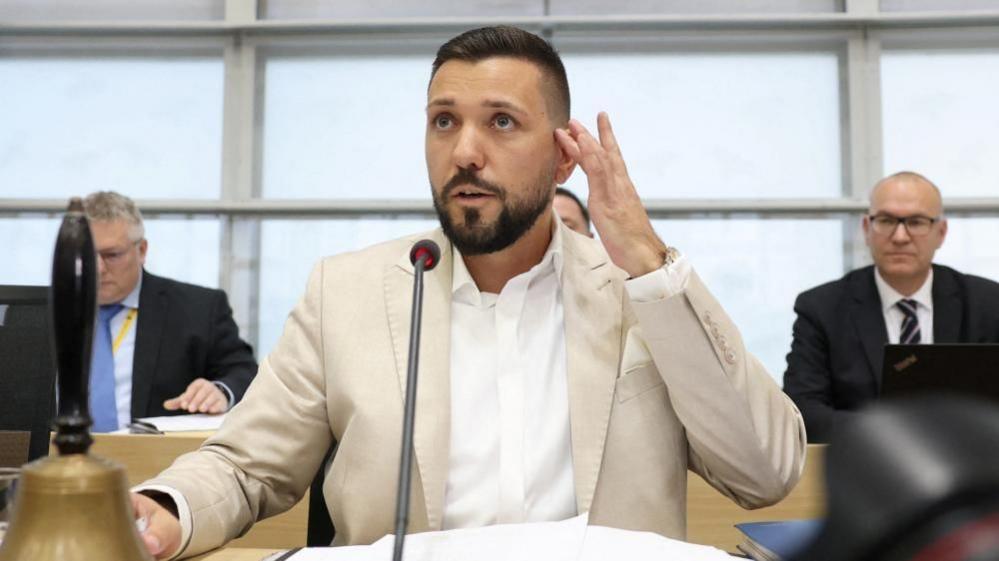
Tobias Rausch, 35, has become the first far‑right speaker of a German state parliament since the end of World War II, after securing the post in Saxony‑Anhalt with the support of nine MPs from parties outside the AfD.
The decision was made on a Tuesday after the state election a month earlier, in which the AfD won a decisive victory but fell three seats short of an outright majority. Rausch’s election came despite several parties historically opposing a partnership with the AfD.
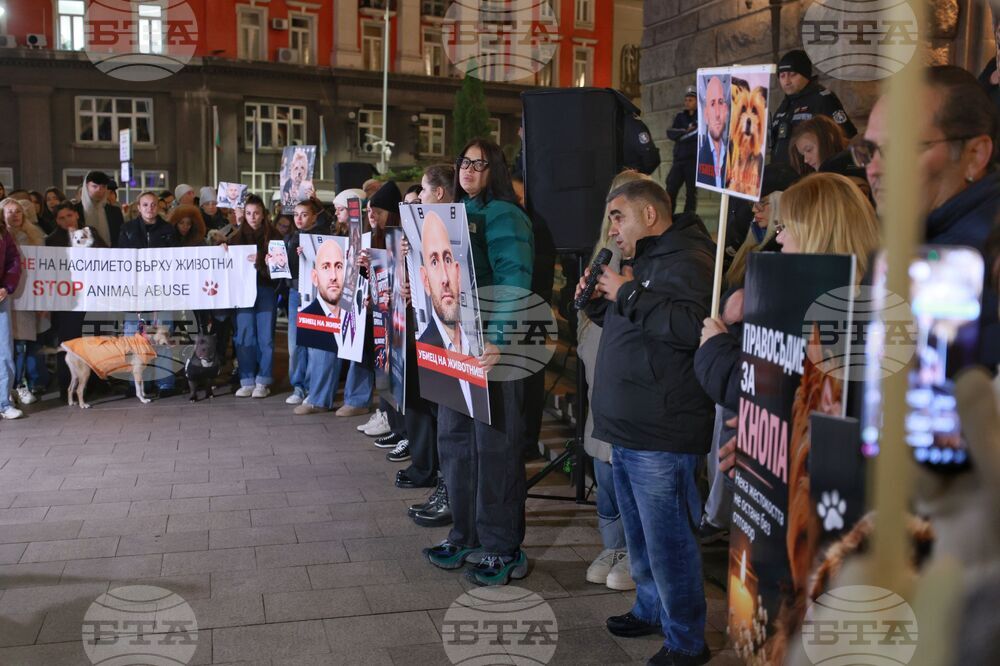
Across the Marienkirche Hall in Magdeburg, demonstrators gathered, holding signs that read “Never again is now,” reflecting the shock that many felt about a far‑right party gaining such a key role in the legislative process.
When the vote was announced Rausch said the days of political firewalls should be a thing of the past, rejecting the post‑war consensus that German politics should not cooperate with the far right.
Green party leader Susan Sziborra‑Seidlitz called the election of a far‑right speaker “a line crossed” and a watershed moment for the state, warning that the governing coalition must stand against any curtailment of rights.
The AfD, which is noted for its pro‑Russian stance, anti‑immigrant rhetoric and intolerance toward the LGBT community, is officially regarded by domestic intelligence in Saxony‑Anhalt as a right‑wing extremist, a label the party denies.
Rausch has served in the state parliament for ten years and is a trained estate agent, but his new role is largely symbolic—he will chair debates, control access to the parliament building and represent the assembly at official events.
Analysis of the vote shows that five members of the hard‑left Labour and Social Democratic left, the BSW, supported Rausch, while four other MPs of unspecified affiliation also threw their ballots his way, prompting speculation that some CDU members may have backed him even though the party’s leadership had ruled out a partnership with the AfD.
Outside the chamber more than 300 protesters voiced their anger, and they gathered around former AfD state leader Ulrich Siegmund, who is also seeking the position of state premier and faces the same threshold of 42 MP votes in a 83‑seat legislature.
The BSW has announced that it will not enter a coalition with the AfD and will instead back a non‑partisan candidate for premier, opting to abstain from the December vote.