Afghan Women’s Football Team Reunites 8,000 Miles From Home
The Afghan women's national team had been barred from official football after the Taliban took power in 2021, revoking the AFC's license and forbidding women from playing. In late April 2024, FIFA declared that the refugee‐backed Afghan Women United team could represent Afghanistan in international competitions, a historic step that finally legitimised the squad.
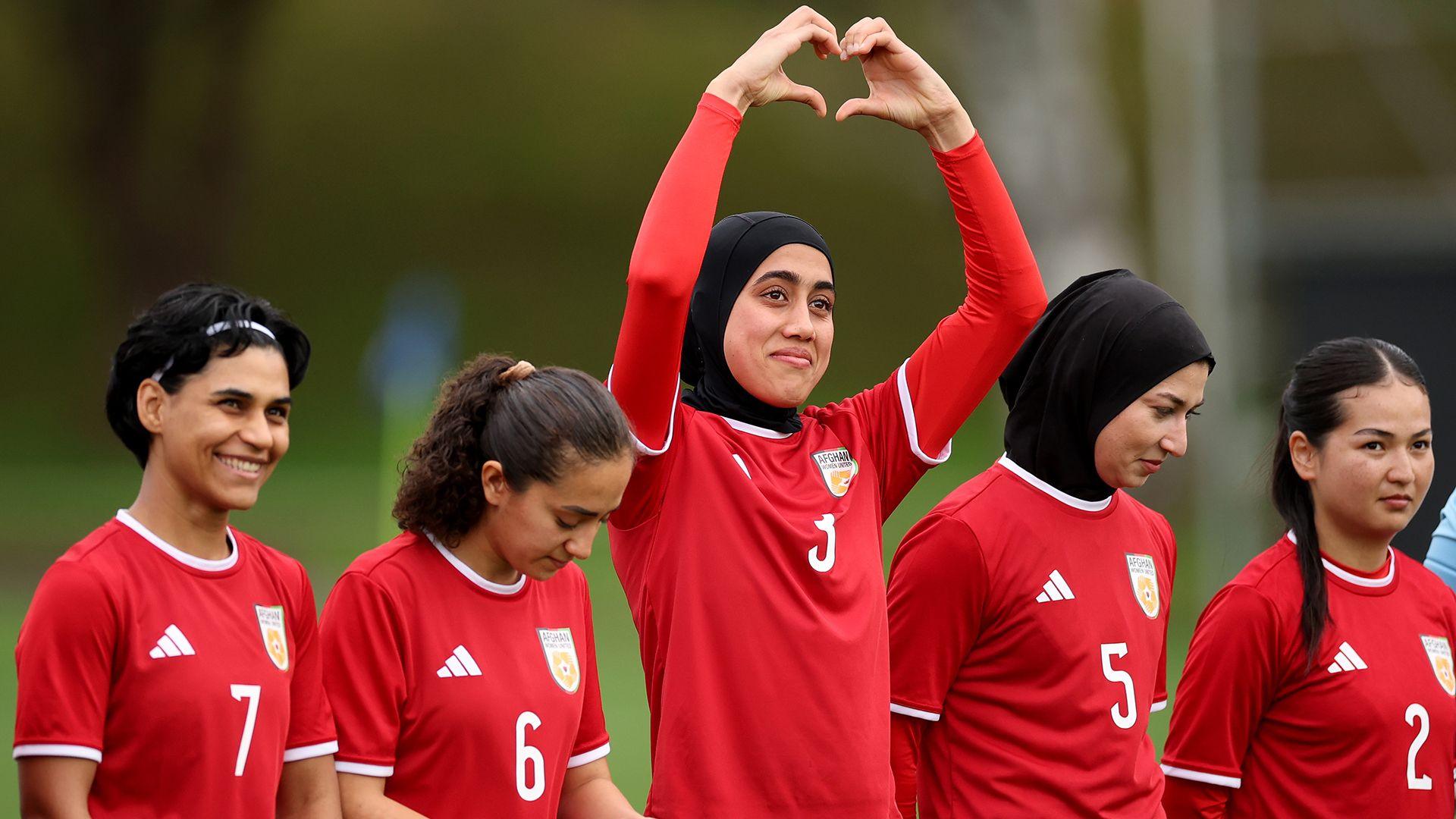
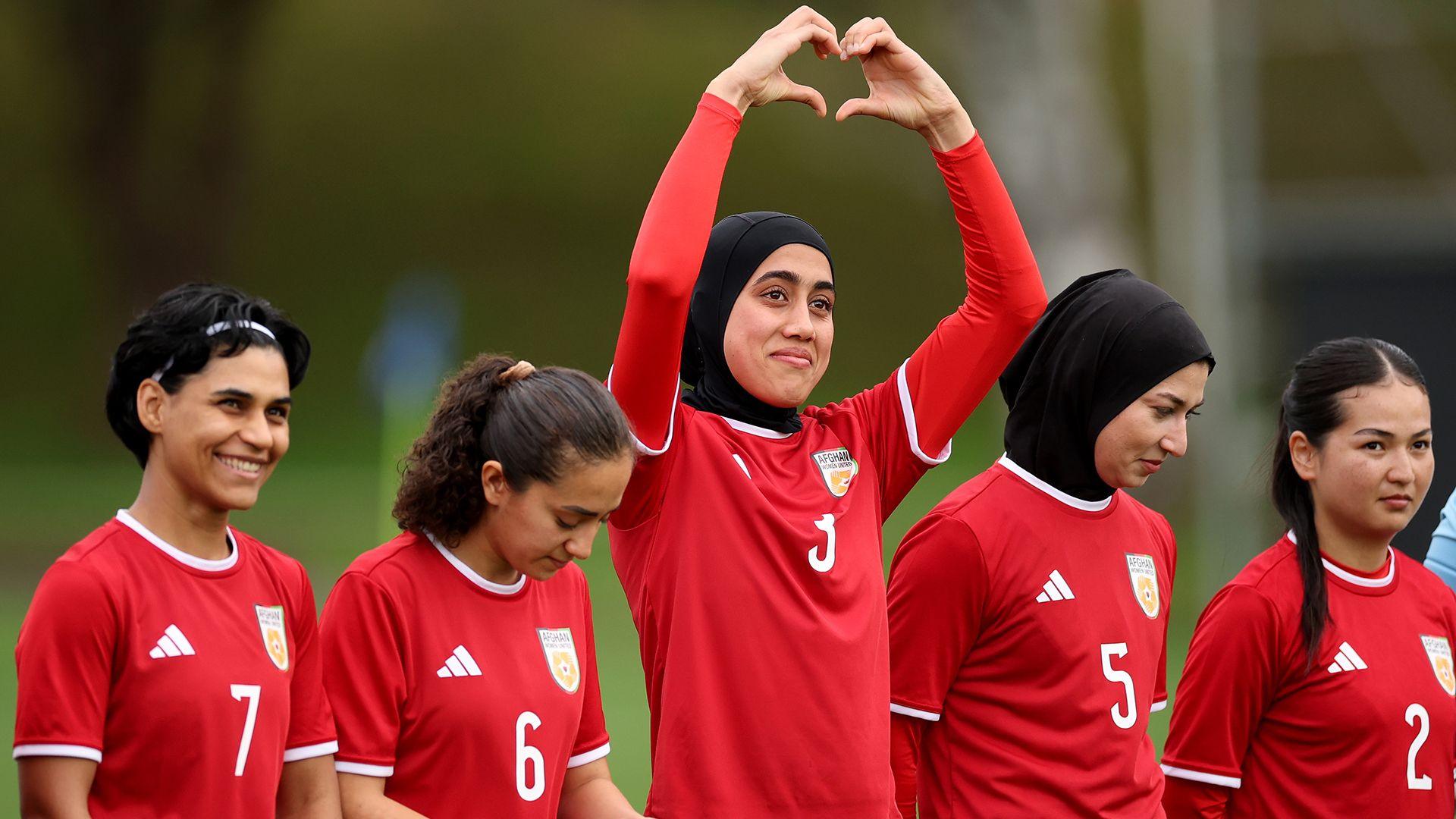
The 23‑player squad, chosen from players living in Australia, the UK, Portugal and other host countries, gathered in Auckland, New Zealand, for a week‑long training camp and two friendly matches against the Cook Islands. The women line up in red kits, hugging the Afghan flag in the locker room, breathing in the comforting soundtrack of an upbeat anthem that seems a lifetime away.
“Be strong as always because we are representing Afghan women,” says midfielder Fatima Haidari, echoing the sense of duty they feel amid the political exile that demands a new sense of belonging.
Most of the players have been longer than five years living abroad, navigating bureaucratic hurdles to reunite on a single team. The women describe the matches as a lifeline: “If I wasn’t a footballer, I would still be in Afghanistan, one of millions of girls who are not allowed to study, speak up or choose their future.”
Manozh Noori, originally from Kabul and now in Australia, recounts the terror that led her to bury medals in her garden before the Taliban takeover. She says she used a face mask to hide her identity while playing in secret, fearing her brother would withdraw funding for the family if he knew she pursued sport.
After the Taliban’s return in August 2021, Afghan women's football fell dormant. By 2023, an informal group of ex‑players formed Afghan Women United, opening a channel with FIFA that eventually opened the door for official participation. Although the team lost both games 1‑0 and 3‑0 against the Cook Islands, the fact that they played under their own flag has shaken the international sports community into action, exposing a success story built on perseverance.
The matches in Auckland highlight how sport can intersect with human rights activism. The players, who are refugees, demonstrate that even when an entire nation’s women have been silenced, the global arena can provide a platform for gender equality and resilience. Their story continues to spark conversation about the rights of Afghan women, the role of FIFA, and the broader fight for human freedom.