Anti‑war blogger fined as Russia tightens crackdowns on dissent
Russian authorities are tightening their grip on the handful of opposition left in the country, with two high‑profile cases highlighting the state’s tactics.
Ilya Remeslo, a former fleet of pro‑Putin bloggers, faced a surprising turn in March 2026 when he blasted the president as a “war criminal and thief.” He called for the Kremlin’s resignation and, in a dramatic shift, accused the military of spreading misinformation. On Friday, a Moscow court remanded him in custody for two months and fined him 1,000 roubles (about £9.50) for “spreading false information about the military.” Remeslo’s lawyer said he had been transported from St Petersburg to Moscow after being detained earlier in the day and that he was facing a pre‑trial detention.
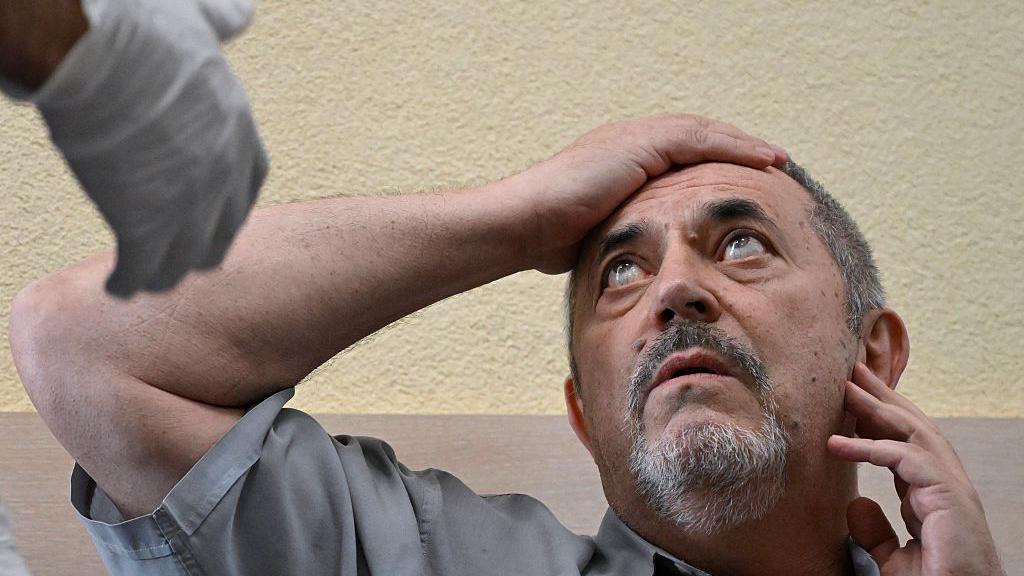
Boris Nadezhdin, 63, is another symbol of the state’s crackdown. The former member of parliament was convicted of “displaying extremist symbols,” a charge that bars him from collecting signatures that would allow him to run in the September parliamentary elections. Nadezhdin had earlier attempted to stand for president on an anti‑war platform, but was blocked when electoral authorities found flaws in his signature list. He had been previously declared a “foreign agent” but remained a candidate until the conviction. Now he can appeal but is also fined 1,000 roubles, and all of his accounts have been frozen, meaning he cannot pay the fine.
Nadezhdin insists the charges “are designed to silence him and stop him running for the Duma.” He also said he would not be able to pay the fine because his accounts are frozen.
The crackdown comes as Russia’s political landscape has narrowed dramatically. The state‑run presidential nomination process silenced many opposition voices, and the recent death of Alexei Navalny has left the country’s main opposition leader absent. The Kremlin maintains that any dissent against the war in Ukraine is illegal, but independent polls now show President Putin’s approval has slipped to the mid‑60s, down by 5 points in the last month.
These cases illustrate the broader pattern of Russian authorities using legal measures to silence dissent, reinforce the war’s legitimacy and stifle any credible opposition. The international community, particularly European countries, remains wary that such actions are a tactic to stifle free speech and democratic governance.