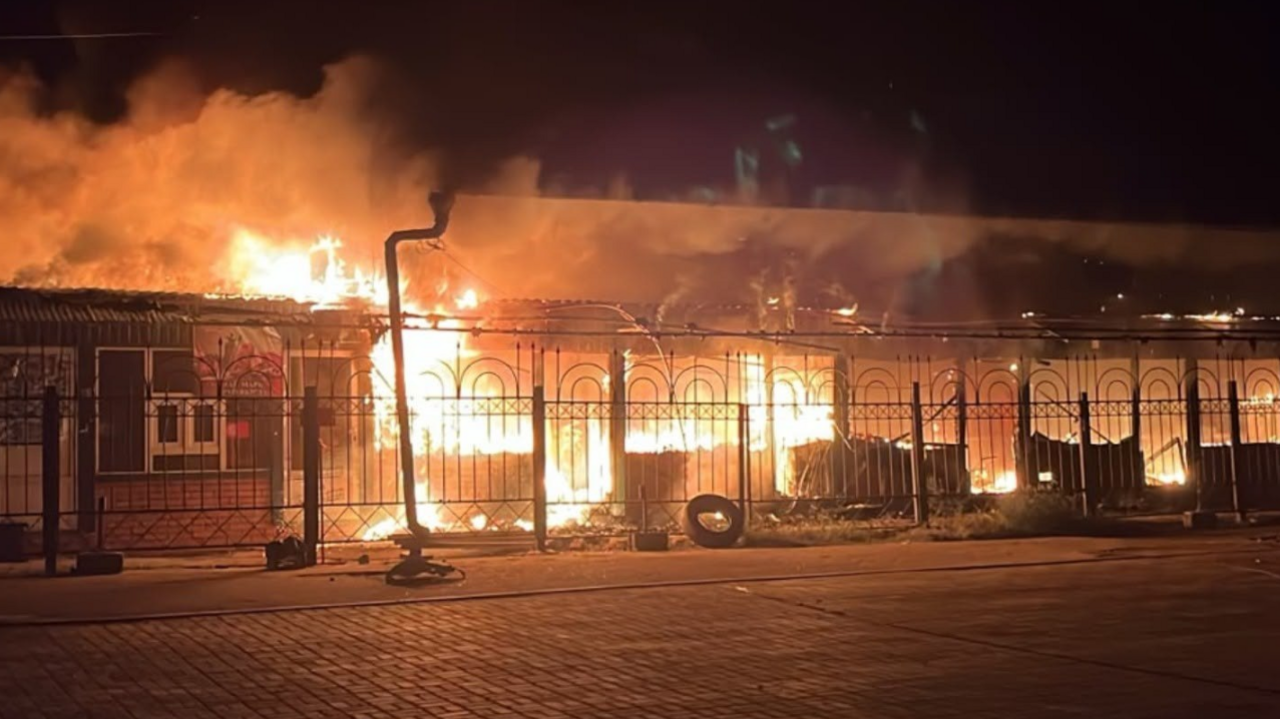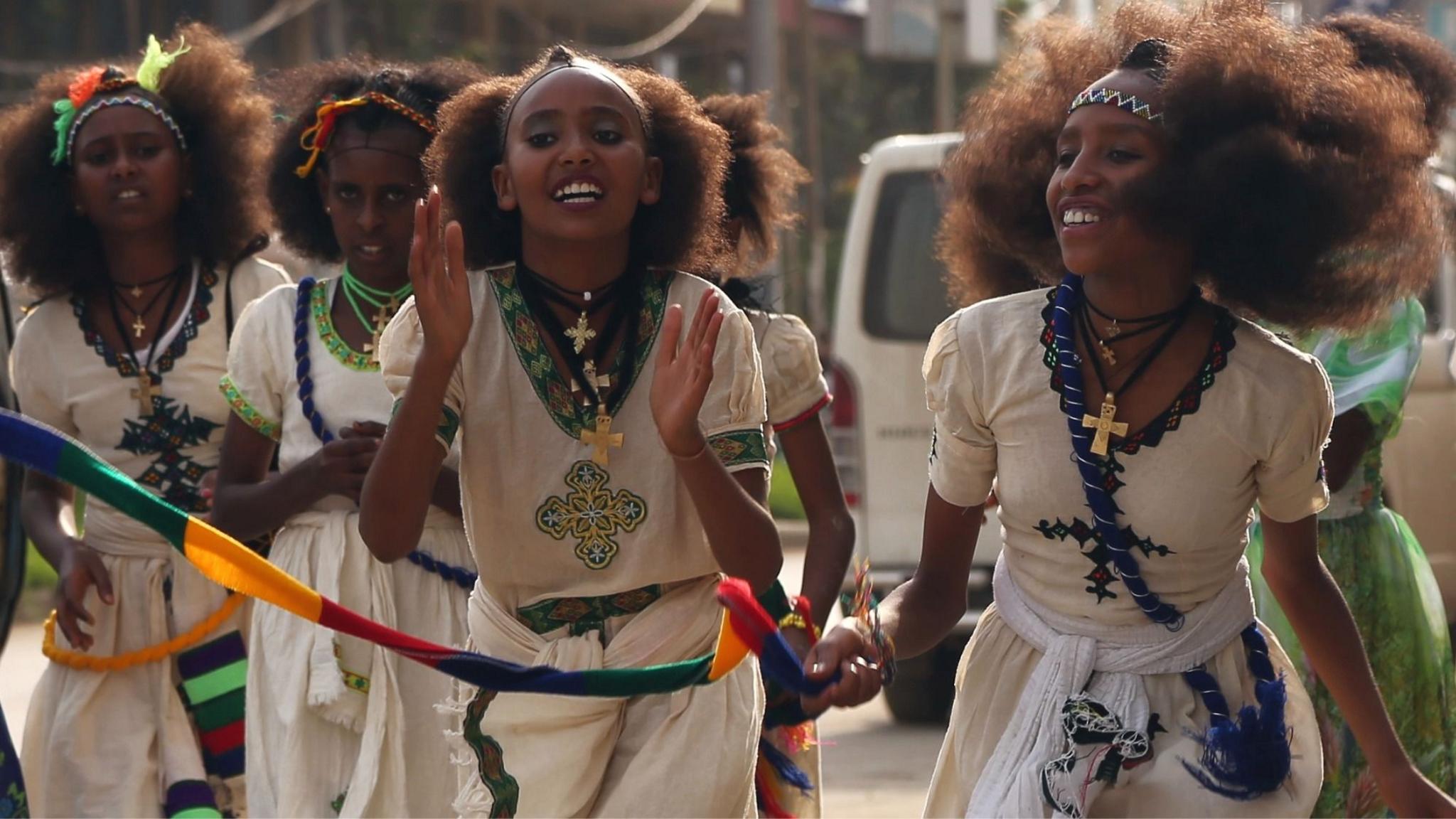
In Mekelle, the capital of Ethiopia’s Tigray region, preparations for the yearly Ashenda festival — a jubilant celebration of the Virgin Mary and a showcase of women’s culture — were abruptly halted. Authorities warned that the gathering could become a target for drone strikes, which have surged in the area.
The festival, whose name means “tall green grass” in Tigrinya, is a cherished tradition. Every November, girls and young women dress in white, braid their hair in a special style, and roam the streets in celebration, something normally forbidden at other times of the year. The event usually culminates in a roar of music and dance at a local stadium, drawing thousands of spectators.
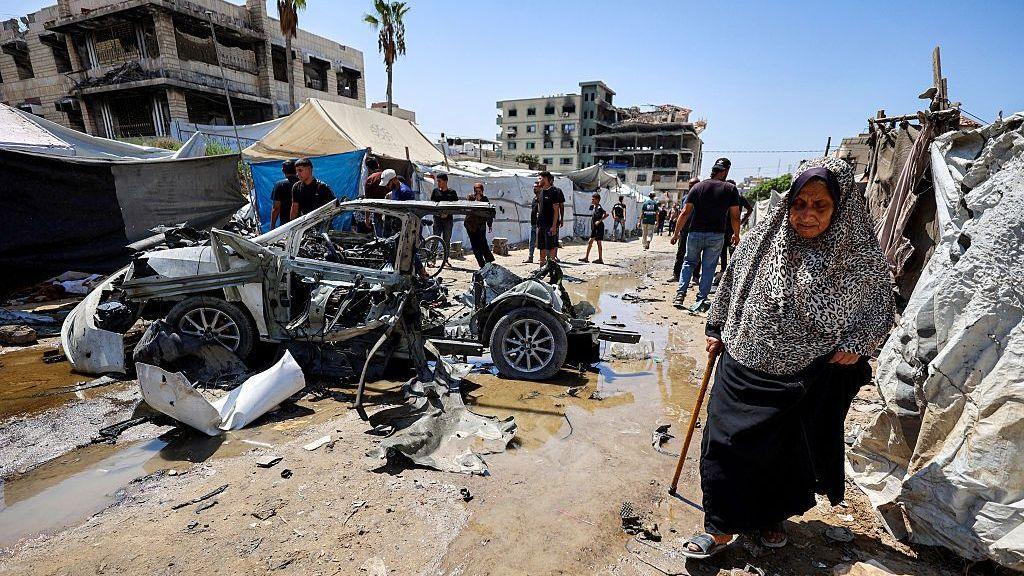
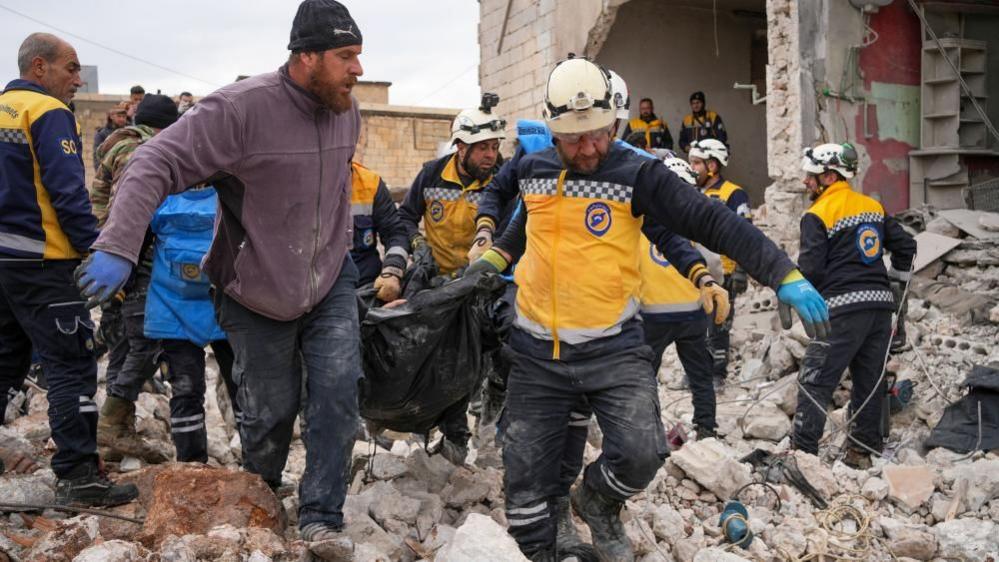
Tigray has only recently emerged from a two‑year civil war that ended in 2022. The region’s fragile peace has been punctured by a series of drone attacks in recent weeks: a strike on Thursday left 13 civilians wounded and homes damaged; earlier incidents near Dandera and in the Raya‑Alamata district killed at least four people. The Tigray communications bureau reported these incidents and called on the international community to condemn the attacks and take urgent diplomatic action.
Head of the Tigray culture and tourism bureau, Dori Asgedom, announced that the stadium event would not go ahead, citing the “ongoing drone strikes and the threat of war.” He added that “the drone attack on innocent citizens in Mekelle is an act that history will not forgive and should be condemned.”
Political tensions between the Tigray People’s Liberation Front (TPLF) and the federal government have since resurfaced. The TPLF removed the interim administration established under the 2022 peace deal, reviving its pre‑war council, while both sides accuse each other of failing to fully implement the agreement. The fear that the conflict could revive has cast a shadow over the region’s cultural life and its people’s hopes for normalcy.
With the Ashenda festival put on hold, many in Tigray question whether cultural traditions will endure in an environment of looming violence. The decision underscores how the lingering conflict has begun to erode the fabric of daily life, even in moments that once fostered communal joy and collective identity.