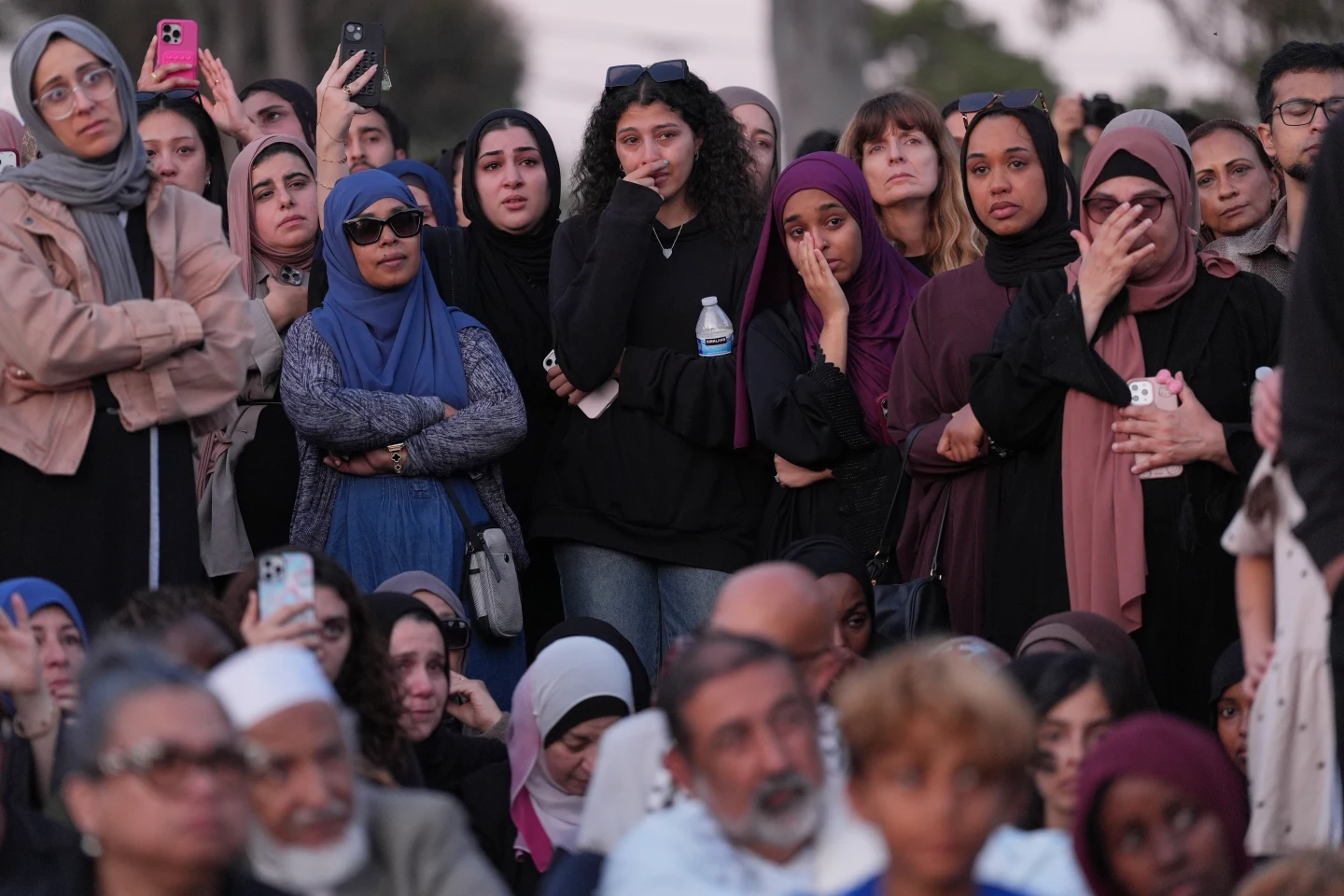
When the lights go up in a Las Vegas convention hall, true‑crime fans, podcasters, prosecutors and victims’ families fill the room, all eager to learn something new about criminal investigations.
CrimeCon began in 2017 with just 800 attendees, and it has grew to 6,500 this year, including those who paid as much as $1,600 for a VIP experience. The event is commercial, but many say it is also a place for advocacy.
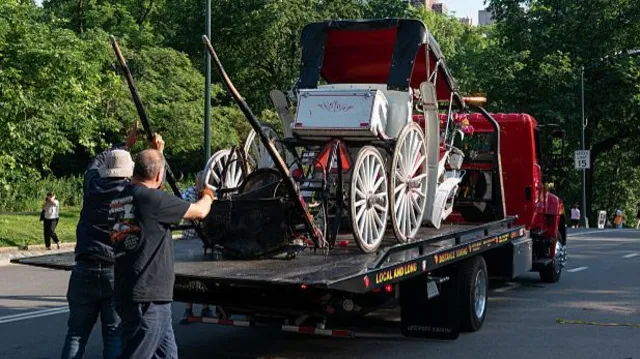
Dr Maggie Zingman, a trauma psychologist from Los Angeles, attended CrimeCon to spread the story of her daughter Brittany Phillips, who was murdered in 2004 and whose case remains unsolved. Zingman has taken thousands of rides in a brightly‑painted car across the country, telling the world about Brittany’s case, and she says the convention gives her a chance to reach thousands who might otherwise never hear about the tragedy.
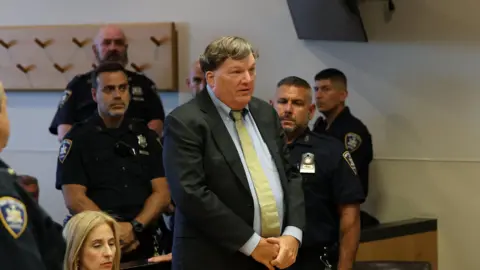
Other families make use of CrimeCon’s booths. The parents of Kaylee Goncalves and her brother, who were murdered by Bryan Kohberger in Idaho, set up screens that show the victim’s portrait, explaining the domestic‑violence prevention work their foundation does. Providers such as the National Center for Missing and Exploited Children also have booths, and they use the platform to raise awareness and resources.
While the black‑and‑white walls are lined with posters for missing‑person cases, an entire merch store sells CrimeCon‑branded mugs, shirts and “Crime‑Scene‑Tape” leggings. The event has a heavy emphasis on women; most attendees are female, and some carry a neon sign that says “Be Safe Girl” with a rainbow‑hued whistle as a reminder.
Critics argue the event thrives on people’s fascination with murder, but the creators claim they have made an effort to turn the focus toward victims. Annually, “The Crimefighter of the Year” award is given to survivor charities, like the group that supports victims of Jeffrey Epstein.
Some attendees see CrimeCon as a place where they learn more about human behaviour and how crimes are investigated. A survivor of a sexual assault, Nicole Earnest‑Payte, said the convention is about “walking away learning something about human behaviour, the complexity of humans, how crimes are investigated”, not just horror.
And when the biggest headlines are about missing‑persons and domestic violence, the attendees can keep their niche focus while engaging in debates about private