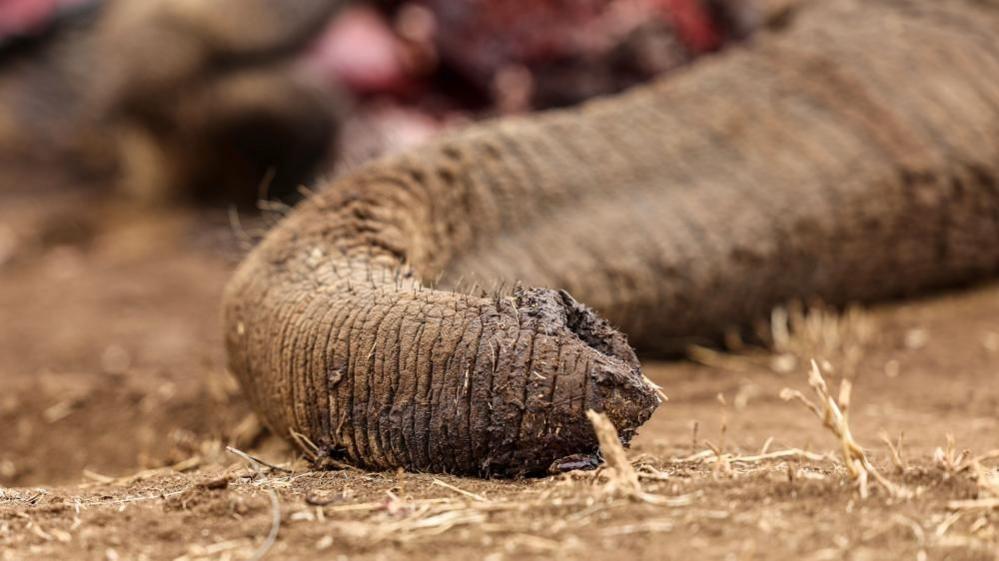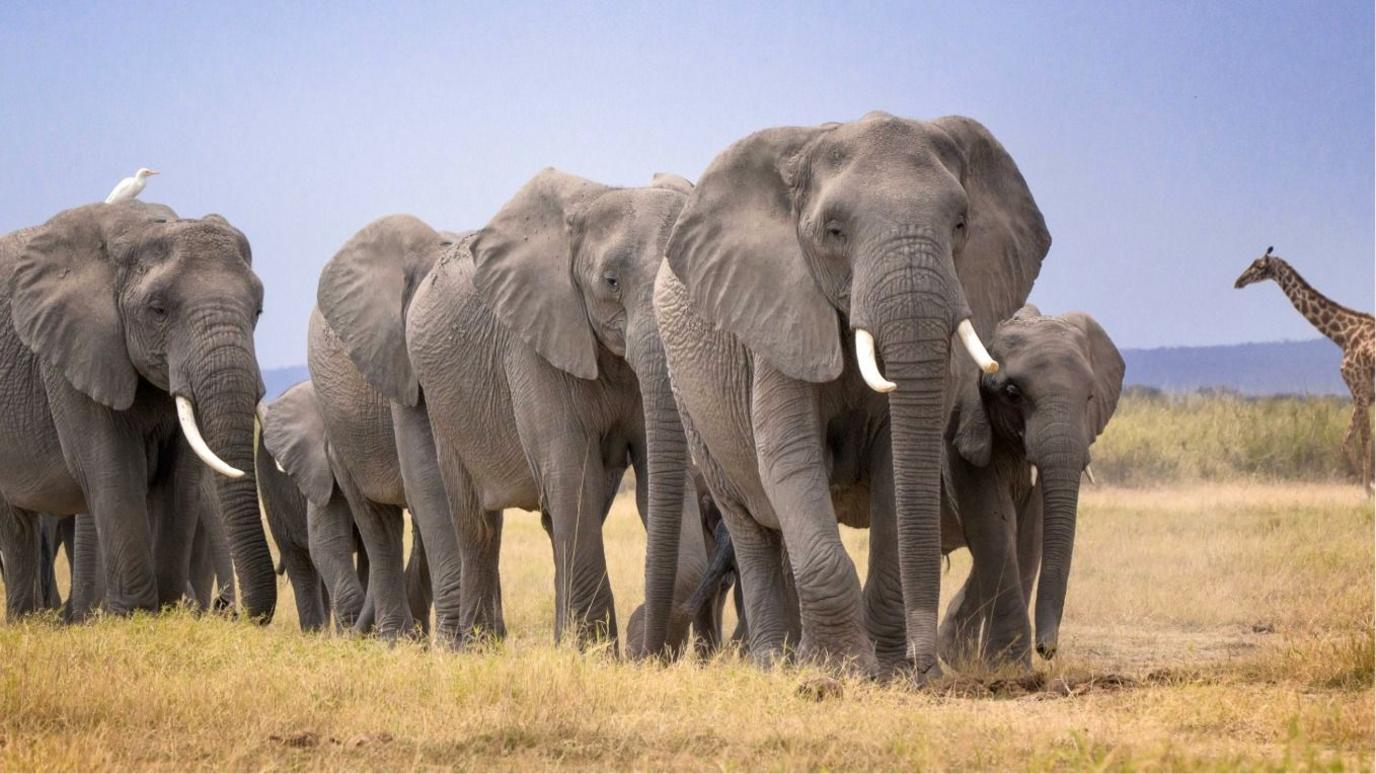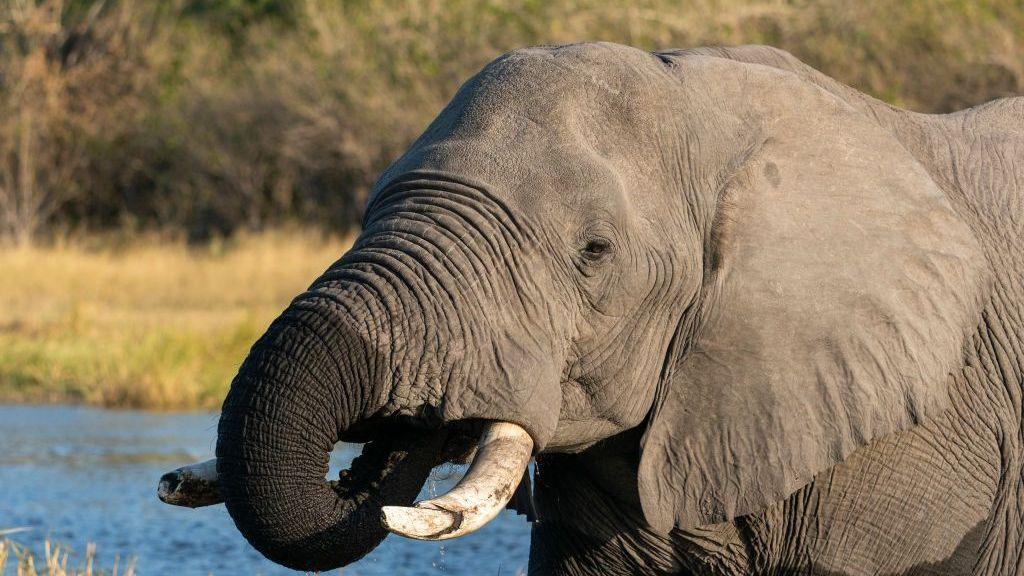
Botswana has authorised the killing of 23 elephants and other wild animals to provide meat for a national feast celebrating sixty years of independence, a decision that has drawn sharp criticism from conservationists and community members alike.
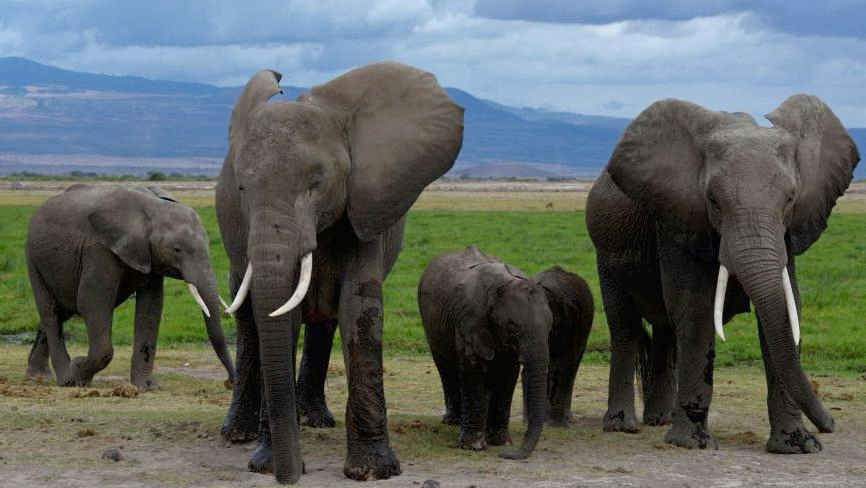
The Ministry of Environment and Tourism issued licences for the hunt, describing the meat as a complimentary provision for the celebrations. The Elephant Protection Society warned that such a move could undermine stewardship of the country’s more than 130,000 elephants, and that it could give the impression that killing the animal is acceptable when sanctioned by the government.
Local residents expressed concern over the cultural significance of elephants and cited the outbreak of foot‑and‑mouth disease, which has prompted authorities to tighten food safety measures. One elder from the tourism town of Maun suggested that buffalo should have been provided instead, arguing that elephants are integral to the region’s identity and ecological balance.
The government has maintained that regulated hunting is a necessary strategy for managing elephant populations, which often encroach on farms and hurt infrastructure. The policy also generates revenue that is earmarked for conservation projects and local development; for example, a 2025 quota of elephant hunts raised about 15.6 million pula (roughly one million US dollars) for protection initiatives.
Botswana’s hunting narrative has fluctuated in recent years. Trophy hunting was banned in 2014 during a former president’s administration, lifted after five years, and has continued under successive leaders, including the current president who won office in 2024. Proponents argue that hunting economic and practical benefits for communities living adjacent to dense elephant ranges.
Critics remain sceptical about whether current hunting volumes are sustainable. They point to ongoing human‑elephant conflict where the animal may destroy crops, damage property, or pose a danger to people, especially as elephant movements increasingly intersect with commercial farming.
The decision to use elephant meat in a congratulatory feast has revived a long‑standing debate over the role of wildlife in Botswana’s national identity and economic future. How the country balances its status as a megafauna haven with the needs of its people will shape conservation outcomes for years to come.