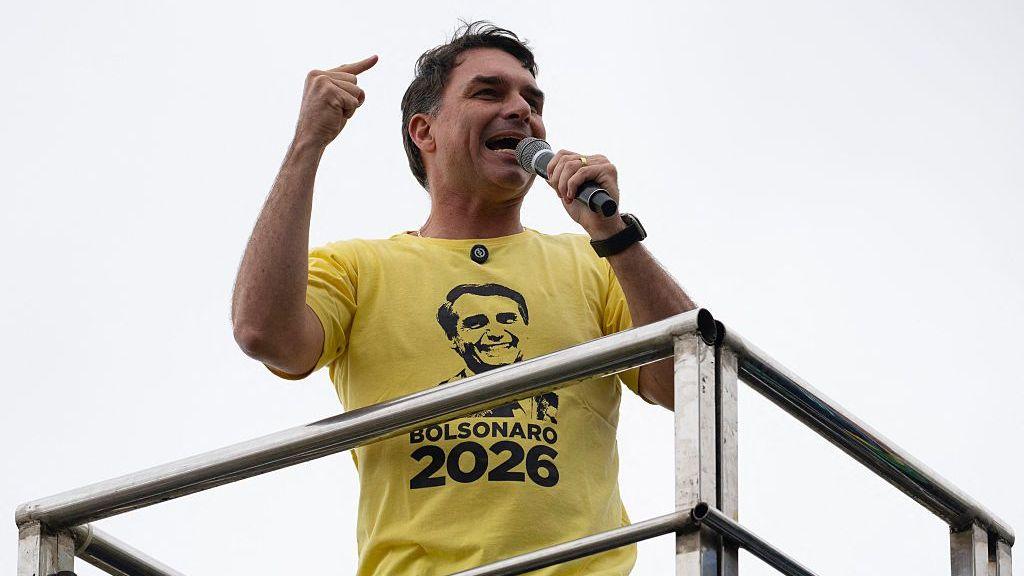
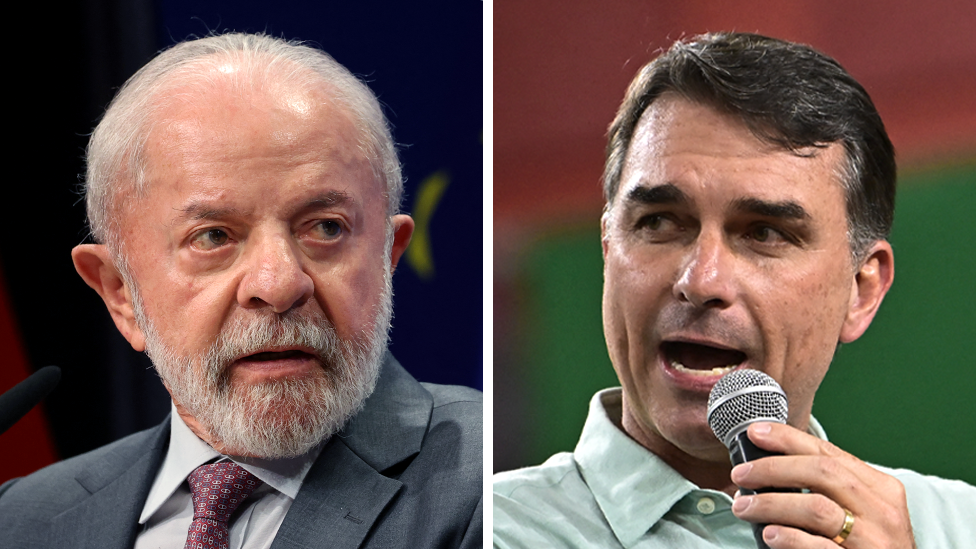
In Brazil, a sharp political divide is heating up as the country heads toward its next presidential election. President Luiz Inácio Lula da‑Silva faces a challenge from Flavio Bolsonaro, who is not only the son of former President Jair Bolsonaro but also aligned with former U.S. President Donald Trump’s policies.
Lula has repeatedly accused the United States of encouraging workers to focus on right‑wing interests that benefit Washington more than Brazil. He claims that U.S. officials have pushed a narrative that favors Bolsonaro’s camp, risking interference in the flow of public opinion.
Washington’s relationship with the right‑wing faction has been strengthened in recent months, spurred by proposals on trade tariffs and security cooperation. Critics argue that these moves could give the U.S. leverage to shape election outcomes, either directly or through economic pressure.
The stakes go beyond politics. Organised crime groups, notorious in Brazil, could exploit any instability, while fears around sovereignty loom as foreign sponsors provide strategic and financial aid to one side of the race.
Bureau of International Affairs experts have warned that assaults on democratic institutions may erode public confidence. They note that the interplay of trade, security, and political messaging could produce an election environment where external actors hold significant sway.
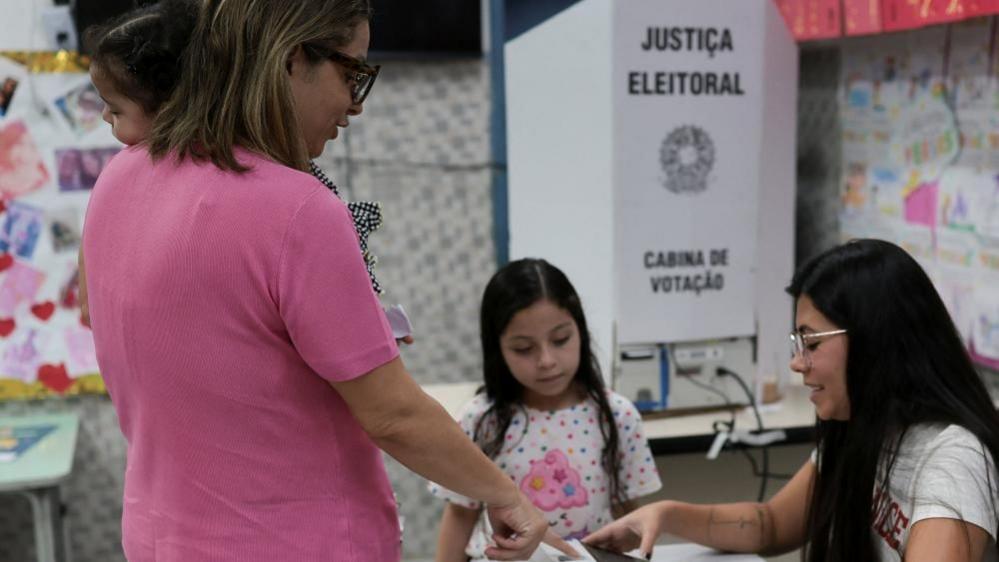
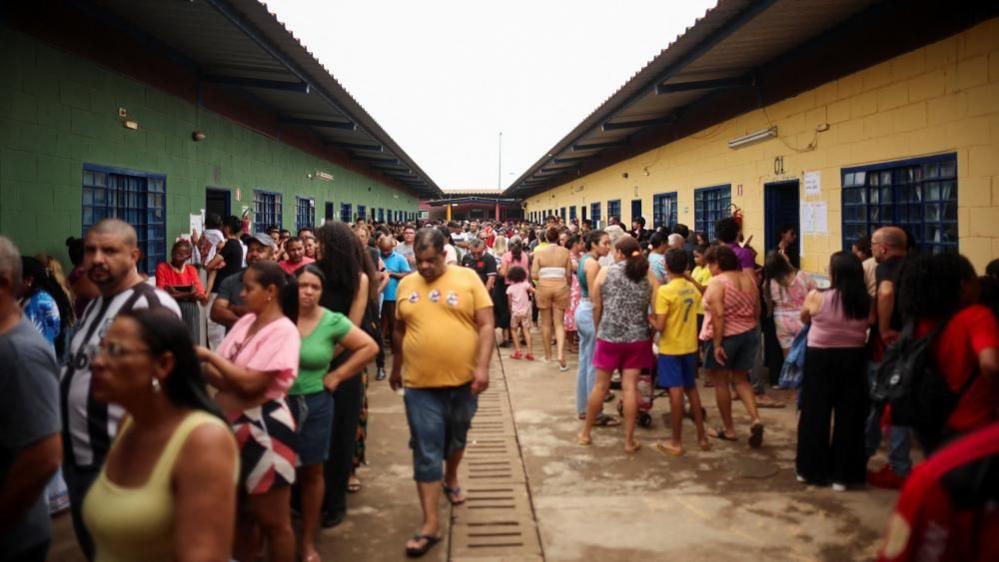
While Brazil’s electorate is free to decide, increasingly complex global ties paint the election in a new light—one that underscores the importance of transparent campaigning, fair media coverage, and the necessity to safeguard national institutions from foreign whims.