
In brief
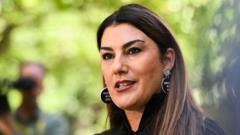
During an event in Canberra, Senator Lidia Thorpe interrupted King Charles III, declaring, "You’re not my King," reiterating her stance against the British monarchy and calling for reparations and a treaty for Indigenous Australians, reflecting broader debates on colonial history.
Lidia Thorpe, a prominent Australian senator representing Victoria, has made headlines once again by heckling King Charles III during his visit to Australia. The Gunnai, Gunditjmara, and Djab Wurrung woman expressed her deep-seated discontent with the monarchy, voicing her belief that the King does not hold sovereignty over Australia. This incident has reignited discussions regarding the implications of British colonization on Indigenous peoples in Australia.Since being elected in 2020 as the first Aboriginal senator in Victoria, Thorpe has consistently voiced her opposition to the British monarchy. In a notable gesture during her parliamentary swearing-in ceremony, she referred to the late Queen Elizabeth II as a "colonizer," a statement reflecting her ongoing activism for Indigenous rights and recognition.Thorpe's views, while controversial, highlight the historical grievances held by many Indigenous Australians. She has criticized the monarchical representation in Australia, emphasizing that British settlement resulted in profound injustices, including the massacres of Indigenous populations. After being escorted out of the Great Hall for heckling the King, she reiterated her belief that he is not a legitimate authority in Australia, as true sovereignty resides with the Indigenous peoples of the land.Following her protest, Thorpe articulated her view that the monarchy has profited from the exploitation of Aboriginal land and wealth, insisting that meaningful reparations and a framework for treaty negotiations must be established. She argued that the country can only advance by addressing the historical injustices faced by First Nations peoples.Although her views resonate with a segment of Australian society, they are not universally accepted among Indigenous leaders. Some leaders, such as Allira Davis from the Uluru Youth Dialogue, have called for a recognition of the diverse cultural landscape of Australia, emphasizing the need to prioritize First Nations voices while also advocating for Australia's evolution into a republic.Despite facing internal pressures and criticism for her unyielding stance against the monarchy, Thorpe remains steadfast. She aims to provoke dialogue on the treatment of Indigenous people and the need for transformative change that recognizes the nation's complicating colonial history. Ultimately, her protest serves as a reflection of the broader tensions surrounding Australia's identity and the ongoing struggles for recognition and equality among Indigenous Australians.


