
In brief
Analyzing the implications of Trump’s appointments reveals a clear adherence to his prior policies, especially in immigration and foreign relations.
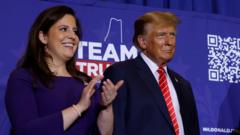
As Donald Trump embarks on his second term following a recent victory, the framework of his administration is emerging through a series of key appointments that reflect a commitment to a hardline political agenda. Notably, Trump has named Congresswoman Elise Stefanik, a vocal critic of China, to serve as the US ambassador to the United Nations, a decision signaling potential confrontations with foreign powers.His staffing choices to date include a hard-edged immigration team geared towards fulfilling his campaign promises regarding undocumented migrants. Stephen Miller, a longstanding ally known for crafting strict immigration policies, has been selected as the deputy chief of staff for policy. He is expected to spearhead initiatives aimed at mass deportations, signaling a shift in the administration’s immigration strategy. In tandem, Thomas Homan, the former head of ICE and now dubbed the "immigration tsar," has pledged to lead a comprehensive removal force, reinforcing Trump's past rhetoric on immigration enforcement.Trump's foreign policy lineup further showcases a shift towards a confrontational stance, particularly concerning China. Mike Waltz, a congressman and retired Army colonel, has been appointed national security adviser, aligning with conservative sentiments that regard China as a primary national security threat. The emphasis on China is echoed in Stefanik’s prior remarks about election interference and in the potential nomination of Marco Rubio for the secretary of state role, a position many speculate will maintain the previous administration's tough stance against Beijing.In an unexpected move, tech magnate Elon Musk has joined the transition team, advising on administrative efficiency and engaging in discussions about future cabinet selections. Musk's involvement marks a departure from traditional political appointments, hinting at a push for modernization and fiscal discipline in Trump’s government.Amidst this reshuffling, the approach taken by Trump appears to favor expanding executive power over collaborative governance with Congress. Trump is advocating for more recess appointments, which would allow him to bypass Senate approval for significant roles, a strategy that stokes concerns about consolidating authority and undermining legislative checks.Lastly, the inclusivity of established Trump loyalists in these key positions highlights a strategic reliance on proven allies rather than conventional party figures. With appointments including Kristi Noem as homeland security secretary and Pete Hegseth as defense secretary, Trump seems to be prioritizing loyalty and reliability over mere political experience.As Trump’s administration takes shape, these appointments reflect an overarching strategy aimed at reinforcing his past policies while prioritizing personal loyalty—elements that could define the character of his second term. The realization of his ambitious agenda will depend on navigating the pressures and challenges of governance.


