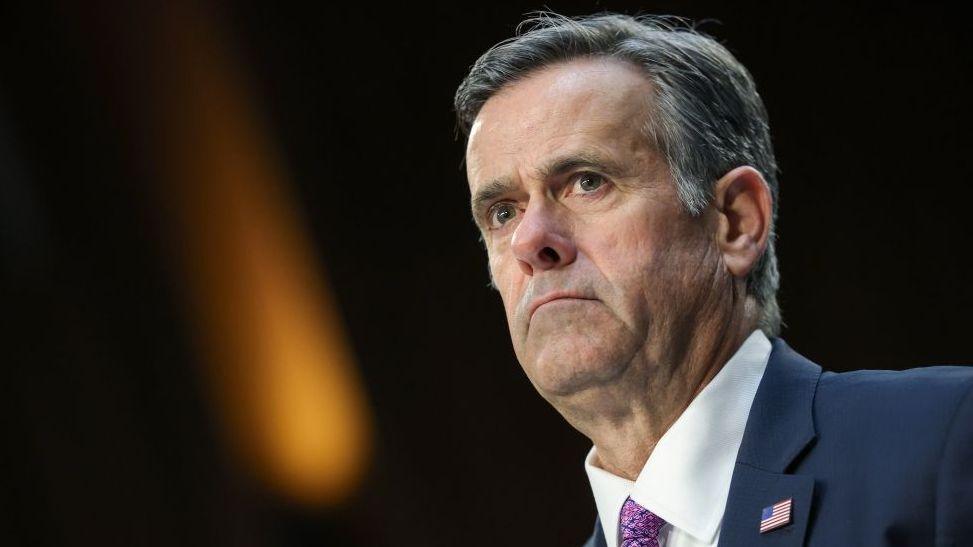
John Ratcliffe, the head of the US Central Intelligence Agency, has undertaken an unannounced visit to Moscow, arriving on a US military aircraft.
The Russian authorities confirmed that Ratcliffe met with Russian intelligence officials, including Sergei Naryshkin, the head of the foreign intelligence service.
Such a covert trip is rare; it last occurred in 2021 when CIA chief William Burns flew to Russia amidst mounting tensions over the Ukraine conflict. The timing suggests that the US intelligence community is taking the situation very seriously.
In the absence of a formal statement, reports by US officials and Politico analysts indicate that Ratcliffe’s purpose was to urge Moscow to avoid escalation regarding Ukraine and potential attacks on NATO member states, especially the Baltic republics.
Washington’s diplomatic strategy might also involve negotiating prisoner exchanges, discussing Russia’s military cooperation with Iran, or preventing a mass mobilisation of Russian troops—all issues that have drawn heightened scrutiny.
Observers note that Russia is under domestic pressure to respond decisively, and the Kremlin could use a low‑profile move—such as a selective strike on a Baltic state—to test NATO’s resolve without triggering Article 5. This risk is compounded by the fact that the Baltic states share a long border with Russian territory via the Kaliningrad exclave.
While no declarations confirm the mission’s content, the hidden nature of the trip and the high level of the meeting imply that the US is carefully balancing deterrence and diplomacy in a period of intense East‑West tensions.
As the world watches, the mystery surrounding Ratcliffe’s Moscow visit highlights the complex interplay of intelligence, strategy, and international relations in the current geopolitical climate.