
In brief
As Russian forces close in on Pokrovsk, volunteers work tirelessly to evacuate the remaining residents who face increasing danger in their war-torn city.
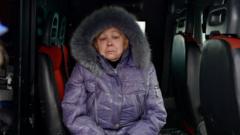
In the heart of a crumbling Ukraine, Anton Yaremchuk, a 35-year-old cinematographer turned humanitarian, embarks on a perilous mission to save lives in the beleaguered city of Pokrovsk. With Russian military forces lurking just 2 kilometers away, Anton is acutely aware of the risks he faces, especially from aerial drone attacks. In December, one such assault nearly claimed the lives of his team as shrapnel tore through their armored vehicle, leaving them with injuries but no fatalities. “Every mission could be my last,” he admits, reflecting on the harrowing reality of his work. The situation in Pokrovsk, once seen as a sanctuary amidst chaos, has rapidly deteriorated into a continuous barrage of assaults. Currently, approximately 7,000 civilians remain trapped in a desperate nexus of violence, many of whom are elderly and unable to flee. Anton, who abandoned his life in Berlin to establish his organization, Base UA, has since orchestrated the safe escape of 3,000 civilians away from the front lines into more secure territories. He details how Pokrovsk, previously a bustling hub with its own hospital and evacuation trains, is now on the brink of collapse. The city is pivotal for military supply lines, and its capture could have unprecedented repercussions for Ukraine, particularly following the closure of a vital coal mine. Before hitting the road, Anton dons his protective gear, equipped with a medical kit, and reminds his team to stay alert. Explosions crackle ominously in the distance as they approach the city, revealing the aftermath of ongoing warfare: desolate streets, abandoned homes, and a palpable sense of dread. The slow, heavy exodus continues as they pick up elderly residents, like Olga, who at 71, bravely leaves behind her home of 65 years. “It’s not life anymore,” she says, her face reflecting profound sorrow. As the team drives through Pokrovsk, Anton encourages everyone they see to evacuate, handing out flyers with information on available assistance. Yet not all are willing to leave. Some, like an elderly woman whose heart is tied to her son's resting place, resolutely decline. “I have stopped planning for the future,” Anton muses when asked about peace negotiations that may arise with shifting political tides. His reality is stark; he anticipates intensified violence rather than a cessation of hostilities, irrespective of any diplomatic dialogues. As his mission continues, Anton’s van fills with evacuees and their meager belongings, a poignant snapshot of lives uprooted by conflict. It’s a powerful reminder of the human cost of war, as they traverse a landscape marked by destruction and despair. With each journey, the toll of war becomes heavier, as dedicated volunteers like Anton face increasingly dangerous conditions. Just recently, another member of his team suffered grave injuries from a drone strike while aiding civilians. Despite the risks, efforts to rescue those still in peril continue, albeit with heightened caution. As Anton navigates the chaos of Pokrovsk, stories of resilience entwine with tragedy, leaving him with a heart heavy for the innocent lives disrupted by war. The chilling reality remains that as Russian forces draw closer, the remaining residents, mostly the elderly, wait helplessly in their homes, under the shadows of impending fate.


