In brief
Porter Airlines faced a controversial delay when a child refused to buckle into a seat belt, causing the flight to return to the terminal and passengers to be rebooked for the next day. The incident sparked a broader conversation about how airlines handle families with young passengers and the limits of parental authority in securing safety measures. Experts highlighted the risks of unrestrained children becoming projectiles in the event of turbulence or sudden maneuvers. Social media echoed mixed views ranging from calls for stricter enforcement to empathy for anxious young travellers, referencing past airline standoffs over similar situations.
Porter Airlines Flight Hit Record After Child Refuses to Wear Seat Belt
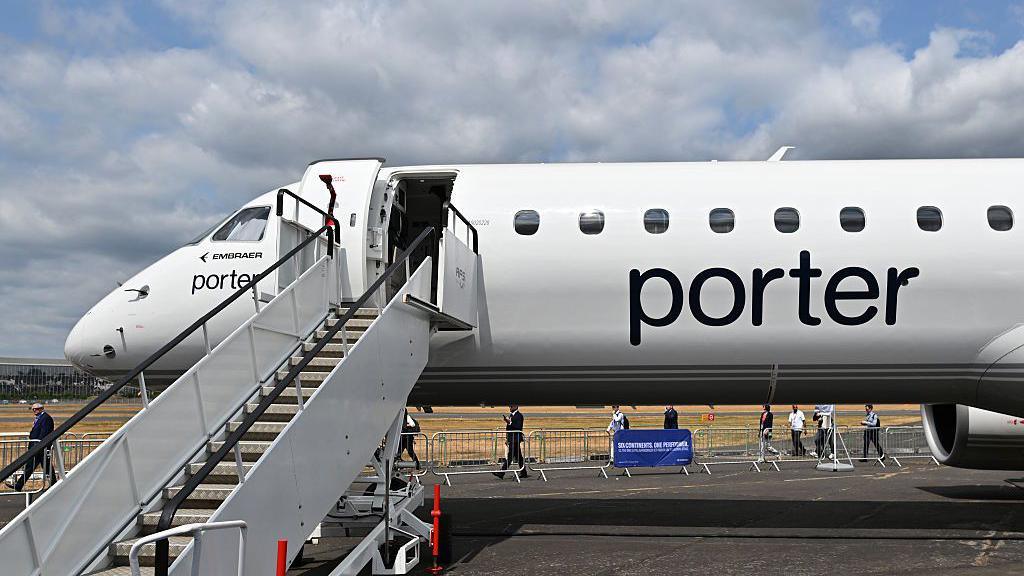
On August 6, a Porter Airlines flight scheduled from Victoria to Toronto was forced to return to the terminal because a young passenger could not secure the seat belt. The aircraft could not take off until runway closure, effectively cancelling the departure for that day, and all passengers were rebooked for the following day.
The airline noted that attempts by the parent and crew to calm the unrestrained child were unsuccessful. “The aircraft could not take off in this unsafe condition,” the airline said, citing the safety of all aboard.
Aviation expert Lia Tuso explained that unrestrained children are comparable to unsecured luggage; in turbulence and during take‑off and landing an unfastened child could become a projectile, endangering other passengers.
The incident has ignited a debate online about acceptable leniency toward families, with some calling for more stringent enforcement. In one interview, a host on a morning program urged physical discipline for children who refuse seat belt compliance, while others highlighted the child’s fear of flying rather than recklessness.
Past incidents of passengers being removed for seating non‑compliance—including a 2018 Southwest Airlines incident and a 2012 JetBlue case—have fueled the debate, while incidents from as early as 2012 have prompted accusations of a lack of humanity from affected families.
The conversation continues to unfold on social media, and experts urge that airline policies protect safety, but also recognize when young passengers may be anxious or fearful.