
In brief
On Thursday, anti‑immigrant protests in Soweto and Durban erupted into violence after a court approved asylum rights for some undocumented migrants. Protesters set at least twenty‑four cars ablaze, looted foreign‑owned shops, and forced foreign traders to abandon businesses in Soweto's Orlando West. Police used rubber bullets and issued arrests amid claims of clashes between locals and foreign nationals. The unrest follows a Constitutional Court ruling that removes restrictions on asylum claims, stoking anger among anti‑immigration groups. Authorities have vowed to hold those responsible for the destruction accountable while trying to manage a broader national crisis of xenophobia and inequality.
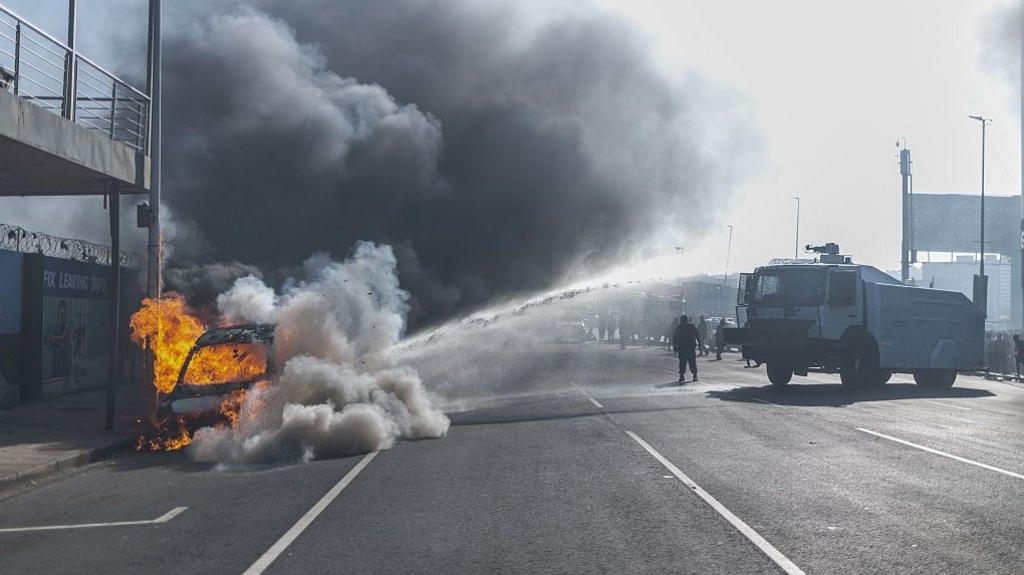
At least 24 vehicles were set alight and foreign‑owned shops looted during anti‑immigration protests that turned violent in Soweto and Durban on Thursday. The unrest followed a Constitutional Court ruling that allows some undocumented migrants to apply for asylum, fuelling anger among anti‑immigration groups.
Police said 14 cars were torched in Durban and 10 in Soweto, where gunshots were reported during clashes between residents and foreign shopkeepers. Acting national police commissioner Lt Gen Puleng Dimpane condemned the destruction of property and pledged to pursue those responsible.
In Orlando West, a Soweto neighbourhood, protests began with demands to close convenience stores operated by foreign nationals. Attacks on traders, forced egress from shops, and a building set on fire were reported by local media.
The court ruling strikes down restrictions that previously prevented some migrants from seeking asylum because of how they entered South Africa or missed immigration deadlines. It means asylum seekers can submit applications even without required documents, but officials stress applications will still be assessed individually.
South Africa has a long history of xenophobic attacks, with over 60 people killed in 2008 alone. The latest violence underscores the country’s struggle with poverty, inequality and high unemployment, which fuel resentment toward foreign migrants who are often blamed for alleged job loss and crime.
Authorities have urged calm and promised to investigate the violence while managing the broader national debate over immigration and public safety.