China Achieves First Reusable Rocket Landing
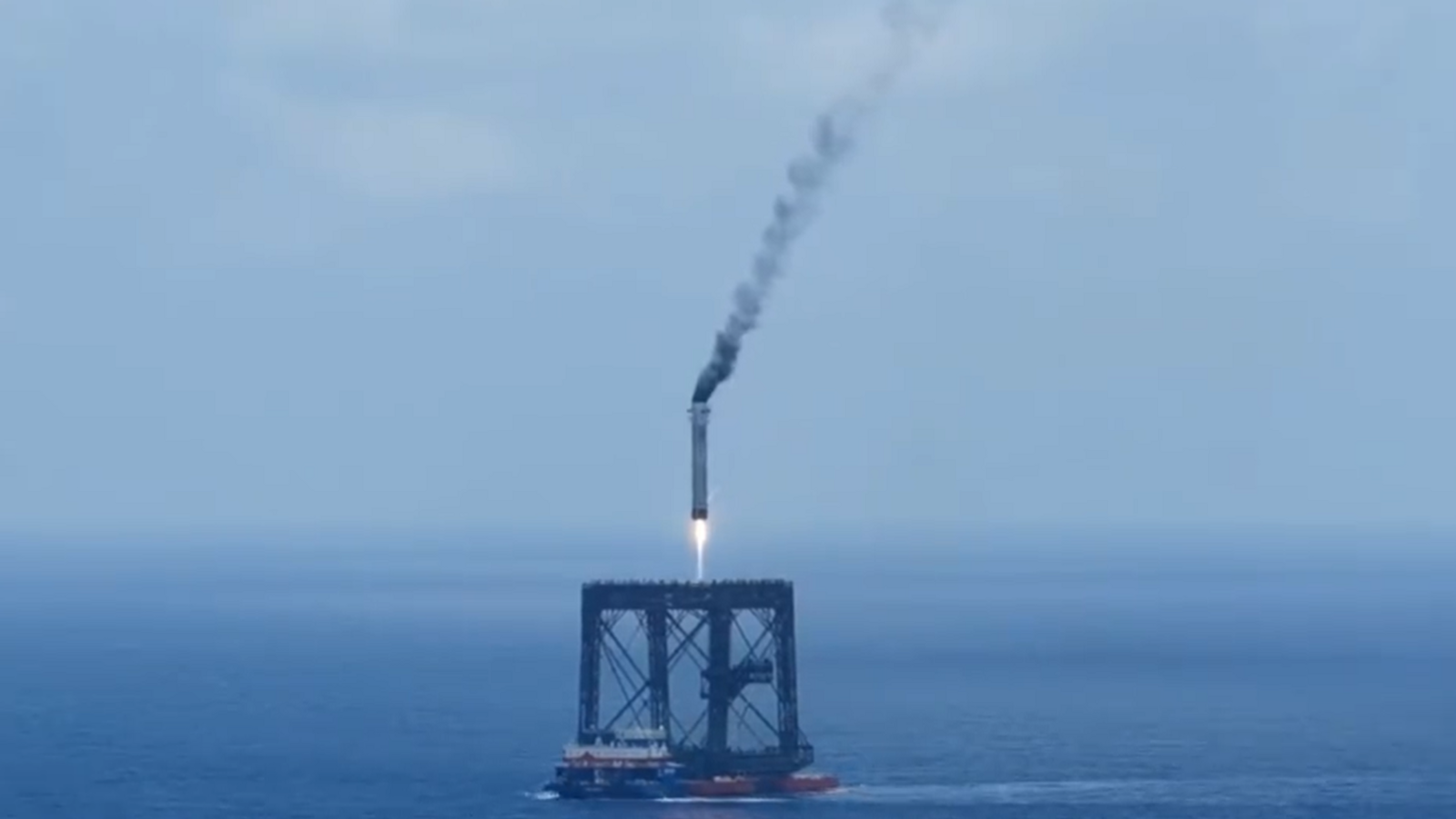
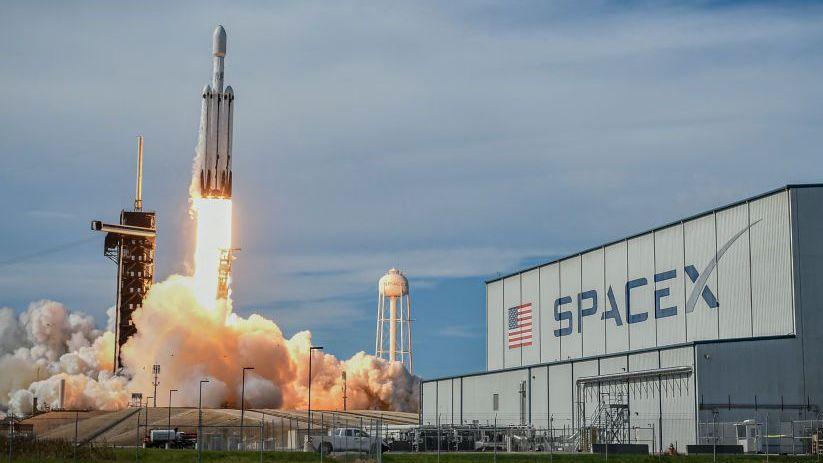
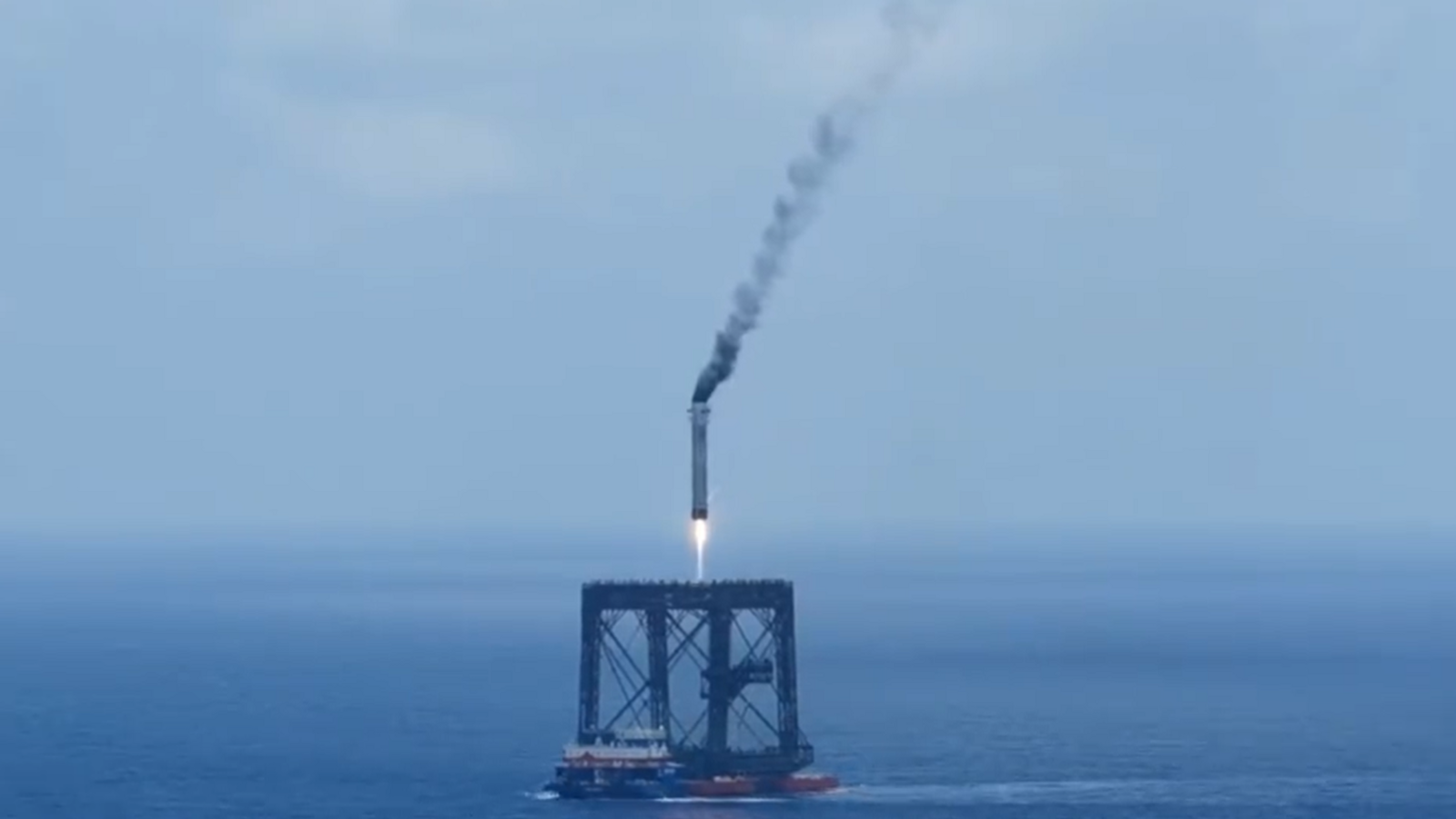
The China Aerospace Science and Technology Corporation announced that the Long March 10B rocket lifted off from Hainan at 12:15 local time (04:15 GMT) on Friday and that its booster returned to Earth approximately six minutes after separating from the upper stage. The booster was captured by landing hooks that brought it onto a floating recovery platform. This marks China’s first time achieving a reusable rocket landing, a milestone that has the potential to shift global dynamics in low‑Earth‑orbit deployment. Both SpaceX and Blue Origin have demonstrated similar capabilities, and the new achievement may calm concerns over American dominance in spaceflight technology.
Reusable boosters are regarded as the most expensive component of a launch vehicle, and their reuse can dramatically reduce the cost of satellite launch and exploration missions. China’s Long March 10B, capable of delivering at least 16 metric tons to orbit, is now compared to SpaceX’s Falcon 9. Unlike the Falcon 9, the Long March 10B does not autonomously land; instead, landing hooks secure a net attached to a platform at sea. This approach, while different, still achieves the same aim of safe recovery.
Following the announcement, shares in Chinese space firms jumped. China Spacesat and China Satellite Communications both rose by 10%, hitting the daily limit allowed by the country’s financial regulations. The market reaction underscores growing confidence in China’s expanding space capabilities and the potential for cost‑effective launch services. The successful landing is a significant achievement that will likely influence future strategic decisions in the global space sector.