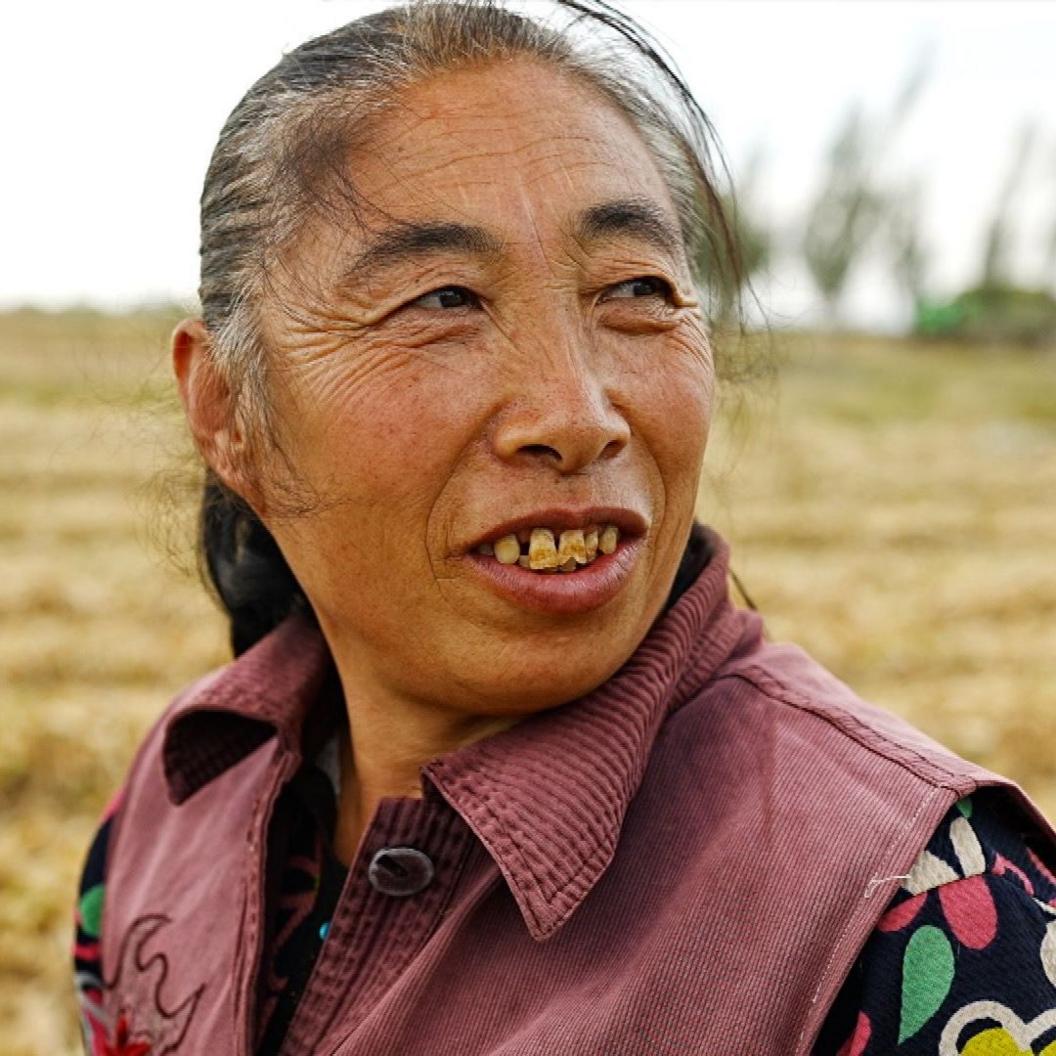
In the expansive grasslands of Inner Mongolia, farmers are picking plump potatoes alongside huge, rectangular blocks that will fuel China’s AI platforms.
Ulanqab, known as China’s “potato capital”, now hosts construction sites for a growing number of data centres aimed at powering generative AI. Workers in yellow helmets haul heavy equipment, while cranes assemble rooftop panels and engineers oversee electrical phases—every infrastructure project moving at a pace that locals joke is “China speed.”
The data centres belong to leading tech firms such as Huawei, ByteDance and DeepSeek and are supported by large wind and solar farms, reflecting Beijing’s goal to power them with green energy by 2030. Yet the supply chain still relies on coal in many regions, and water shortages in arid parts of Inner Mongolia remain a concern.
Beyond the concrete, the project is training a new generation of engineers and researchers. Young talent in China, drawn by national programmes, now see the country as a place where AI can be applied to health, fusion research and drug discovery. Yet some critics argue that the culture still rewards conformity, making innovation harder.
Local residents, however, are divided. While a farmer named Zhang speaks optimistically about jobs created for his children, a nearby villager remains skeptical, saying “Big data and all that…pretty good – but it has nothing to do with me.” He notes no jobs have appeared for him, and he worries about land loss and the future of his livelihood.
China’s AI push coincides with an escalating rivalry with the United States, where the Biden administration has imposed restrictions on chip sales to China. Beijing, on the other hand, promotes open‑source AI models to spur rapid innovation despite the lack of advanced chips. The momentum behind these data centres underscores a broader ambition: to embed AI across society and secure a prominent place on the world’s digital frontier.