
In brief
After nearly two years of research on nuclear explosions, US seismologist Chen Youlin was arrested in Beijing, sparking international debate over academic collaboration and human rights. Chinese authorities charged him with espionage, a crime that carries severe penalties, while advocacy groups report limited legal representation and medical care for the detainee. US Senator Edward Markey warned that the case could deter scholars from engaging with Chinese partners, and human‑rights organizations have called for his release. The detention also follows a recent arrest of another US scholar, highlighting tensions over security and academic freedom in Beijing.
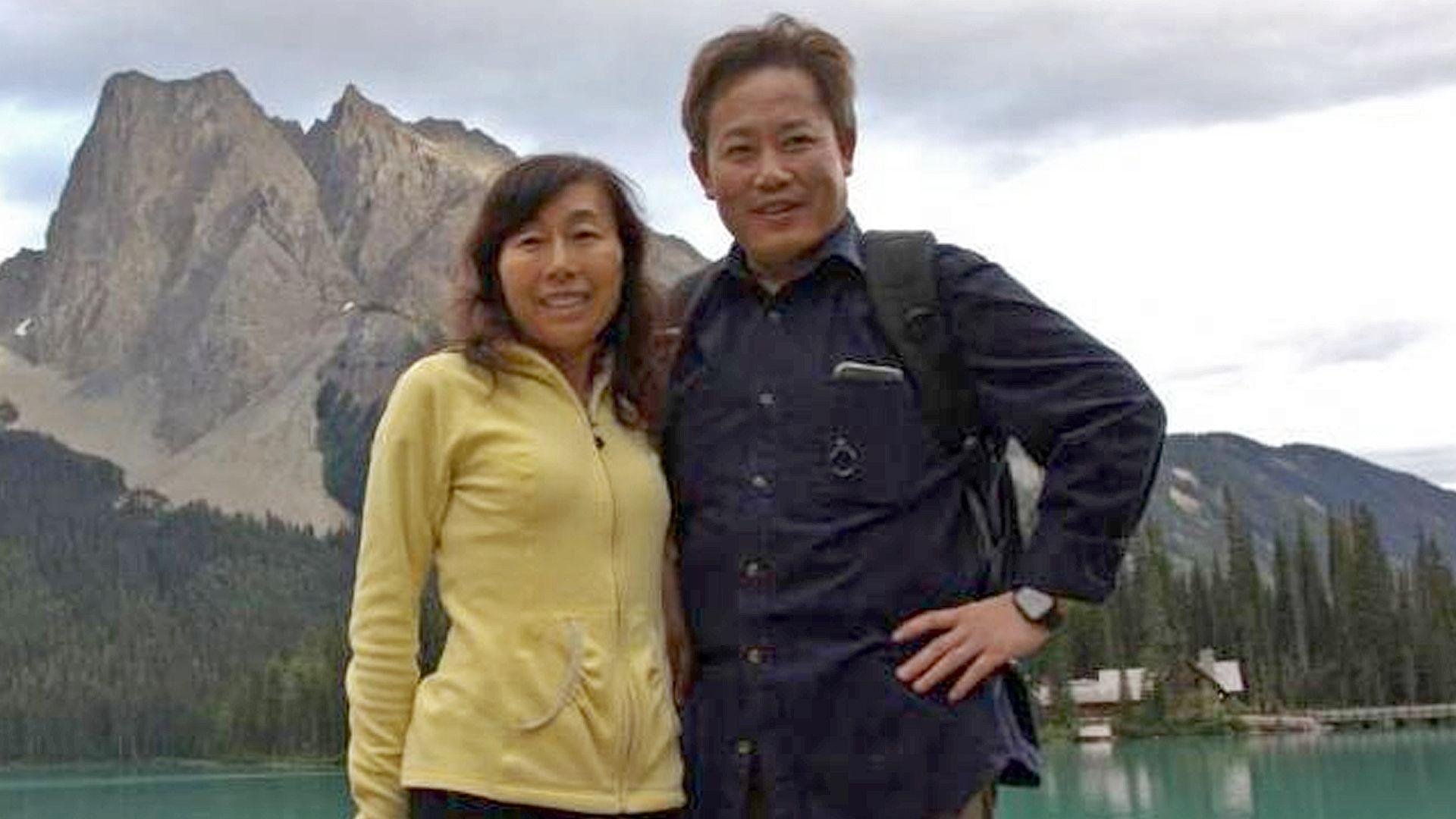
According to advocacy group Global Reach, a US citizen seismologist, Chen Youlin was arrested in Beijing last November while visiting family, after nearly two years of research on nuclear tests in North Korea.
Chen, a seasoned seismologist, collaborated closely with Chinese colleagues on seismic data projects, always emphasizing transparency; yet China has charged him with espionage, a serious offence that can lead to life imprisonment.
He has been detained without access to a lawyer for the first 13 months of his confinement, raising concerns from U.S. Senator Edward Markey, who warned that the case could deter scholars from engaging with Chinese peers.
Human‑rights groups cite that Chen’s chronic illnesses—diabetes, high blood pressure and high cholesterol—require medical care not available under his current conditions, and he has been designated as “wrongfully detained” by U.S. authorities.
China’s foreign ministry remains silent, stating that judicial authorities are applying the law, while U.S. analysis suggests the arrest may be linked to Beijing’s possible underground nuclear activities. The detention follows the arrest of American scholar Min Zin, highlighting growing tensions over security and academic collaboration in Beijing.

