China Outshines the U.S. in Global Favorability, Pew Study Reveals
The latest Pew Research Center survey, which polled more than 42,000 people in 36 countries between February and May, shows that 25 of those nations now favour China over the United States in general opinion. This marks the first time the think‑tank has recorded a broader global preference for Beijing.
Interviewed participants were asked to choose from very favourable, somewhat favourable, somewhat unfavourable or very unfavourable opinions about each superpower. The results reveal that favourable views of China reached record highs in several countries—including Spain, Italy, Colombia, Mexico, Indonesia, Malaysia, Nigeria and Turkey—where more than 50% of respondents expressed positive sentiments toward China.
In contrast, favourable views of the U.S. have steadily declined over recent years. While earlier dips were noted in 2008 at the end of President George W. Bush’s term and in 2017 at the start of Trump’s presidency, the most recent poll shows a more pronounced erosion of U.S. favourability. Only six countries—Poland, the Philippines, South Korea, India, Japan and Israel—still show more believers in the U.S. than in China, largely reflecting strong diplomatic and military alliances.
Confidence in Leadership
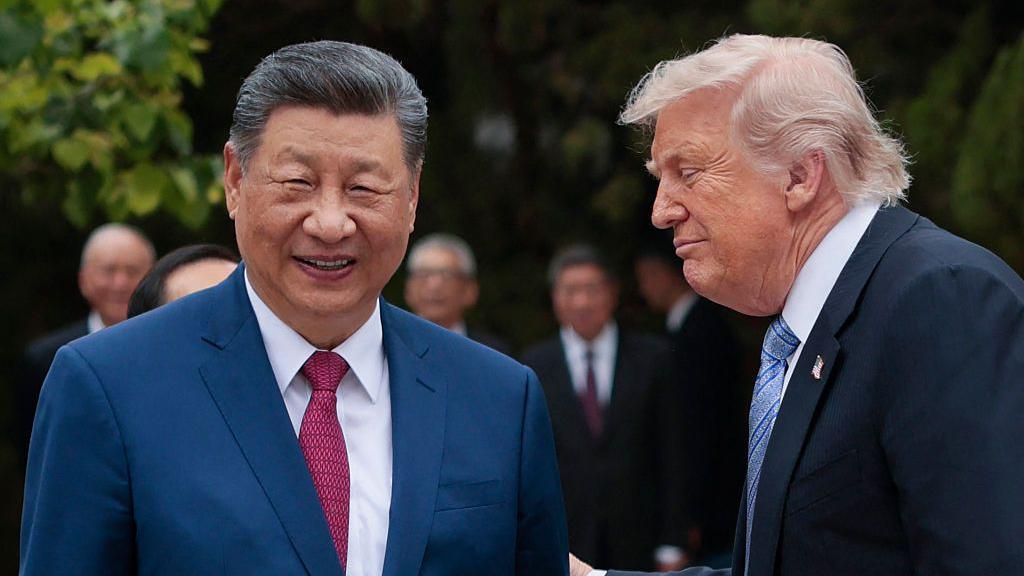
The survey also measured confidence in the leaders themselves. Confidence in both Chinese President Xi Jinping and former U.S. President Donald Trump was generally low, with most scores below 50%. Nevertheless, Xi received higher confidence ratings than Trump across the board. For example, Pakistan gave an 83% confidence score to Xi, while Japan’s score was just 7%. Trump’s highest confidence rating was 68% in the Philippines, and his lowest was 4% from West Bank/East Jerusalem.
Perceptions of Interference
Respondents were also asked how much they believed each superpower interferes in other countries’ affairs. The study found that 75% of participants in middle‑income countries felt the U.S. interfered fairly or a great deal, while only 45% held the same view of China. Although the U.S. is still perceived to respect personal freedoms more than China, the gap between the two has narrowed, reflecting a growing perception that the U.S. policy is volatile and economically disruptive.
Regional Variations
Middle‑income countries generally show a more favorable stance toward China, whereas wealthier nations tend to lean negative. An exception is Singapore, the highest GDP‑per‑capita country in the survey, which also exhibits a relatively high level of positivity toward China. In the Asia‑Pacific, 90% of Pakistanis prefer China, while only 11% of Japanese respondents do.
Overall, the Pew study’s findings underscore a significant shift in global public opinion, signaling a more predictable and possibly predictable image for China over the U.S., even as confidence in its leader remains mixed.