For five weeks, activists from the fictional Cockroach Janta Party (CJP) gathered at Delhi’s Jantar Mantar, staging a high‑visibility protest calling for the resignation of Education Minister Dharmendra Pradhan over alleged exam‑paper leaks.
The CJP, founded by political strategist Abhijeet Dipke, began as an online satirical movement that turned the “cockroach” mascot into a symbol of resilience for young people frustrated with a system that many perceive as opaque and unfair. The movement attracted a wide following and used its platform to demand reforms in India’s education system, greater transparency in exam papers, and accountability for the ministry’s mishandlings.
The protest gained national attention after Chief Minister of India’s police crackdown on July 20, when police and paramilitary forces used batons and tear‑gas canisters in attempts to disperse up to 50,000 protesters, injuring several and sparking widespread condemnation. The violence underscored the tense relationship between the state and dissenting youth voices.
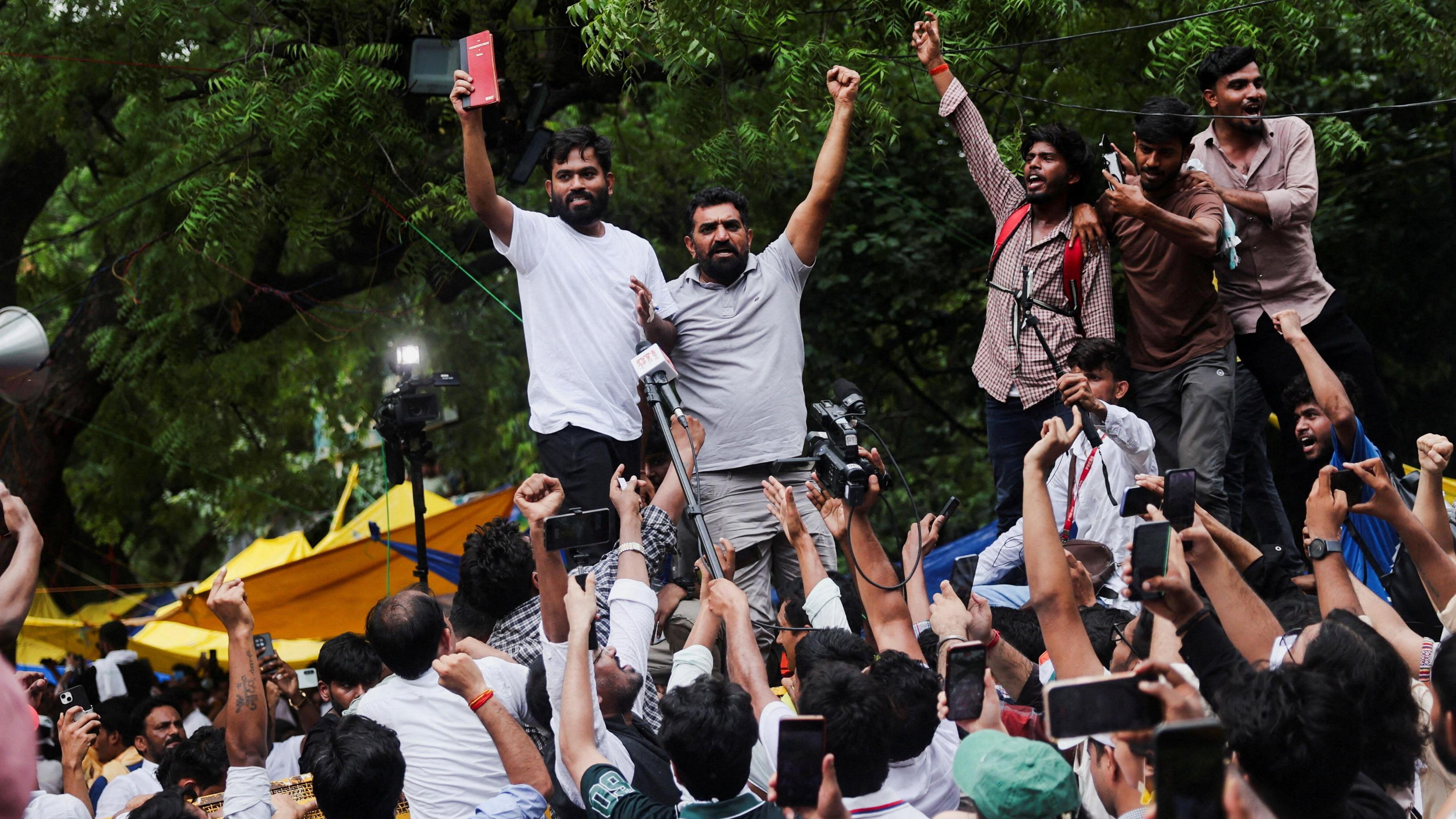
In the hours following Pradhan’s resignation announcement on X, a crowd gathered at Jantar Mantar erupted into jubilant celebration. Founder Abhijeet Dipke shouted from a makeshift stage, “We have done it,” as hundreds of supporters sang, danced, and handed out sweets. Police said they would step in only if law was broken, and the scene turned into a spontaneous party for several hours.
The move was seen as a milestone for a protest movement that had been largely symbolic before. While the CJP’s leadership announced that the fight was not finished—promising to continue pushing for accountability over exam leaks and in support of student families who suffered suicides—the resignation marked a pivotal shift in how the government deals with dissent.
The wider political community, including opposition leaders and prominent activists, welcomed Pradhan’s resignation, framing it as a win for a youth‑led movement and a check on the ruling party’s dominance. The government’s response to the protest underscored the fragile nature of political authority in the face of organised, organised, sustained public dissent.