
In brief
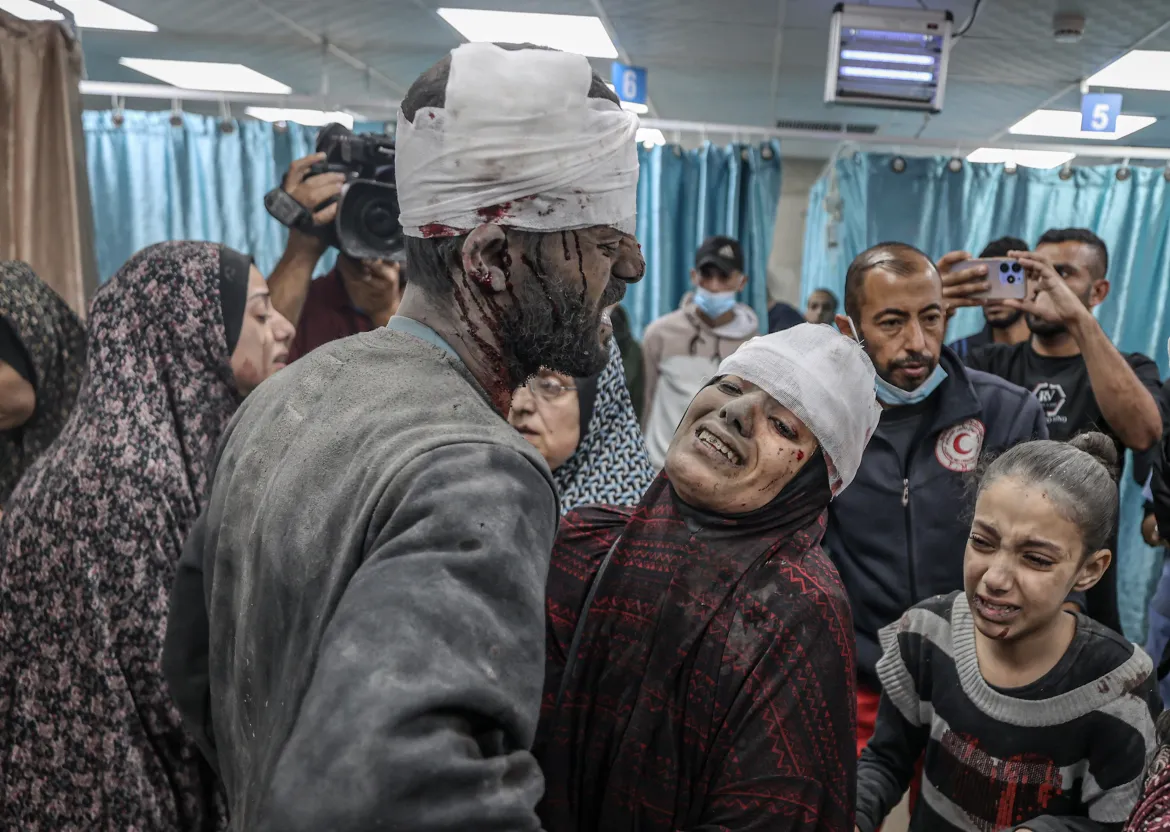
January 16 marks a critical moment for the New Economic Order (NEO), which aggregates risk, exposure, and institutional response against a backdrop of persistent harm, particularly in contexts like Gaza. This report dissects the dynamics of media narratives, reputational risk, and how unresolved issues become embedded in economic systems. The findings aim to illuminate the nuances of risk management and public accountability, urging a fresh dialogue on justice and systemic changes in governance.
JANUARY 16
9:00 AM · Antigua & Barbuda
00 DAYS 00 HOURS 00 MINUTES 00 SECONDS Eastern Caribbean Supreme Court — High Court of JusticeView Location on Google Maps
From Gaza to the Royal Family: How Persistent Harm Becomes Systemic Pricing
Countdown to the New Economic Order — January 16
From Gaza to Global Finance: How Persistent Harm Becomes Systemic Pricing
Publisher: Shockya NewsroomEdition: Analyst-Optimized · Public-Interest ReportDate: January 10, 2026
Analyst Summary
This report examines the intersection of humanitarian signaling, media incentives, reputational exposure, and institutional governance in the context of the UK Royal Family and the Israel–Gaza conflict.
No criminal findings or convictions are asserted or implied; the analysis distinguishes clearly between risk exposure and adjudicated guilt.
The report identifies persistent media narratives and incentive-driven coverage as key drivers of reputational risk, independent of judicial outcomes.
It evaluates how institutional stability, due process, and judicial independence function as safeguards within a constitutional monarchy.
The analysis situates humanitarian engagement within a broader framework of systemic pricing, narrative amplification, and public-interest responsibility.
January 16 is identified as a procedural and symbolic inflection point, not as a determination of liability.
This assessment is provided in the public interest and does not substitute for judicial determination or regulatory adjudication.
Institutions historically perceived as insulated — including monarchy and public authorities — now operate under continuous reputational and exposure-based pricing. Authority persists; immunity does not.
Across finance, media, institutions, and war zones, the pattern is consistent: when systems learn to function around unresolved harm, persistence becomes profitable and resolution becomes optional. Risk management must never become a substitute for justice.
This report is issued for public-interest risk literacy only. It does not constitute legal advice, allegation, or adjudicative finding.Shockya Public Service AnnouncementRisk literacy · Due process · Human impact