In brief
In the early hours of last month, Fida al‑Toutah—a 31‑year‑old mother of five—was shot dead in her tent in central Gaza. Her story highlights a troubling pattern: even after a ceasefire, Israeli forces continue to strike civilian areas almost daily. Over 1,400 Gazans have died since October 2023, according to Gaza’s health ministry. Families such as the al‑Toutays have moved seven times, still living under tented roofs as reconstruction and aid are hampered by political gridlock. Israel claims it targets Hamas operatives, but civilian casualties—including children—continue to mount, while Gaza’s future remains uncertain.
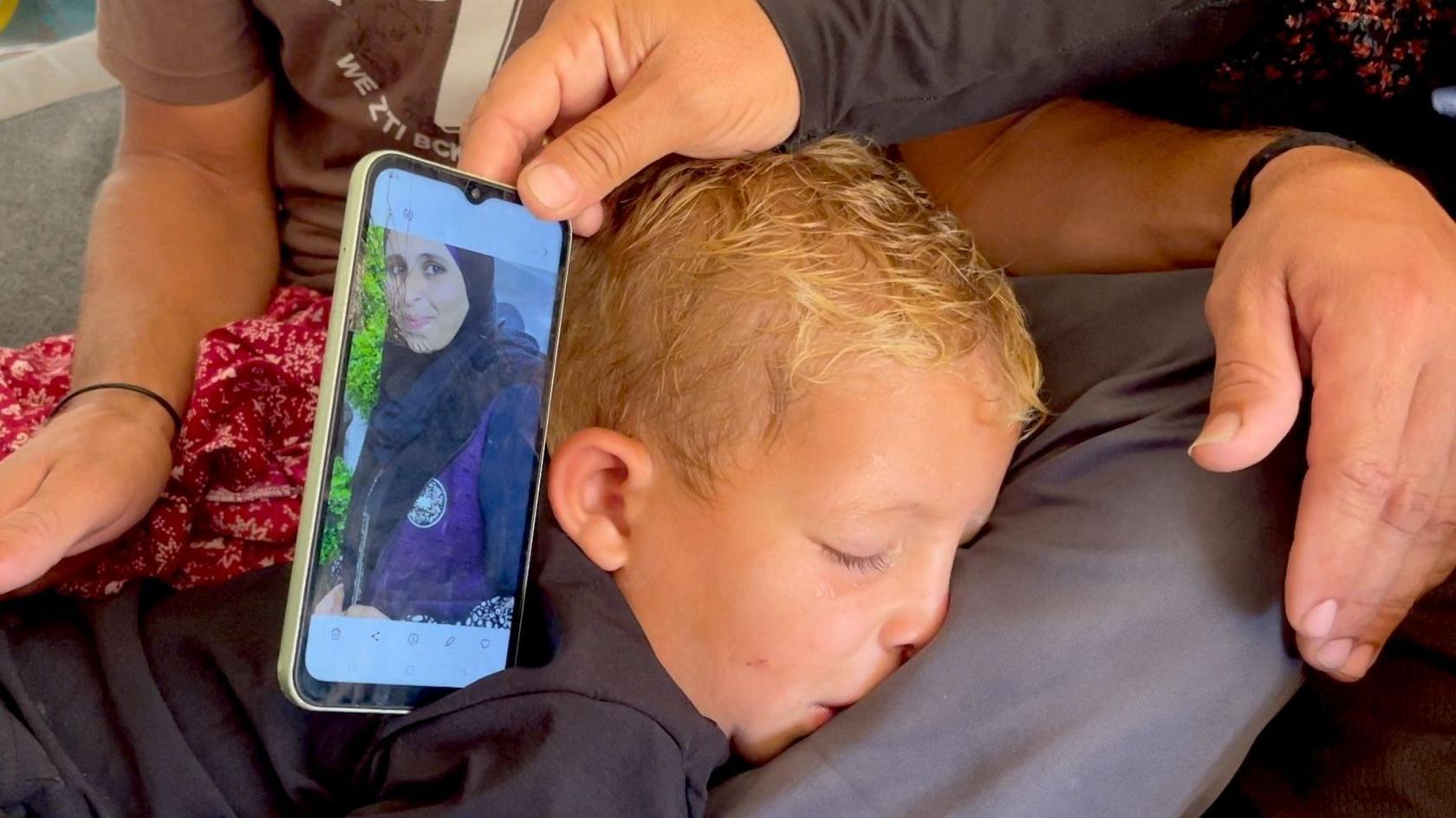
Jerusalem – In the early morning of September 20, 2023, 31‑year‑old Fida al‑Toutah was shot dead in her refugee tent while combing her daughter’s hair. The sudden sound of gunfire came as the family was absorbed in ordinary domestic chores. Her son, Ezz, later described hearing his mother shout to get down, yet Fida fell, and her body lay blood‑stained against the tattered canvas.
The al‑Toutah family, moved into tented camps after being forced to abandon their homes in Zeitoun, have now lost four of their siblings—Fida being just the latest victim—since the war began. They have relocated seven times, always finding refuge in an increasingly cramped Gaza Strip that now houses more than 2.1 million people in less than 40 percent of the land originally controlled by Hamas.
Since the ceasefire that entered into force on 10 October 2023, Israel’s large‑scale bombardment has officially slowed, and humanitarian aid has increased. Yet, on a daily basis, Israeli forces are still conducting air and ground strikes in Gaza, targeting what they proclaim to be Hamas operatives. As of the latest figures from the Palestine‑controlled health ministry, which the UN regards as reliable, more than 1,400 Gazans have been killed in these attacks.
In the weeks following the ceasefire, reports show that over 30 civilians were killed in the past week alone, while 14-year‑old Ismail al‑Bardawil was shot dead near the Al‑Mawasi cemetery in Rafah, where he was fishing close to the sea. He is counted among a growing number of children whose lives were cut short, per the health ministry’s latest die‑count.
The Israeli Defence Forces (IDF) claim they have no record of the incidents that killed Fida or Ismail, but eyewitnesses provide stark testimony. Ibrahim, Fida’s brother, described seeing holes in his tent’s cloth, the result of a volley of bullets that hit from a helicopter. He urged observers to remember that Gaza’s ‘yellow line’—the demarcation between Israeli‑controlled zones and Hamas‑controlled territory—is one of the most dangerous areas, with violence frequent and escape routes virtually non‑existent.
Meanwhile, days after the ceasefire, Israeli policy aims to tighten its grip on Gaza. In May, Prime Minister Benjamin Netanyahu proclaimed that Israel would expand its control to 70 percent of the strip. In the meantime, Gaza’s residents face a dire reconstruction crisis: the 2025 peace deal promised funds and a plan for rebuilding, yet work remains halted due to disputes over the deal’s second phase and Israeli restrictions on the entry of materials.
Amal Alabadla, once a well‑off architect with a home near Gaza’s coast, now lives in a leaking tent that gets flooded during winter rains. She has had to raise her two sons alone after her husband left the country before the conflict erupted, and she reports a lack of resources for rebuilding. Amal echoes the feeling of many Gazans: the apartheid‑style blockade and political stalemate have turned a promise of recovery into a lingering nightmare.
With more than 74,000 Palestinians killed since the conflict began and 1,400 dead since the ceasefire, the death toll continues to mount. On–the‑ground survivors recount stories of sudden shootings, firebombing, and siege living conditions that prove the ceasefire’s promises to be unfulfilled. As Gaza remains sieged and its people endure relentless hardship, the human toll mounts while international mediation stalls.
Additional reporting by Imogen Anderson and Malak Hassouneh.