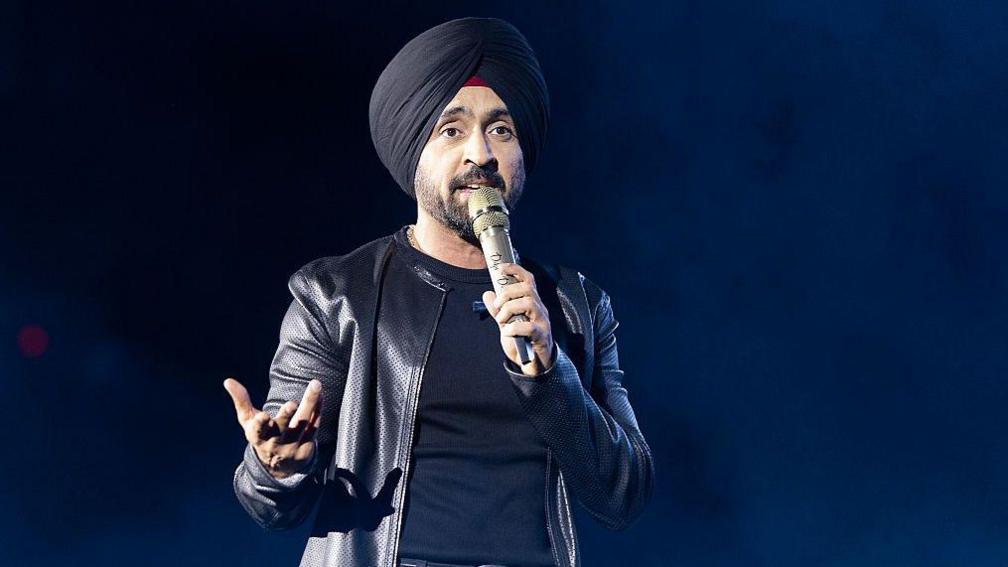
The abrupt removal of a release starring popular Indian singer‑actor Diljit Dosanjh has ignited controversy over censorship and political influence. The film, named “Satluj”, premiered on the streaming platform ZEE5 on Friday but vanished from the service a mere two days later.
Satluj is inspired by the real‑life work of human‑rights activist Jaswant Singh Khalra who investigated enforced disappearances and extrajudicial killings during Punjab’s insurgency in the late 20th century. Khalra’s investigation unearthed allegations of clandestine cremations, and his subsequent disappearance in 1995 led to a murder investigation that convicted several Punjab police officers.
The film had been completed in 2022, yet never reached Indian cinemas because of a prolonged dispute with the Central Board of Film Certification (CBFC). The board demanded a flood of changes, ultimately insisting on a title change, removal of references to Khalra and edits to scenes depicting police violence. According to director Honey Trehan, the CBFC’s request list grew from 21 to over 120 changes, a volume that would fundamentally alter the story.
Facing a potential boycott, the producers decided to drop the film from the Toronto International Film Festival lineup, despite the film's prolific production value. The film’s release was postponed until the legal fight with CBFC resolved, a stalemate that dragged on for almost three years.
In the end the producers opted for a direct streaming release under the title “Satluj” on ZEE5. The film was described as "uncompromised" and delivered in its original cut. The platform, however, announced that the film would be unavailable in India "until further notice" because of {}"current developments", a vague statement that left both audiences and distributors in limbo.
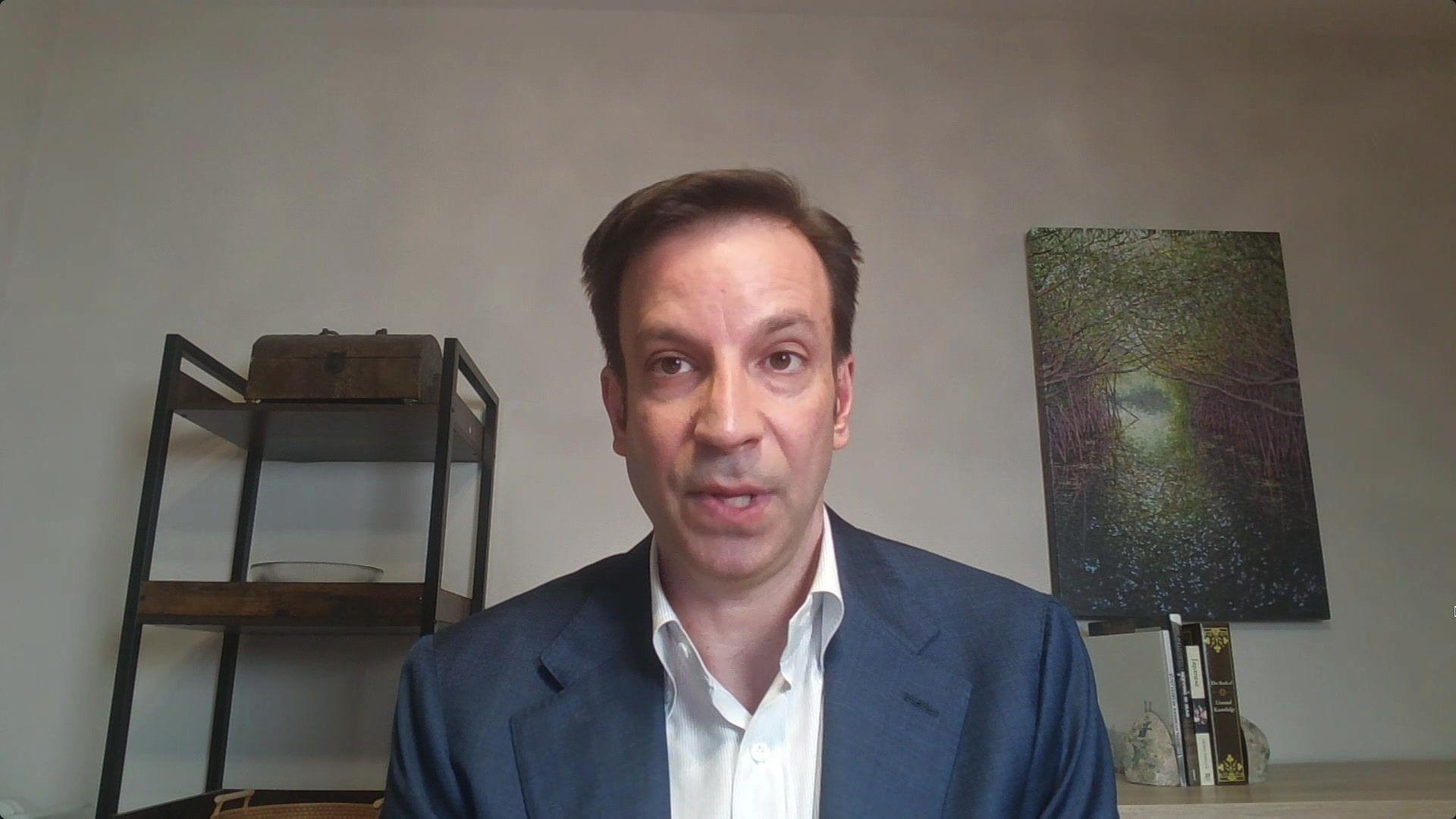
After the removal, Diljit Dosanjh addressed fans and critics in a live video, admitting that he had expected a ban but not the speed of it: “I thought the film might get banned when the government offices opened on Monday, but it happened as early as Sunday evening.” The actor also explained why promotional budgets were held back: “Uncertainty meant we could not risk promoting the film. If we had tried to. we might have been forced to cancel the release altogether.”
The film’s producer, e‑mail, reported that the removal was a result of direct government orders, an allegation that the Indian federal ministry has yet to confirm. ZEE5, meanwhile, pledged that it would retain its commitment to the film’s creative vision and hoped to bring it back, but did not set a timeline for reinstatement.
Critics note that while streaming platforms are not required by the Indian Cinematograph Act to obtain CBFC certification, they are still governed by the Information Technology Rules of 2021, which mandate age ratings and allow for takedown orders under broader “current affairs” or national security provisions.
The development raises questions about the autonomy of content creators, the influence of political bodies on artistic expression, and the lack of transparency surrounding government‑led censorship. As audiences and stakeholders wait for clarity, the fate of Satluj remains a stark reminder of how fragile creative freedom can be in the face of explicit or implicit state pressure.