E1 Project Turns Khan al Ahmar Into a Land in Limbo
The United Kingdom has tightened sanctions on what it calls illegal Israeli settlements in the occupied West Bank, prompting a flurry of counter‑measures from Israel. Those these include restrictions on UK organisations and citizens, as well as calls for the expulsion of British staff from Israeli settlements.
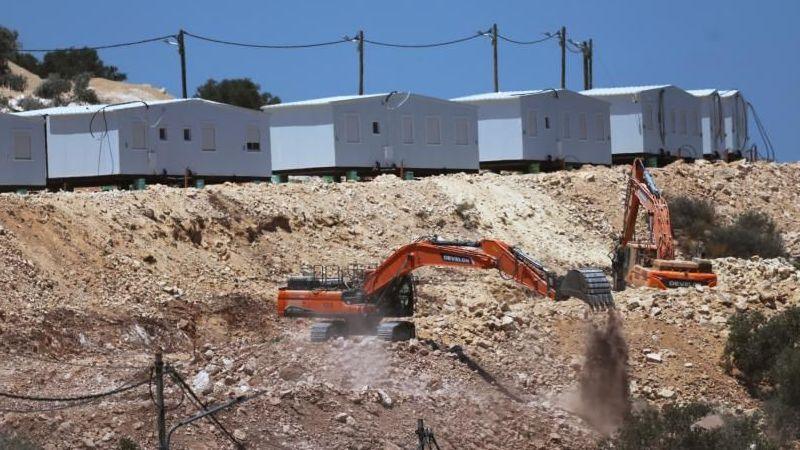
The punitive measures were triggered when Israel opened tenders for the construction of a new settlement cluster in the strategically sensitive E1 zone east of Jerusalem. This expansion—if approved—would effectively split the West Bank and isolate East Jerusalem from Palestinian authorities, a move that has attracted widespread international condemnation.
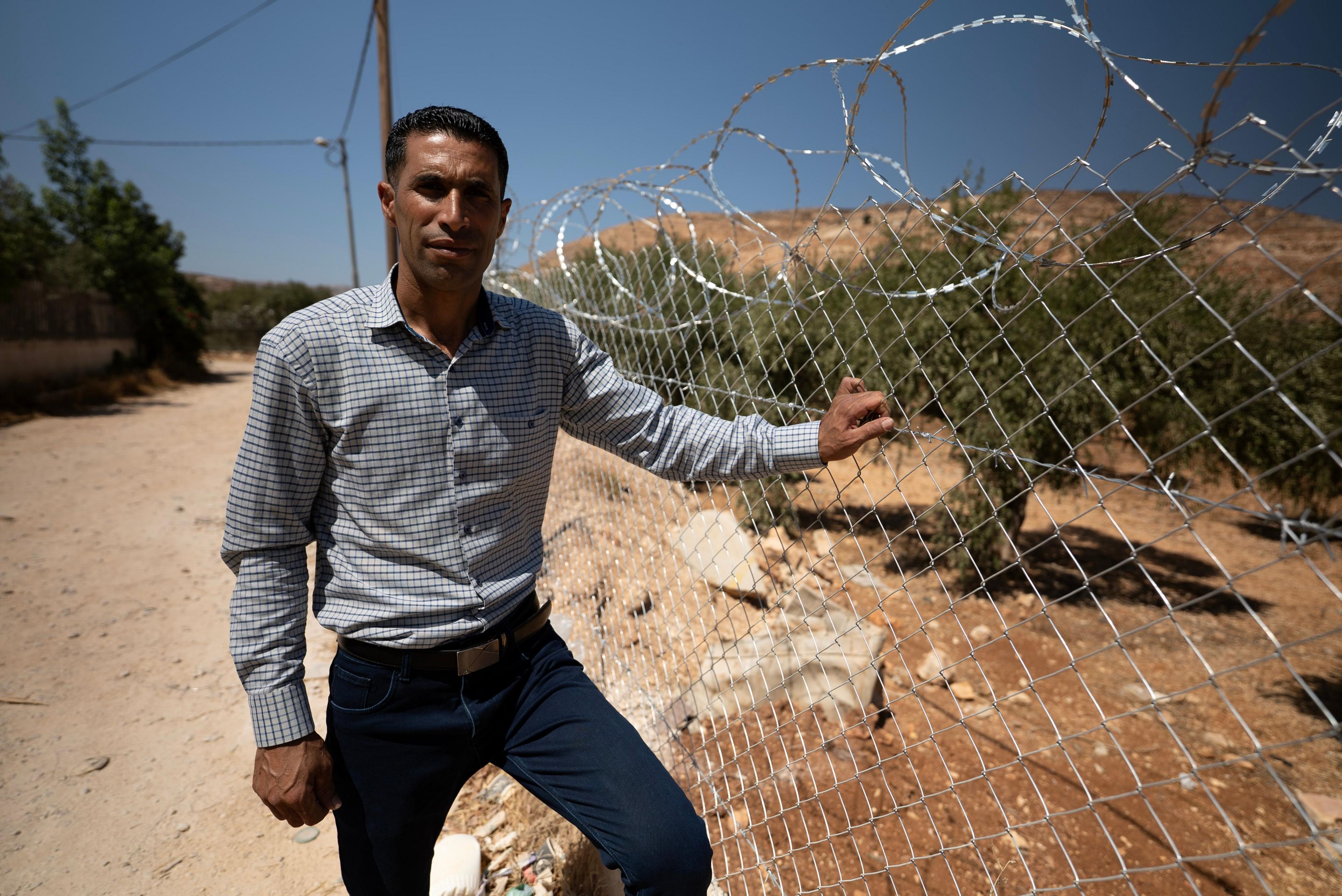
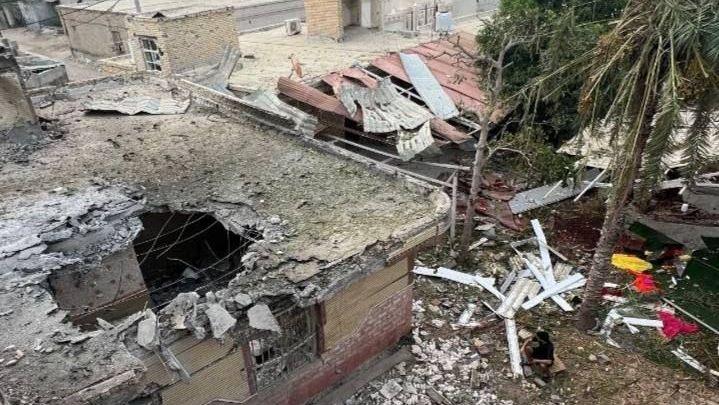
BBC Middle East Correspondent Lucy Williamson arrived on the ground to investigate the situation. She spent time in the Palestinian village of Khan al Ahmar, a community that already faces uncertainty about its future. An Arabic‑speaking baker, Abdul, told the BBC that he feared the village could be cleared or partitioned once the settlement is completed.
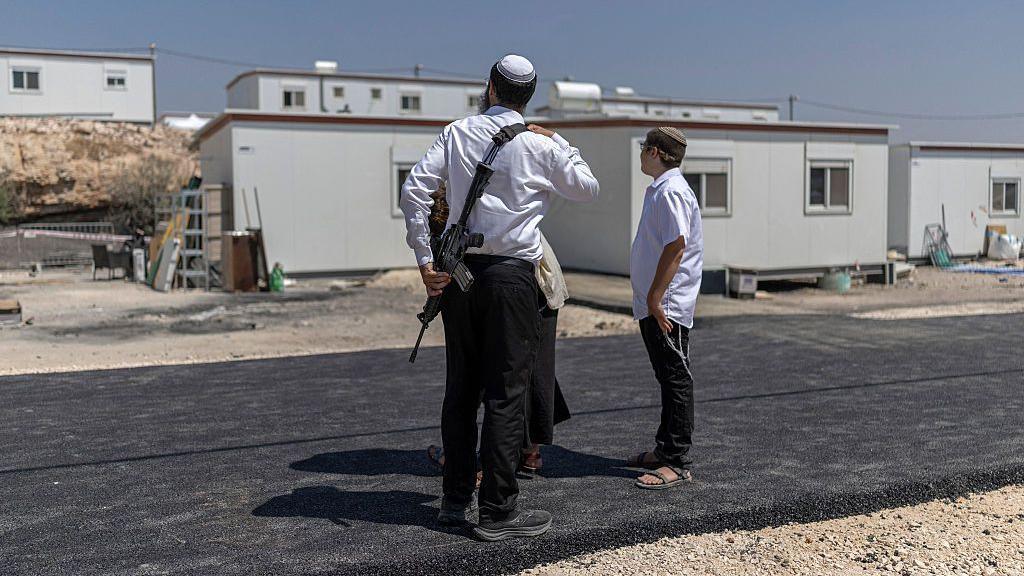
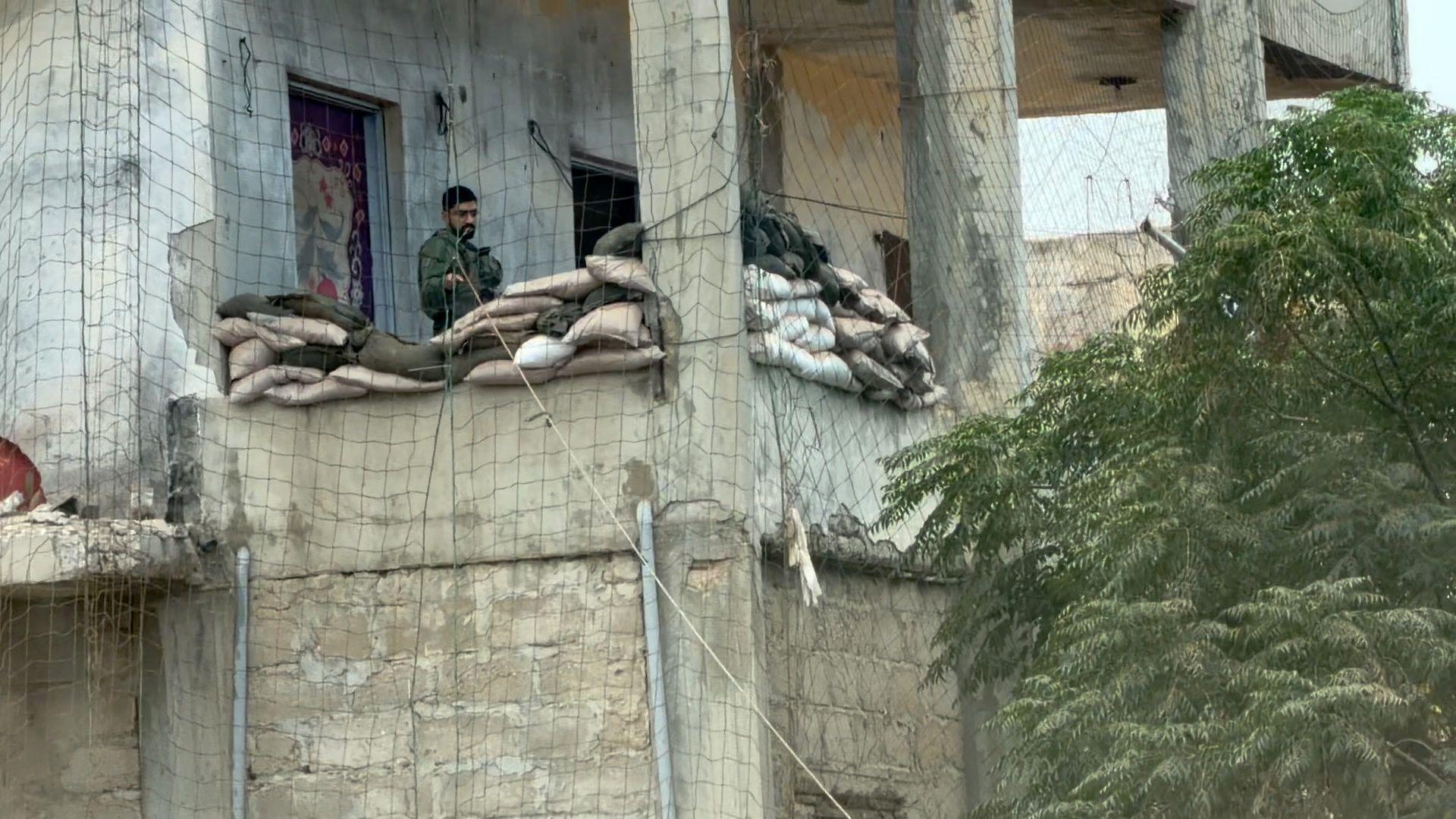
Williamson also visited the nearby Israeli settlement of Maale Admumim. Residents there reported a tightening of security and an influx of new settlers, underscoring the sharp division that the E1 expansion would create between Palestinian and Israeli communities.
The story follows the broader diplomatic spat: Israel’s claims of defense and “strategic necessity” have clashed with the UK’s stance that the settlements are an illegal occupation. The situation on the ground illustrates the human cost of a geopolitical conflict played out over access to land.
As the E1 project stirs controversy, communities like Khan al Ahmar find themselves in a land‑in‑limbo, caught between international law and local reality. Their stories shed light on the intricate realities that shape the ongoing West Bank dispute.