
In brief
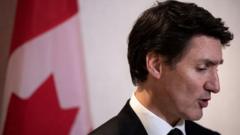
In a recent interview, Canadian Prime Minister Justin Trudeau addressed speculation over Canada's potential annexation into the United States, clearly declaring it "not going to happen."
On MSNBC's "Inside," Trudeau responded to renewed comments from President-Elect Donald Trump, who has suggested Canada might become a part of the US. Trudeau remarked, "I know as a successful negotiator he likes to keep people off balance. The 51st state, it's not going to happen." The former White House press secretary Jen Psaki hosted the discussion, during which Trudeau acknowledged the growing unpopularity he has faced ahead of the upcoming national election. He is set to step down in March as his Liberal Party prepares for a leadership transition.Trump has made headlines with provocative remarks about the potential benefits of a combined nation, suggesting that eliminating the border could strengthen national security. His pointed comments included referring to Trudeau jokingly as "Governor Trudeau," implying Canada’s assimilation into the US. In response, Trudeau dismissed the jabs, reiterating his focus on real issues rather than personal attacks. “If I was that thin-skinned, I probably wouldn’t last that long in politics,” he noted.Crucially, Trudeau pointed out that the underlying reason for Canada's independence is a unifying sentiment among Canadians who firmly identify as not being Americans. He elaborated, stating, "There isn’t a snowball's chance in hell" that Canada would merge with the US. The Prime Minister expressed greater concern regarding impending tariffs proposed by Trump, highlighting the potential economic fallout for both nations, particularly with a 25% tax on Canadian goods. "Canadians are incredibly proud of being Canadian," he stated, stressing the importance of discussions around trade over divisive proposals of annexation. On the other hand, Alberta Premier Danielle Smith recently met with Trump to talk about US-Canada energy partnerships, reflecting ongoing diplomatic engagements despite the political rhetoric.

