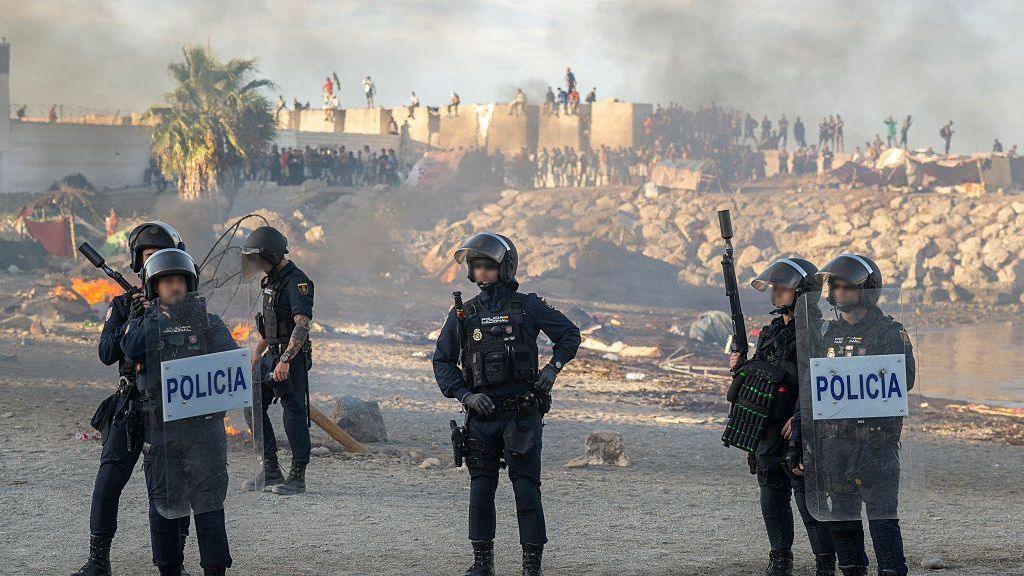
The European Union expressed praise for Spain’s “swift response” to an unprecedented surge of migrants at the Ceuta enclave after a meeting of the bloc’s interior ministers on Tuesday.
Between 30 and 31 July, Spain’s Interior Minister Fernando Grande‑Marlaska estimated that around 72,000 migrants crossed from Morocco into Ceuta, but he noted that an estimated 70,000 have already been returned to the mainland. The crisis left at least 75 people dead on the Spanish side, with 11 fatalities reported in Morocco.
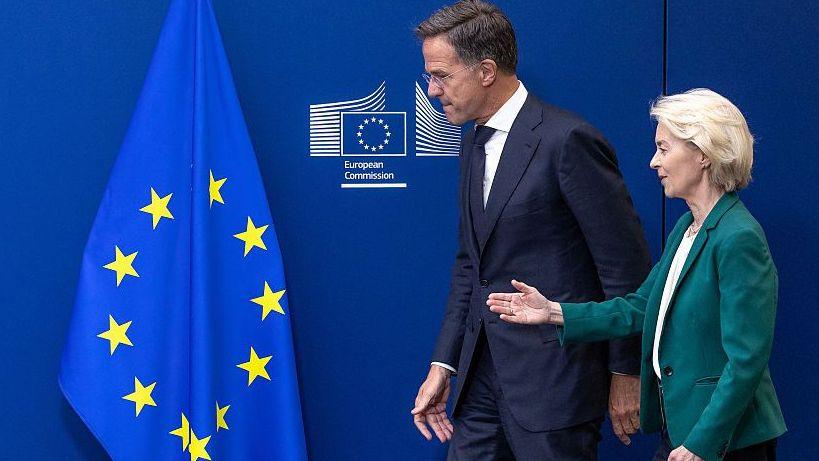
The meeting was convened following criticism from several EU members—most notably Italy, which described images of the border as “shocking” and temporarily suspended its Schengen free‑movement agreement with Spain. Irish Justice Minister Jim O’Callaghan, who chaired the session, underscored that the EU was “in solidarity with Spain” and that migration required a united European response.
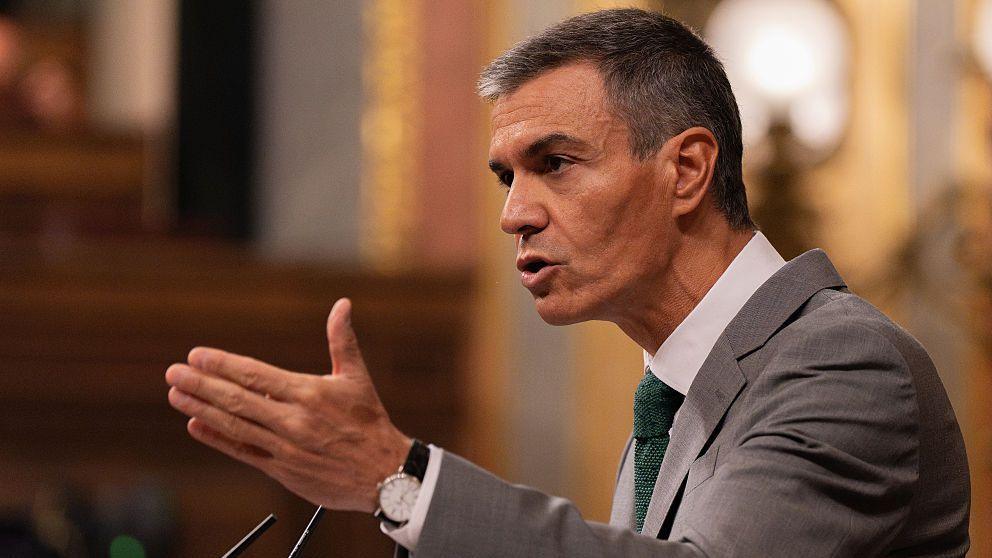
Italy’s suspension affects primarily aircraft traffic, as the two countries do not share a land border, but it raised alarms about the need for tighter border controls. Other EU states, including Finland, Denmark and Czech Republic, echoed Italy’s concerns and even suggested a temporary withdrawal of Spain from the Schengen zone, a move that Spanish Prime Minister Pedro Sánchez dismissed as politicised.
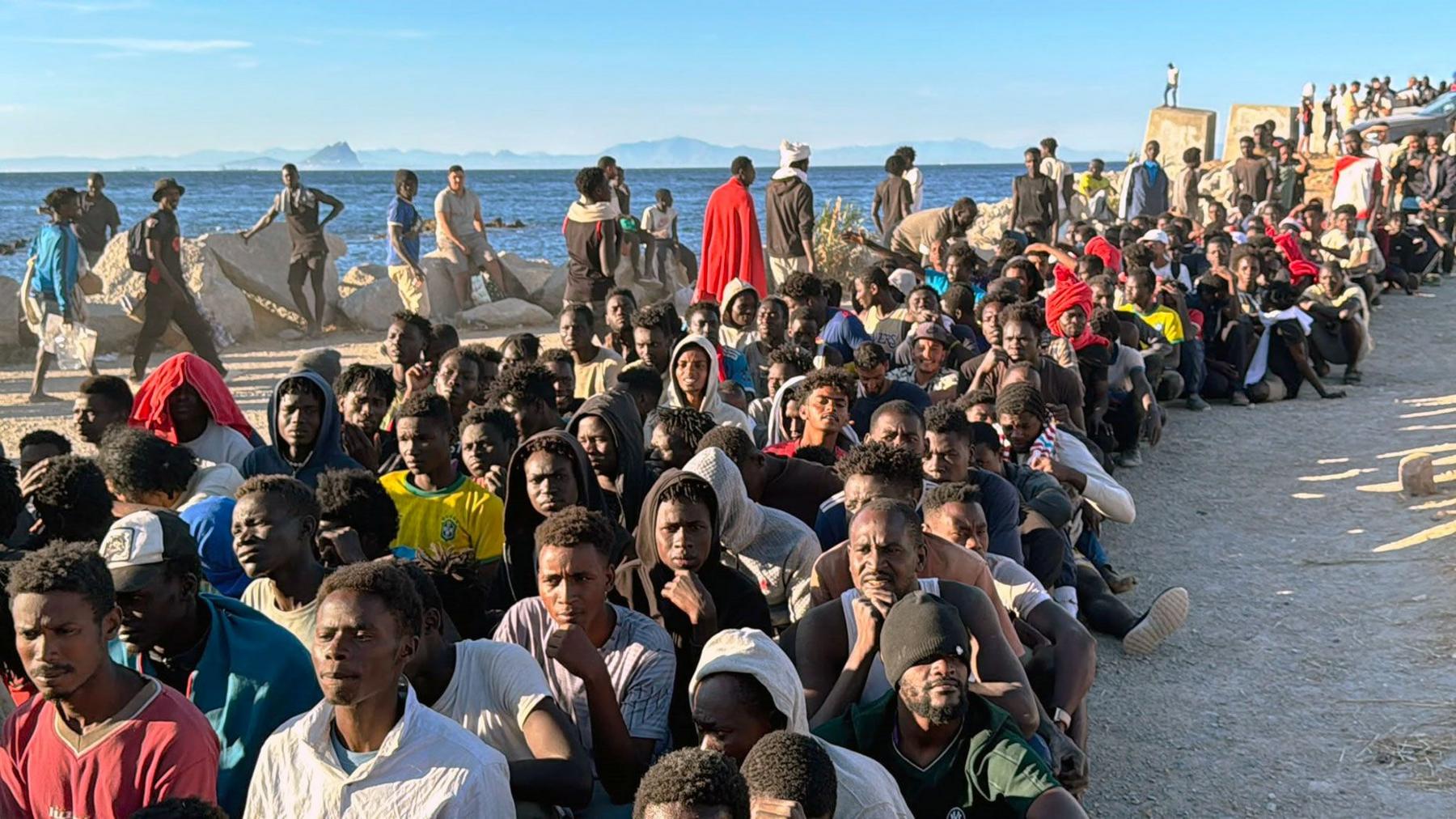
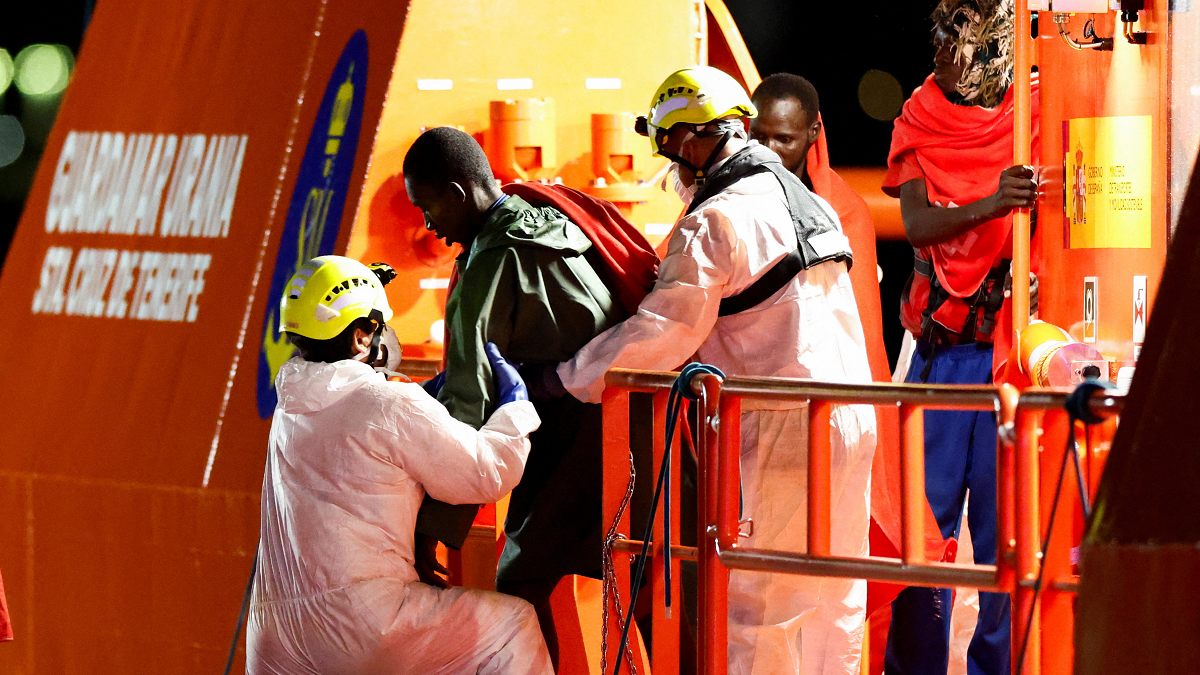
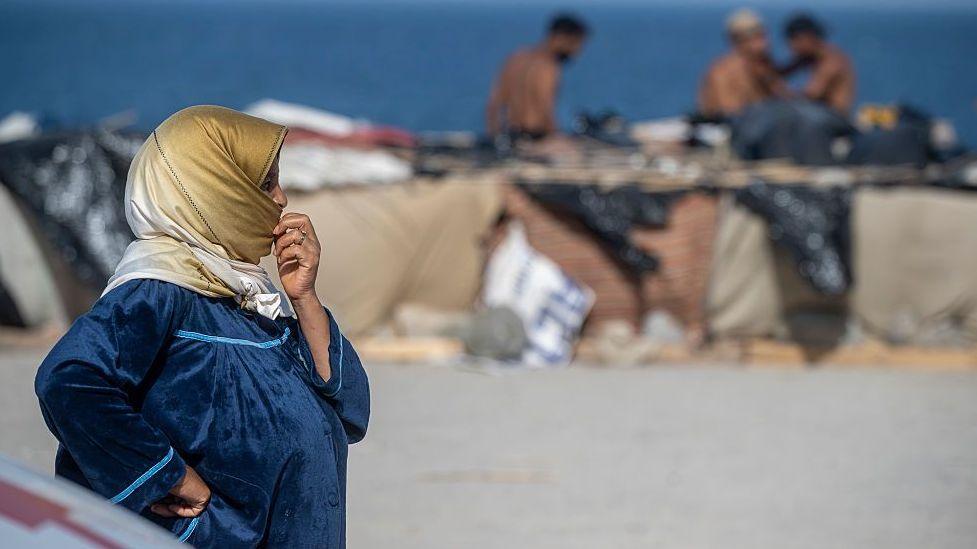
Spanish officials say they have worked “firmly” with Moroccan authorities to prevent further violations of Spain’s borders, and any migrants still present in Ceuta will be returned as quickly as possible. Meanwhile, assistance for the remainder has included food, water, and temporary shelter, with many migrants sleeping on the beach and in city streets while awaiting support.
A 23‑year‑old from Casablanca, Ayoub, described his decision to swim across to Ceuta after seeing the crisis unfold on social media. He told BBC News that he “did not risk his life for nothing”—he sought a better life in Europe. The Spanish government allocated about €25 million to support minors in the enclave, highlighting a focus on protecting unaccompanied children such as the 800 reported in local facilities.
EU Commissioner Magnus Brunner characterized the incident as a “test” of European resilience and border security, stating that the EU had successfully passed the test. He also confirmed that the bloc had offered emergency financial assistance to strengthen Spain’s border controls.
The crisis illustrates a broader dilemma: while the Schengen Agreement stresses free movement across 28 countries, the sudden cross‑border influx in Ceuta revealed vulnerabilities in emergency response coordination and raised questions about long‑term policy for managing uncontrolled migration flows.