
In brief
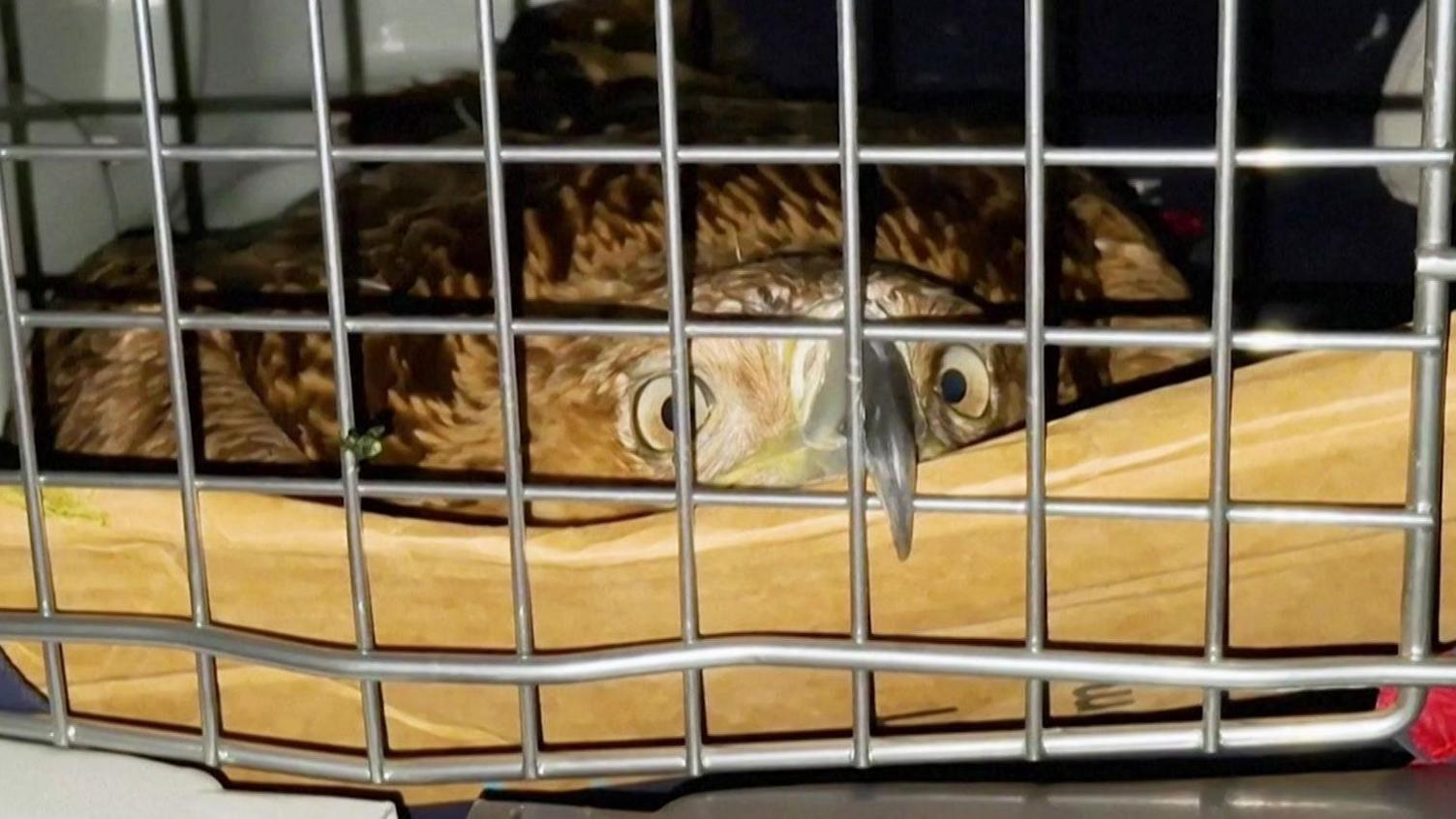
Feliks, a rare eastern imperial eagle, was captured in Syria and sold to poachers who demanded a ransom. Serbian conservationists, with support from Lebanese wildlife specialists, negotiated the bird’s release, after months of rehabilitation at a Beirut centre. A Serbian military plane returned Feliks to a zoo in Belgrade, where he recovered and was finally released on an open field in late July. The rescue highlights the rising threat of wildlife trafficking and the success of international cooperation to protect endangered species.
A critically endangered eastern imperial eagle was rescued from animal traffickers, rehabilitated in Lebanon, and safely released back into its native habitat in Serbia after months of captivity.
Feliks, the young raptor whose name means “king” in Serbian, slipped from a nest in 2025 and was seized by poachers in Syria. The captors demanded a ransom that Serbia’s conservationists rejected, arguing that any payment would fuel the illegal wildlife trade.
Negotiations stretched dozens of days, but the stake‑holders eventually agreed on a plan to send the eagle to a wildlife centre in Beirut, where veterinarians monitored his health for over six months.
In early June, Serbian peacekeepers escorted Feliks to the Palic Zoo in Belgrade on a military transport plane. The planes’ wings brushed the clouds as the bird’s wings spread wide for the first time since his capture.
After careful rehabilitation in a large enclosure, the eagle’s weight and flight ability were assessed daily. On the 13th of July, zoo staff opened a gate and watched Feliks fly toward the open grasslands of the zoo grounds, his wings slicing the summer sky.
Conservationists plan to monitor the bird for several weeks to ensure that he establishes a territory and begins breeding, a key goal for a species whose population in Serbia grew from a single pair in 2017 to 29 pairs today.
Experts stress the importance of this success in the fight against wildlife trafficking, urging stricter law enforcement and international collaboration to protect endangered birds.
