In brief
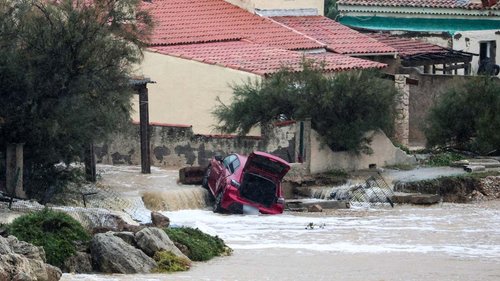
The recent catastrophic flooding in northeastern Nigeria, specifically in Maiduguri, has drawn attention to long-standing failures by government officials to address crucial infrastructure safety. After years of warnings from local residents and experts regarding the Alau dam's dilapidated state, a series of heavy rains in September led to the dam's collapse.
Despite prior indications that the brimming reservoir was at risk, government figures downplayed the concerns just days before the disaster, asserting that the dam was safe. However, when the dam ultimately gave way, the resulting flood submerged two-thirds of Maiduguri, claiming up to 1,000 lives and displacing nearly half a million people.In the aftermath, officials deflected blame, attributing the tragedy to acts of God, climate change, and the socio-economic conditions of those living in areas prone to flooding. Nevertheless, the reality showcases a failure to act on clear warnings about the dam's integrity, including reports from engineers who dedicated years to analyzing its structural vulnerabilities.This disaster raises pressing questions about accountability and governance in Nigeria as communities grapple with the aftermath of a catastrophe that has purportedly cost more lives than violent conflicts such as Boko Haram attacks. This situation underscores the urgent need for reform in disaster preparedness and infrastructure maintenance to prevent further tragedies.