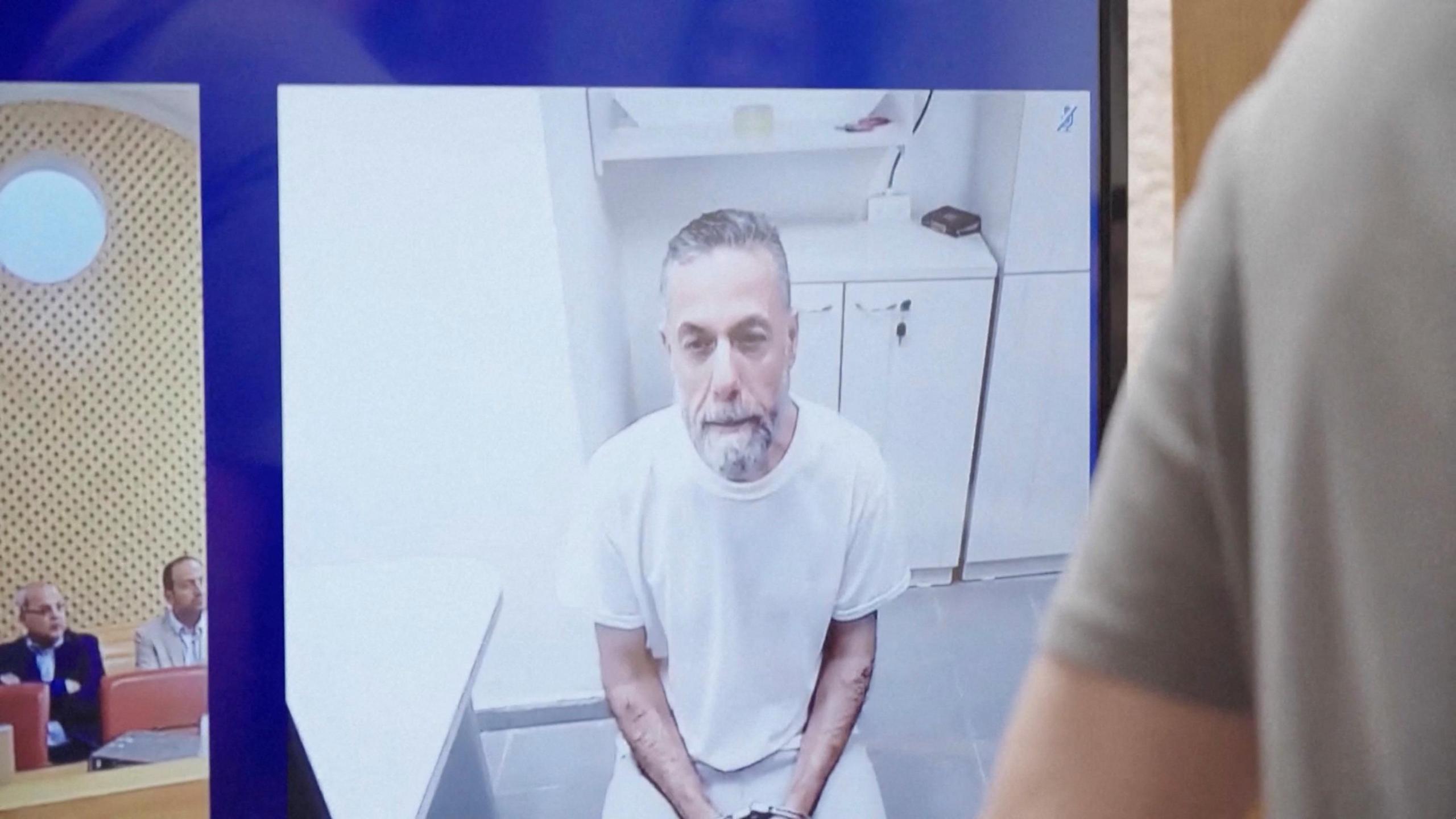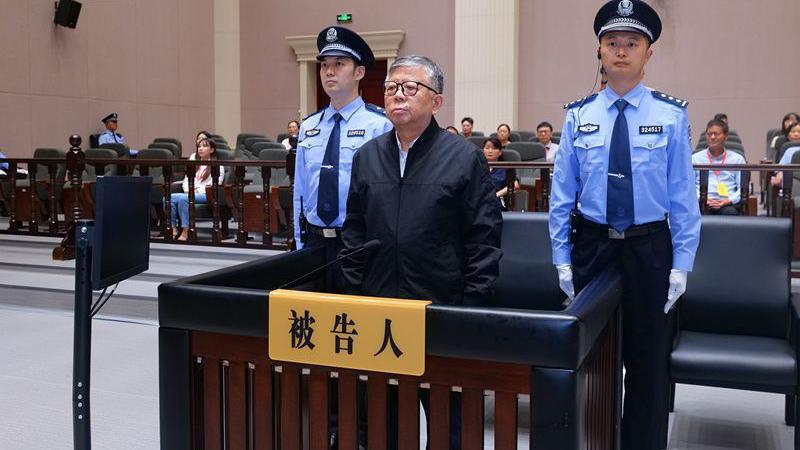
Egyptian TV host Sarah Khalifa and eleven co‑accused received death sentences in a case alleging drug‑trading conspiracies.
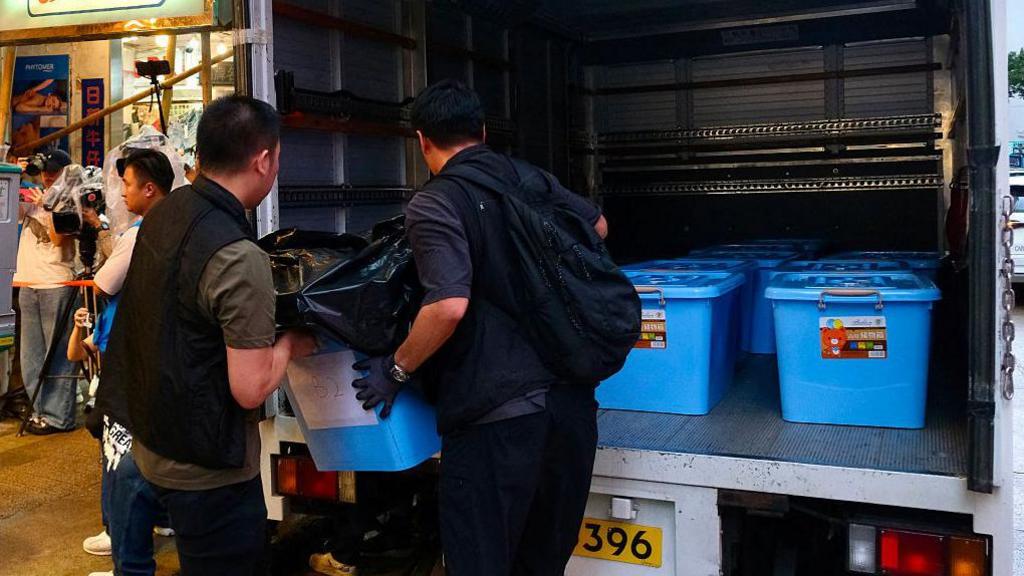
The convictions stemmed from evidence that the group had imported raw materials used to forge illegal drugs, with intentions to sell them. Authorities seized more than 750 kilograms (1,653 pounds) of narcotics and related precursor chemicals during the investigation.
Khalifa, 39, is best known for her crime‑focused television programme "Mission Impossible." She denied any involvement in the drug operations, claiming that she never witnessed narcotics until she was photographed in the presence of them at anti‑narcotics office premises.
While nine defendants were sentenced to life imprisonment and seven were acquitted, the death penalty has been imposed on the remaining twelve. Khalifa’s counsel intends to appeal the ruling, citing procedural concerns and claims of violation of international legal standards that reserve capital punishment for intentional killings.
According to a 2025 Amnesty International report, Egypt applied 492 death sentences in that year, 23 of which were carried out. The report stressed that the accused were charged with drug trafficking and rape—crimes that fall short of "intentional killing," a key restriction under international law for the use of the death penalty.
The ruling underscores Egypt’s draconian stance on narcotic offences and raises significant human‑rights questions, drawing criticism from global watchdogs concerned with judicial fairness and the proportionality of punishment. The case has entered an appeals phase that may bring further scrutiny to the application of the death penalty in the country.