The United Arab Emirates' (UAE) biggest port and oil storage facility, Fujairah, and Dubai's international airport have come under further drone attacks as Iran continues to target Gulf transport and oil infrastructure.
Flights were temporarily suspended on Monday after a fire broke out near the airport following a drone-related incident.
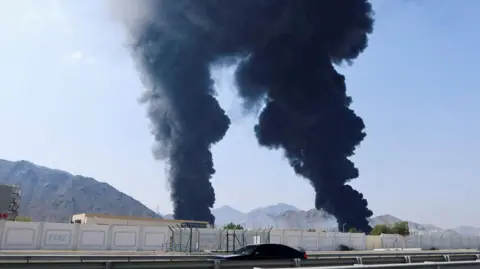
A fire also raged after a drone attack on the strategically important port and industrial zone at Fujairah, one of the largest oil storage facilities in the region.
Additionally, a rocket attack on a car killed a Palestinian national on the outskirts of the UAE capital, Abu Dhabi, as reported by the city's Media Office.
The attack occurred in the Al Bahia area.
The UAE's air defense systems intercepted six ballistic missiles and 21 drones on Monday, according to the Defense Ministry. Iran has launched over 1,900 missiles and drones at the UAE since the conflict between the US, Israel, and Iran escalated.
Monday's drone strike was the third incident since the war began near Dubai's airport, renowned as the world's busiest for international passengers.
As a result of these attacks, some flights were delayed, while others were canceled, jeopardizing the UAE's reputation for safety and stability.
The energy sector has been notably affected, as attacks on both an oil storage tanker and oil facilities at Fujairah caused significant fires.
Oil loading activities at the port were briefly halted for damage assessments.
Despite these attacks, analysts are confident about the UAE's resilience, reporting that the business sector, particularly Dubai's famed restaurants and malls, shows ongoing activity amidst rising tensions.
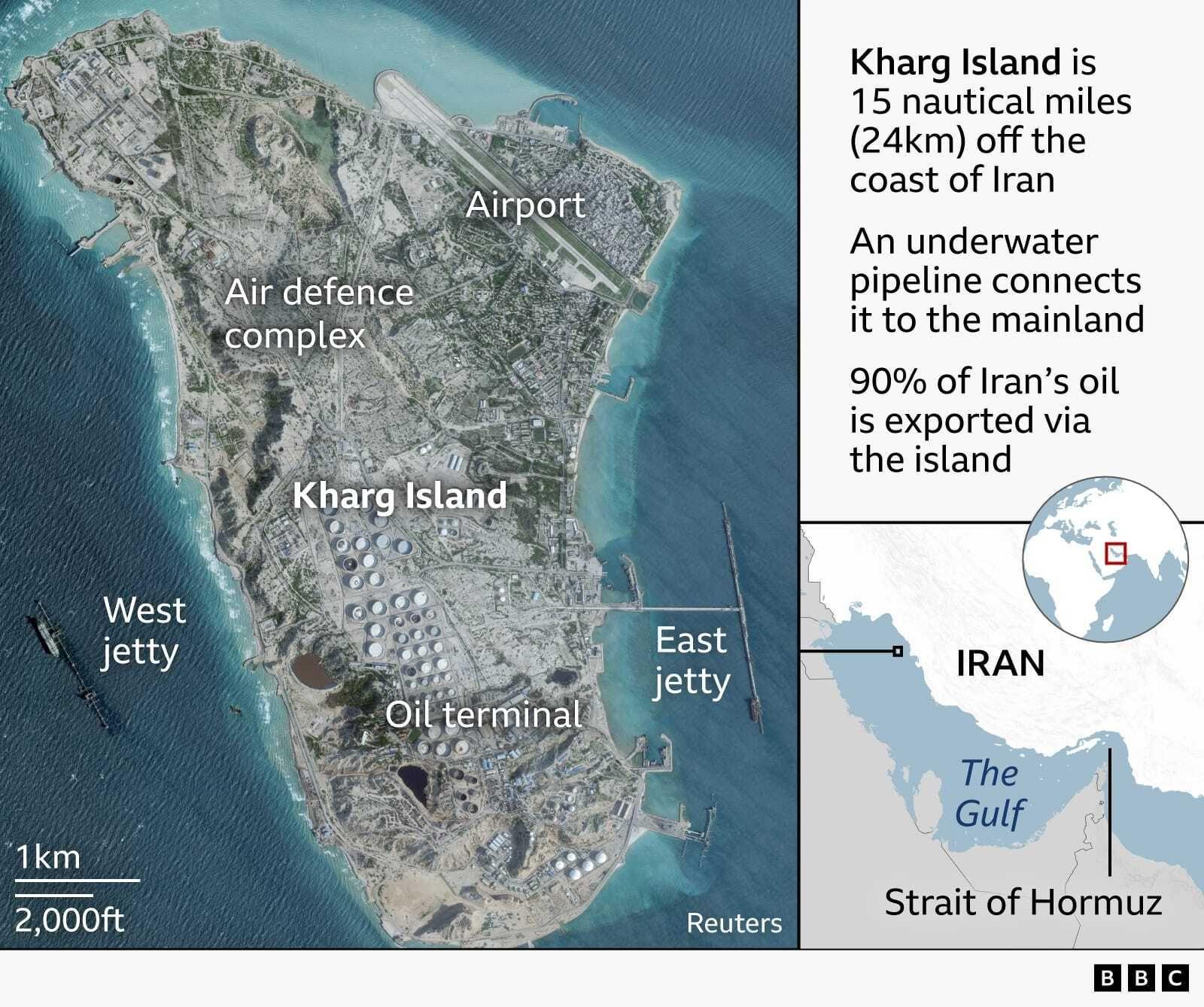
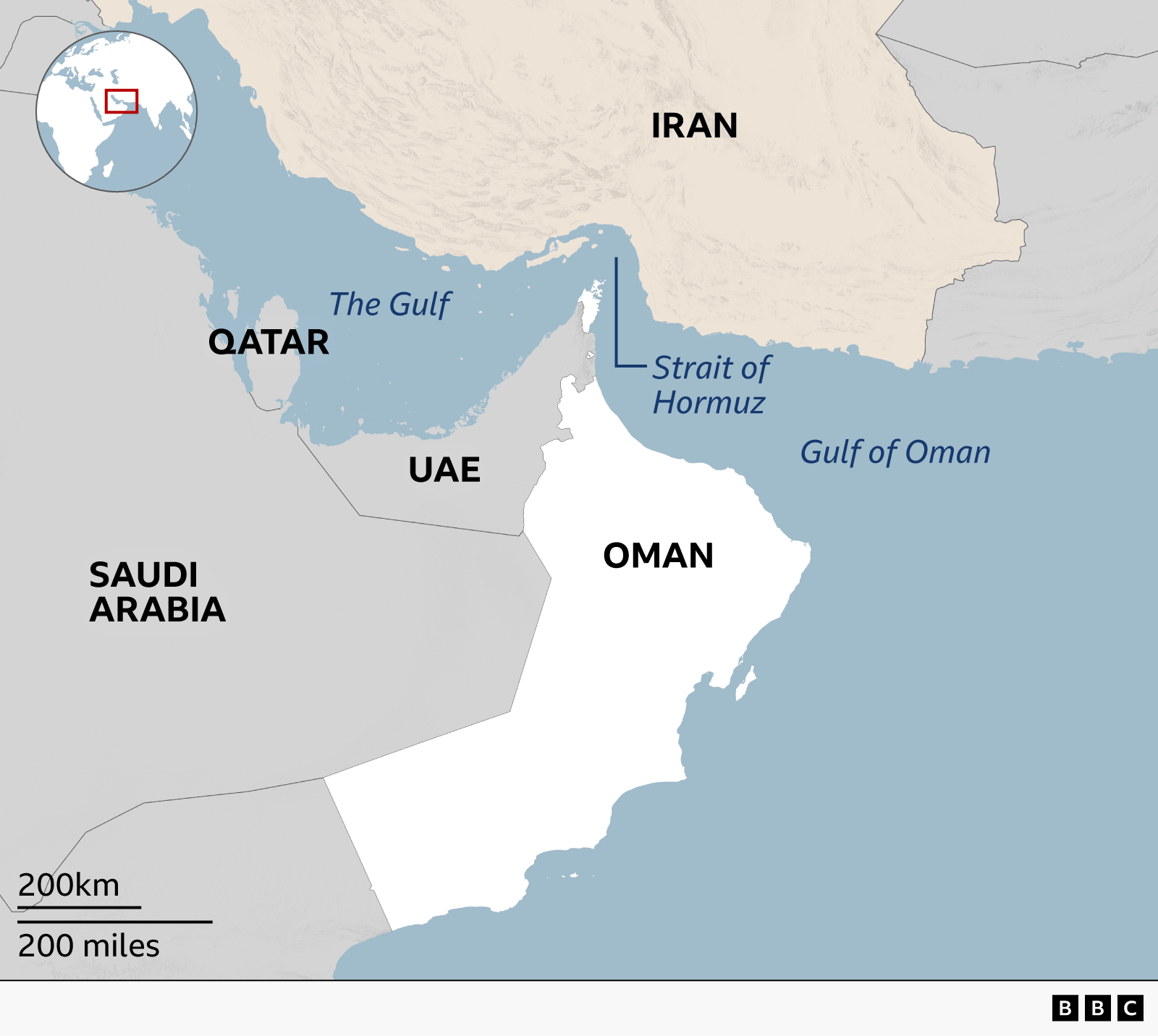
According to Dubai-based oil analyst, Matt Stanley, Fujairah serves as a critical bypass for oil exports, facilitating the flow of energy despite threats to the Strait of Hormuz. The importance of this port city highlights the vulnerability of Gulf infrastructure amid ongoing hostilities with Iran.
As the UAE strives to maintain stability, officials remain optimistic about recovery efforts and business continuity in the face of repeated attacks.