
Estonia Holds Russia Accountable for Milrem Robotics Arson Attack
On the night of 14‑15 August, a fire destroyed part of the Milrem Robotics plant in Tallinn. Estonian authorities say the blaze was deliberately set and that Russia’s special services ordered the attack.
Prime Minister Kristen Michal confirmed the claim, noting that the sabotage was not accidental and that it was carried out by agents working under Russian direction. He said the evidence assembled by the country’s internal security service points to “a clear state‑initiated operation.”
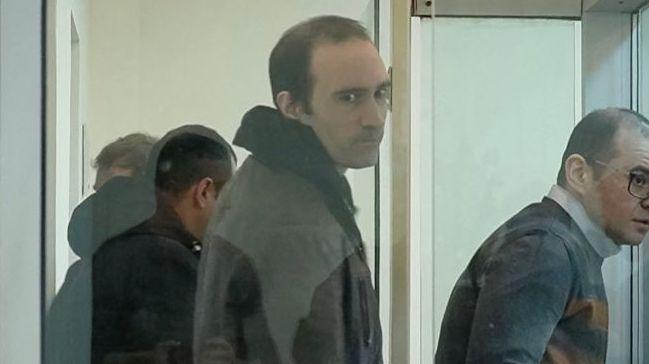
Foreign Minister Margus Tsahkna added that the suspects involved had been arrested in Latvia and that they were Latvian nationals who had been living in Russia and recruited for sabotage missions. He described the incident as part of a broader Russian campaign across Europe aimed at discouraging allies from supporting Ukraine.
The Ministry of Internal Affairs estimates that this was the first successful Russian‑backed sabotage in Estonia this year. Three suspects were extradited from Latvia earlier this month in response to the investigation.
European leaders reacted strongly. French President Emmanuel Macron called the series of attacks “a dangerous escalation” that shows Russia is “failing on the battlefield” and will not deter European unity. Correspondingly, an EU spokesperson reiterated that the European Union will not halt its aid to Ukraine despite the arson.
NATO chief Mark Rutte urged members to remain calm and to keep supporting Ukraine. He warned that “Russia continues to use hostile actions against NATO allies in a calculated campaign of sabotage and misinformation,” but that such efforts are failing to undermine European resolve.
Only a handful of cases in August have been linked to Russian involvement: the Leipzig airport incident in Germany, a major fire at a by‑product of the defence firm in Bulgaria, an explosion at a munitions plant outside Rome, and several fired incidents in Poland and Slovakia. All are pending further investigation.
Russian officials have repeatedly denied any role. Spokesman Dmitry Peskov dismissed the accusations as “baseless” and said they “have no relation to reality.”