In brief
At the Shrine of the Sacred Heart in Washington, D.C., an immigrant congregation is living in fear of detention amid escalating immigration enforcement. With over 40 members affected by recent ICE actions, attendance at Mass has plummeted, leaving the church community feeling vulnerable yet determined to support each other through these trying times. Leaders like Cardinal Robert McElroy and Rev. Emilio Biosca emphasize the need for solidarity and action amidst the rising tide of fear and uncertainty.
In Washington, D.C., the Shrine of the Sacred Heart, a Catholic church close to the White House, was intended as a sanctuary for worshippers, yet it has now become a place of fear for its predominantly immigrant congregation.
Since the federal government's intensified immigration enforcement began in August, church leaders have reported that more than 40 of their members have been detained or deported. Many parishioners now avoid leaving their homes for fear of being apprehended, significantly impacting attendance at Mass and community activities.
Cardinal Robert McElroy, archbishop of Washington, described the situation as an use of fear tactics that deprive immigrants of stability and safety, calling it an instrument of terror as community members grapple with the stress of being targeted.
The immigration crackdown persists even after a federal law enforcement surge that officially ended on September 10; immigration agents continue to patrol the area surrounding Sacred Heart, which is located in a vibrant Latino neighborhood rich with immigrant history.
Established over a century ago primarily for Irish, Italian, and German immigrants, Today's congregation is predominantly made up of individuals from El Salvador, as well as Haiti, Brazil, and Vietnam. The church is a cornerstone for support and spiritual guidance for the Latino community, which includes many families facing the threat of separation due to deportation.
The anxiety has altered the church's atmosphere markedly, as Rev. Emilio Biosca, the church pastor, noted that nearly half of the congregation is afraid to attend services. Families are grieving the loss of their loved ones to detention, while attendance at services has plummeted, evident in the empty pews beneath the ornate mosaics of the historic church.
Despite these challenges, the Sacred Heart community has rallied together, providing assistance to those affected by the crackdowns. Pastors and volunteers are attending immigration court hearings and helping cover costs for rent and legal services. Our role here has changed dramatically, said Biosca. We cannot possibly go on as business as usual.
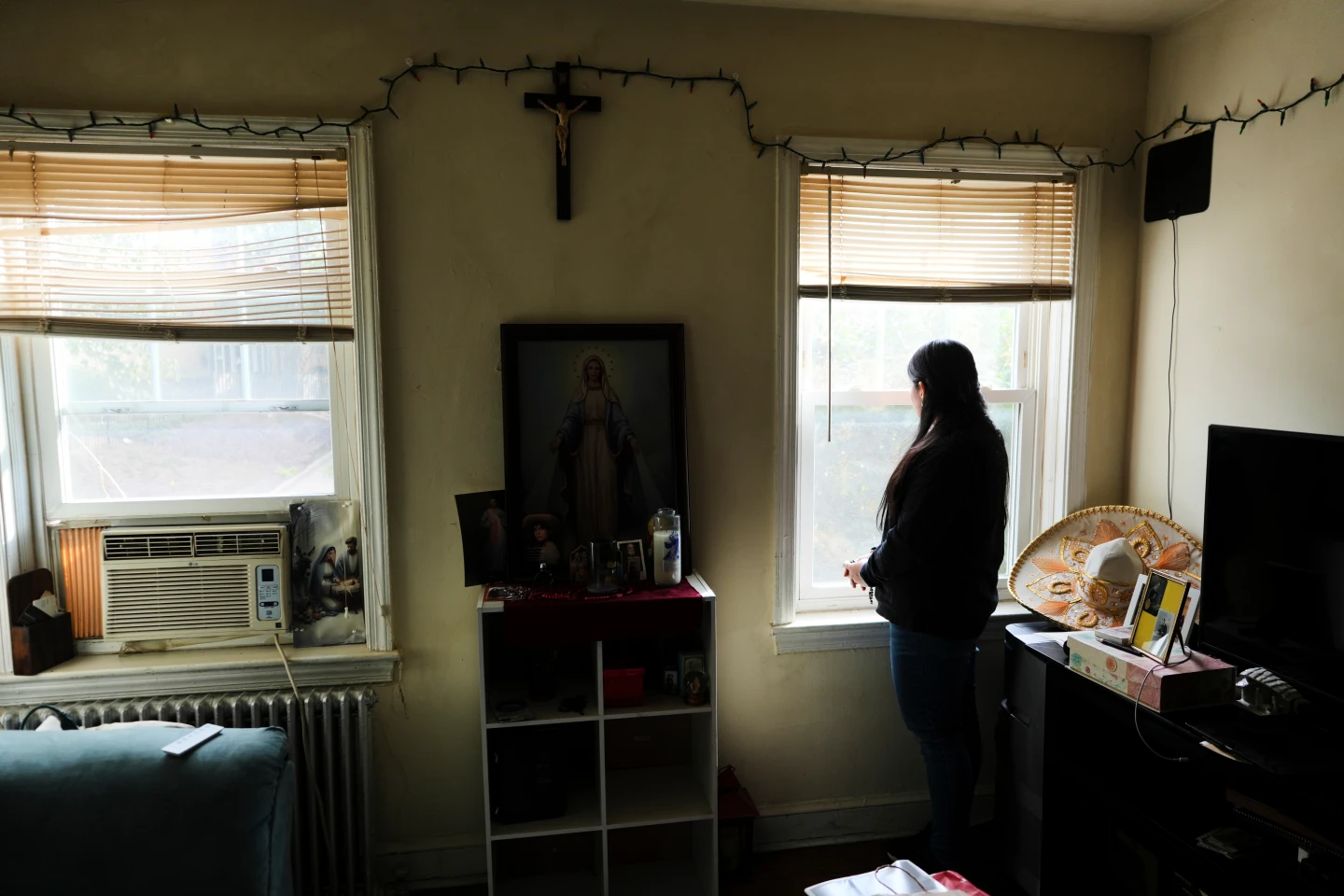
This spirit of unity extends to prayers and support systems established for those unable to attend church gatherings. A recent prayer meeting by parishioners dedicated rosaries for detainees, and many are utilizing virtual platforms to maintain spiritual connections while remaining safely within their homes.
The impact of immigration policies on families is profound; Rev. Carlos Reyes, who serves at Sacred Heart, shared the story of a young woman who had to confront ICE at her hearing. Thanks to support from the church, her faith and hope remain resilient.
In response to the dire realities faced by the congregation, church leaders have emphasized the need for advocacy and support, stating that through solidarity, they will persist in their mission to uphold the dignity of all community members impacted by these harsh immigration policies.